
I adore river cruising. I constantly recommend river cruises to viewers and followers.
But river cruising is facing an industry-changing crisis. And I think it’s time to face it head-on with new solutions that will benefit everyone.
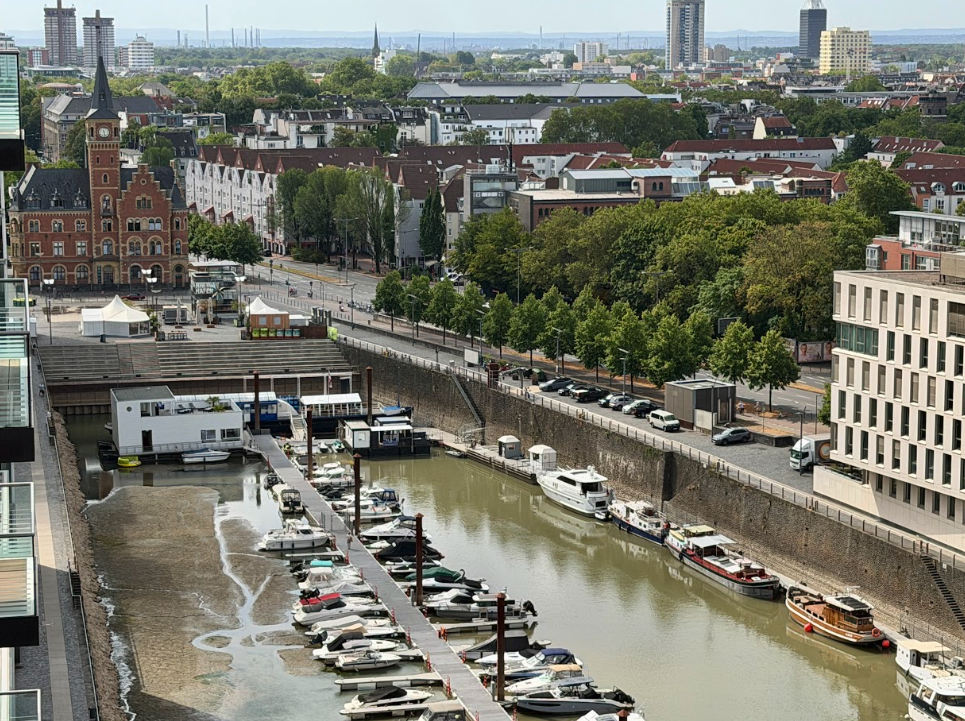
Low water levels on Europe’s major rivers – including the Rhine and the Danube – are making headlines around the world.
I was at (not on!) the Rhine last week (early August, 2026), and I was shocked at the water levels, as you can see in the VIDEO ABOVE.
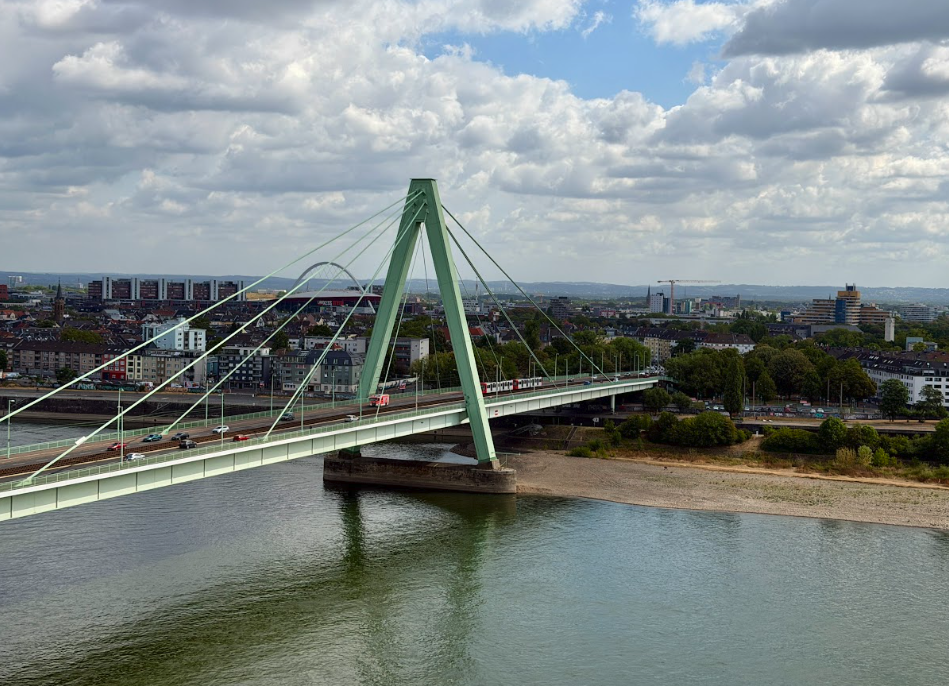
What happens when the waters are too low for the ship to travel its planned route?
The river cruise lines’ teams go into overdrive, performing miracles of last-minute logistics to deploy tactics like:
Which all come at a cost: making those changes at the last minute and/or providing refunds and credits.
And then there are the soft costs - possibly more expensive over time.
I’ve been on some of these river cruises – and if you go on any of the many social media groups devoted to river cruising - you’ll see two guest responses:
Group 2 is getting bigger and louder.
And they’re also asking: ‘Didn’t the cruise lines see this coming?’
This is the worst year – but far from the first year - of desperately low water. In fact, at least for the past five years in a row, low water has interrupted river cruising in the height of the summer.
I believe we’ve come to the point where the inability of river cruise lines to operate consistently for a (growing) number of weeks every summer season has become a ‘known risk factor.’
That requires a new solution.
If you’ll excuse the river navigational pun, we’re at a confluence of the interests of three key parties:
Where these interests meet is a solution:
Out with traditional ‘high season’ of July – August.
At Virtuoso Travel Week this year, a notable change was observed: more travel was booked to Europe in September than in August. But there are even bigger changes on the horizon.
Viking, and even the new, charter-only Transcend river cruise line, are operating year-round on the Rhine. Others are narrowing their annual midwinter shutdown periods.
Those extra weeks of operation in mild winters can help cruise lines pay off those beautiful, expensive ships – while offering guests the benefits of ‘quiet season’ cruising.
They also get the freedom to change, promote – and price! – updated schedules that reflect the new reality of European summer heat.
The new ‘high’ seasons would become the earlier and later weeks that balance fair weather and reasonable expectations for navigable water levels with the full river-cruise experience.
I see a future with 6 seasons in the European river cruising calendar:
That provides the best possible outcome for cruise line revenues and reputations, travel advisors’ clients’ confidence and satisfaction… and traveler experience.
START YOUR TRIP!
Story, images and video by Lynn Elmhirst, cruise/ travel journalist and expert.
All rights reserved. You are welcome to share this material from this page, but it may not be copied, re-published, broadcast, rewritten or redistributed.
by Lynn Elmhirst on 08/13/2026
In July 2027, the Tour de France will make cycling history in the UK. Three men’s stages and three women’s stages will put Britain on the cycling world stage. In fact, it will be a historic double-header: for the first time, both the Tour de France and Tour de France Femmes will hold their Grand Départs - in the same country - outside France.
The 114th edition of the world’s most famous bicycle race will begin with a 630-kilometer road trip through Britain. The men take the peloton from Edinburgh through Scotland, England and Wales’ most compelling landscapes. Then, four weeks later, the women arrive and tour England.
It all gives cycling, outdoors and sporty travelers a great reason to plan a British vacation: to be part of the crowds cheering racers on along the route; or to channel (excuse the pun) your own inner Tour de France racer and plan a cycling trip through any of the race’s scenic vistas.
Stage One: Scotland
Edinburgh to Carlisle — July 2, 2027
The men roll out from their Grand Départ from Edinburgh on Friday, July 2, with the 184-kilometer opening stage beginning in one of Europe’s great historic capitals.
The teams will be formally presented at Edinburgh Castle on June 30, providing a dramatic opportunity to see the riders against this evocative and historic backdrop before racing begins.
Then the peloton heads south through Midlothian and the Scottish Borders, past the Eildon Hills and over the Côte de Melrose before crossing into England and finishing just outside medieval Carlisle Castle appropriately.
Stage Two: England
Keswick to Liverpool — July 3
Stage Two may be the one that has travel photographers queueing for the best view.
Starting in Keswick, riders will race through the UNESCO-listed Lake District alongside Thirlmere, Grasmere, Rydal Water and Windermere. Then come Morecambe Bay, Lancaster and the Lancashire hills before the race charges into Liverpool, finishing on The Strand in front of the city’s famous Three Graces.
It amounts to an extraordinary moving postcard of northern England.
Stage Three: Wales
Welshpool to Cardiff — July 4
On July 4, the Tour makes its first-ever visit to Wales. The 223-kilometer stage from Welshpool to Cardiff is also the toughest of the British opening stages, with eight categorized climbs, six packed into the final 80 kilometers.
The Côte de Rhigos and Côte de Caerffili could help determine who wins in Cardiff — and who carries the yellow jersey back across the Channel.
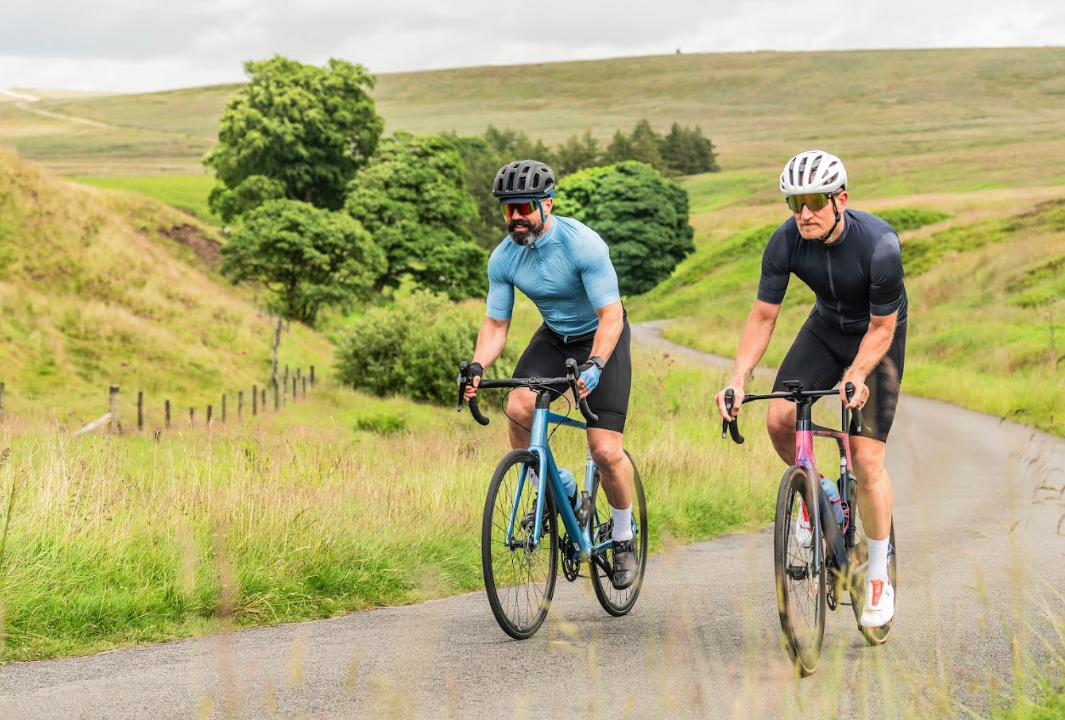
Don't put away the yellow bunting. Nearly four weeks later, the Tour de France Femmes makes its British debut with another three stages in England.
Stage One: Leeds to Manchester — July 30
The women begin in Leeds, where enormous crowds famously welcomed the men's Tour in 2014. From Yorkshire, the route crosses the Pennines before finishing in Manchester, giving northern England another day in the international cycling spotlight.
Stage Two: Manchester to Sheffield — July 31
The following day brings a considerably tougher proposition. The Manchester-to-Sheffield stage packs in nearly 3,000 meters of climbing, turning the Pennines and Peak District into both spectacular scenery and a serious sporting test.
Stage Three: London — August 1
For the British finale, the Tour heads to the capital — and makes a little cycling history in the process.
London hosts the inaugural team time trial in the history of the Tour de France Femmes: an approximately 18-kilometer race through central London, finishing on The Mall. Instead of a fleeting glimpse of the peloton, spectators will see teams racing separately against the clock through one of the world's most recognizable cityscapes.
In 2027, you can still go to France for the Tour de France. After finishing the initial British stages, the race transfers back across the Channel to familiar roads in France for the remainder of the 114-stage grand tour.
But for both Grand Départs, set your sights on Britain.
Find more information here at the Official Grand Départ Great Britain 2027 routes and visitor information
START YOUR SPORTING TRIP!
Images courtesy of Visit Britain
Top image credit: South of Scotland Destination Alliance/Clacks Active/ Andy McClandlish
All rights reserved. You are welcome to share this material from this page, but it may not be copied, re-published, broadcast, rewritten or redistributed.
by Lynn Elmhirst on 08/13/2026
For most travelers, summer in Spain means lazy days on Mediterranean beaches, late-night tapas and sangria in sunny plazas. Summer is also Spain’s festival season – with two events famous the world over headlining a heady, heated frenzy of cultural celebrations. And only in Spain would they treat death-defying dares - and a food fight - equally seriously!
Every July 6, the northern city of Pamplona erupts with the 9-day San Fermín Festival. Literary lovers will recall that Ernest Hemingway made the Running of the Bulls world-famous in The Sun Also Rises. But the morning encierro is only one event in a much larger festival filled with parades, music, dancing, giant puppets, fireworks and Basque traditions.
Each morning at 8 a.m., hundreds of runners dressed in white with red scarves sprint just under half a mile alongside six bulls through the city's narrow streets toward the bullring. The run lasts only two to four minutes—but has become one of the world's most recognizable festival traditions.
Many visitors wisely choose to watch from balconies or behind protective barriers rather than participate.
Should Tourists Run—or Watch?
The encierro is not a recreational race or an organized tourist activity – and not for the faint of heart! Are you physically fit, completely sober and fully aware of the risks? Even if you answer ‘yes’ to all those questions, watching is still strongly advised. Even though it’s forbidden to touch or provoke the bulls, participants can be trampled, gored or caught in dangerous crowd pileups, and injuries occur every year.
Just seven weeks later, when the tomatoes are at their ripest, the time is ripe for another small Spanish town to dominate global travel and social media headlines. But not for its cuisine.
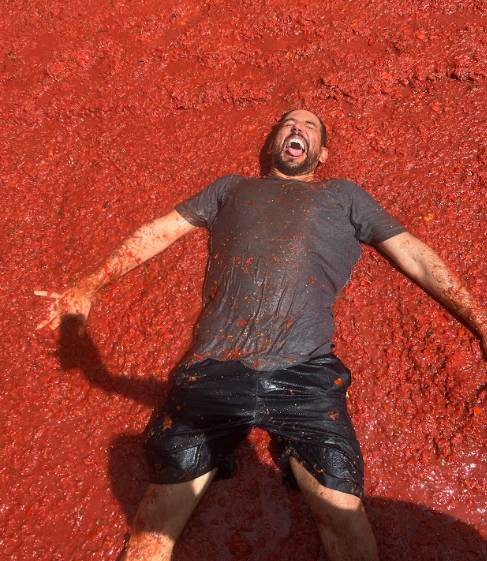
On the last Wednesday of August, Buñol, near Valencia, hosts La Tomatina, the world's largest food fight. Thousands of participants - wearing old clothes and, in a sensible twist in recent years, swimming goggles - gather as truckloads of overripe tomatoes are delivered to the town square.
And just like that, over a quarter of a million pounds of tomatoes become ammunition. Like the messiest snowball fight you can imagine, everyone in the square is fair game.
As iconic as La Tomatina is, the tradition dates only to 1945, reportedly after an argument escalated into a spontaneous tomato fight using produce from a nearby market stall.
Today it's a carefully organized event with attendance capped by advance ticket sales. And it’s a bit more vegetarian-friendly than the Running of the Bulls!
Wind up your throwing arm… or watch?
Unlike the dangers of the Running of the Bulls, La Tomatina is tame by comparison! And visitors account for a large share of the crowd prepared to risk tomato stains on your clothing to say you’ve participated in the food fight to end all food fights.
In fact, even if you’re hoping to only watch, if you’re in the neighborhood, you’re still likely to end up part of the mess!
Summer in Spain has no shortage of sunshine and beaches. But if you want to have stories you’ll be telling long after your tan fades, it's hard to beat a country where you can dodge bulls and vegetables in organized festivals every summer.
START YOUR TRIP!
Images: Getty
All rights reserved. You are welcome to share this material from this page, but it may not be copied, re-published, broadcast, rewritten or redistributed.
by Lynn Elmhirst on 07/23/2026
Record-breaking summer heatwaves throughout Europe have more travelers looking for cooler destinations to spend the holidays. I have some favorites.
By: Lynn Elmhirst, travel journalist and expert
Some like it hot! And since Coco Chanel made it stylish to spend even scorching summers on the French Riviera, heat-loving travelers have flocked to the Mediterranean during the season. Those who couldn’t brave Mediterranean heat? Well, they stayed in more central areas of Europe in the summers.
That’s been the pattern for decades – but it is changing fast.
An early summer heatwave in 2026 shattered records across parts of Europe, making many top summer travel hotspots: London, Paris, Amsterdam - even Vienna and alpine Switzerland - feel like the high summer in the Med.
Mediterranean destinations are designed for the heat, with thick walls, shutters and even afternoon siesta habits – helping residents and visitors stay comfortable. In places north of the Med, it’s a much different story.
That makes one of the ‘hottest’ trends in travel today: the ‘coolcation.’ And there are my favorite places to travel in the summer - without breaking a sweat!
Pro Tip: consider cruising. Not only are these destinations best explored by coastal cruising, but it’s also always a bit cooler over water, and there’s always a breeze at sea!
Even more southern parts of Scandinavia and their capitals, like Copenhagen, are feeling the heat. To truly escape the climate, go even farther north. A coastal cruise up the fjords of Norway is one of the iconic, bucket list cruises with some of the most inspiring scenery and charming Scandinavian villages. Some cruises will take you far enough north to actually be Arctic – where you have the chance of even spotting polar bears!
(Top photo: Viking Cruises ship in Geiranger Fjord, Norway, courtesy of Viking)
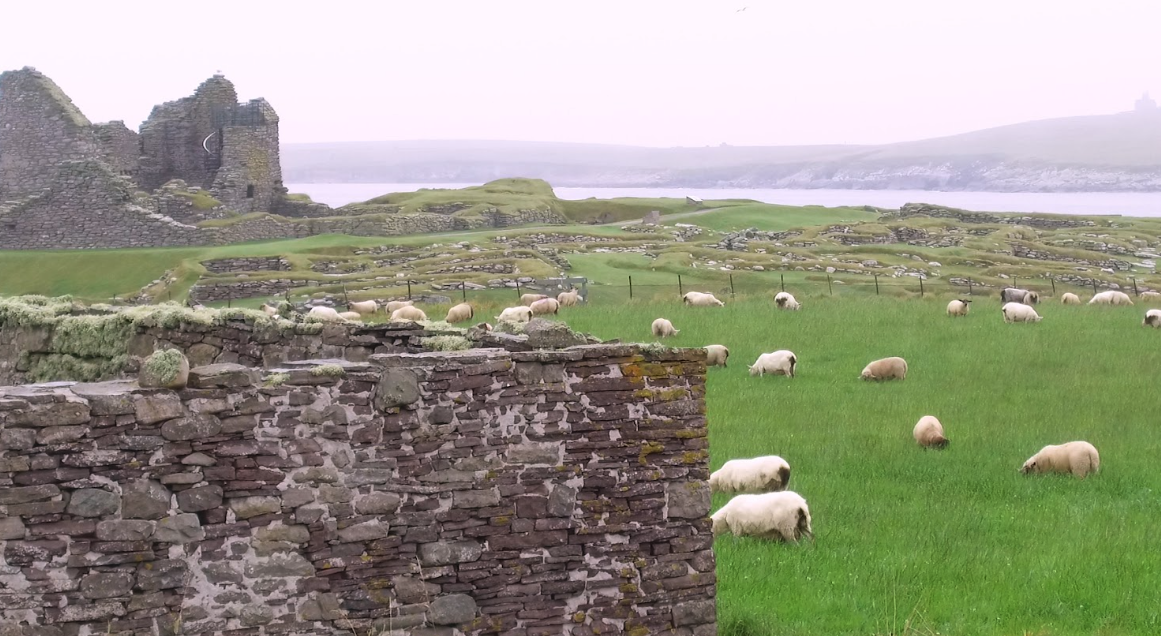
Channel your inner Highlander along the windswept, rocky shores of Scotland’s Shetland Isles or any of its other islands. Discover ancient stone structures, cozy inns, shops and pubs, and unforgettable puffin encounters. Not to mention the isles’ trifecta of farm animals: rugged sheep, adorable Highland cows and coiffure-challenged Shetland ponies! I think the purchase of a piece of tartan or a Highland wool scarf may be mandatory!

The ‘land of fire and ice’ does not disappoint, from geysers and glaciers and volcanoes and one-of-a-kind wild scenery, to Icelandic ponies and quirky local food like sheep hotdogs and fermented shark. You’ll want to tour the ‘Golden Circle’ of scenic points outside of Reykjavik and catch a performance in the capital’s stunning harborfront music hall, covered in reflective ‘scales’ that mirror the water.
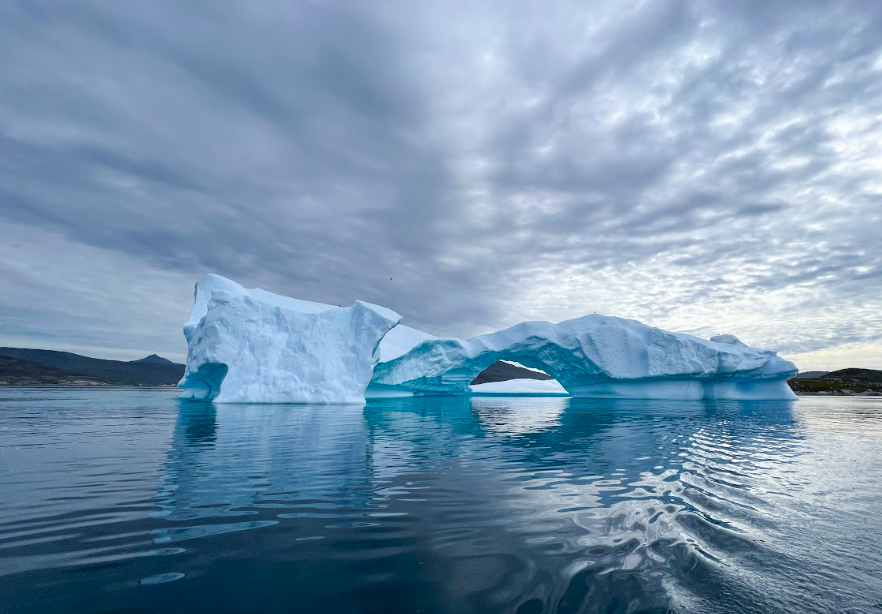
The sleeping giant of Arctic travel destinations. Greenland is a giant icecap, with edges of the coast inhabited by small communities and some of the most spectacular polar scenery: towering cliffs and fjords, glaciers and icebergs. Capital city Nuuk now has an airport and public art installations throughout its charming, part-Arctic, part-Scandinavian streetscape by the sea.
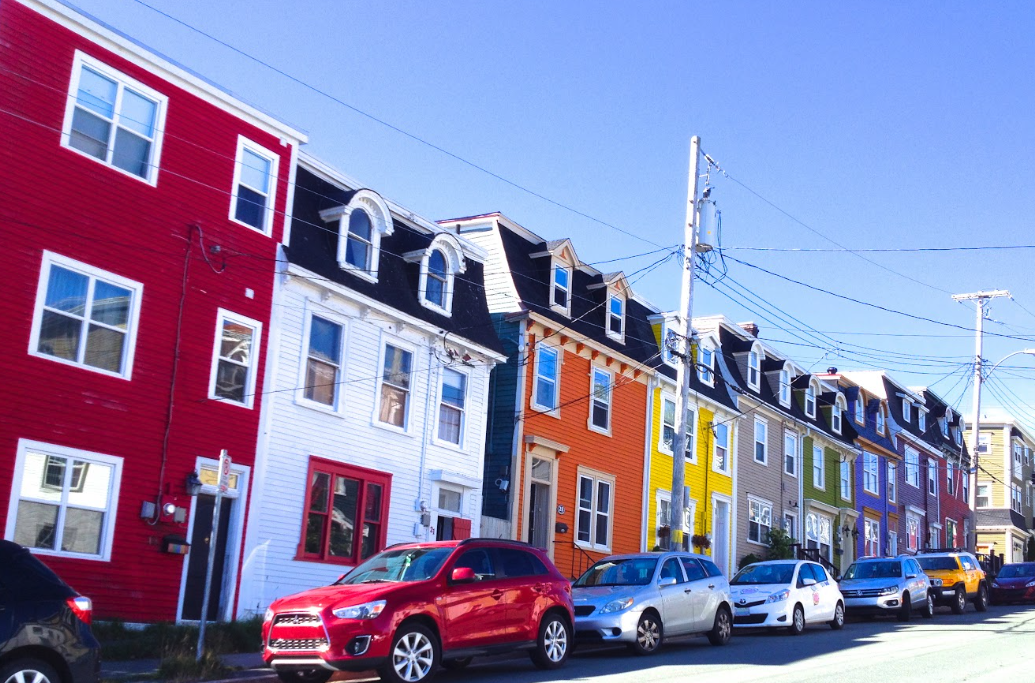
Newfoundland is more than the vast scenery of Gros Morne National Park, or the archeological remains of Viking settlements that long pre-date Christopher Columbus. It’s a cultural treasure. You haven’t really lived until you’ve been ‘screeched in’ as an honorary Newfoundlander in a pub in St. John’s, with local Irish seafarer-inspired bands playing in the background. You’ll have to kiss a cod fish and down a shot of the local ‘screech’ – rum which is nowadays a lot smoother than its original version! And you’ll never meet a Newfoundlander who can’t sing or tell you a tall tale!
And since we’re talking cruising, I have to point out one of the most accessible coolcation destinations in our own back yard. Cruises to Alaska just keep growing in popularity, and why not? It’s the perfect multi-generational destination, where everyone in the family finds something to love: spotting bald eagles and bears, otters and whales, glaciers and icebergs, and vast forests. And tasting local crab right out of the crab pots.
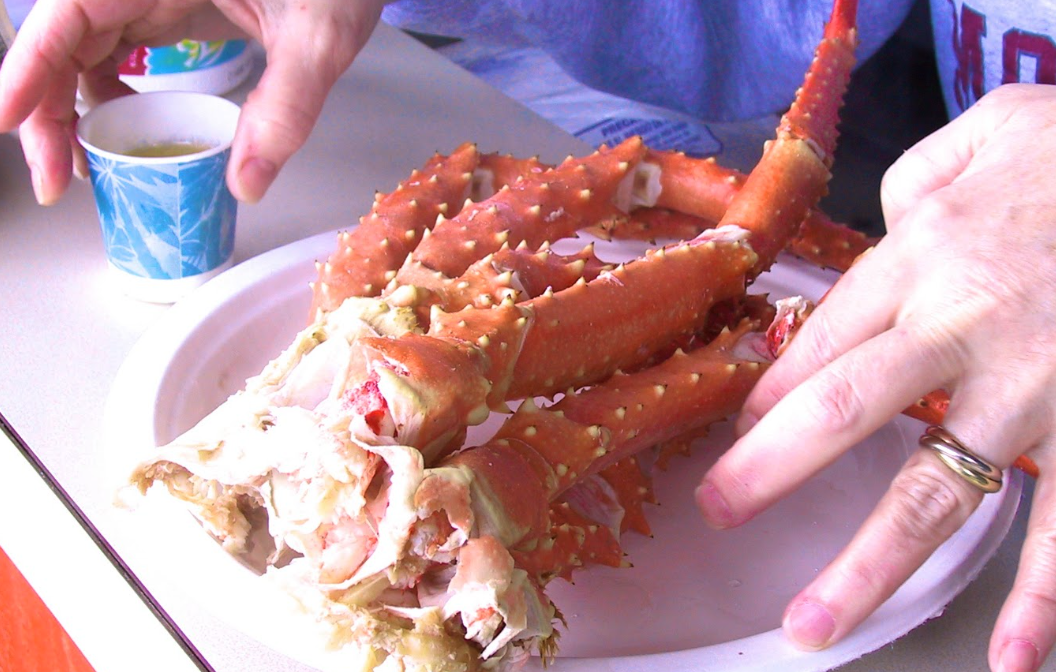
But there’s a catch: Alaska’s getting warmer summers, too. Although Alaskan ‘heatwaves’ aren’t nearly at Mediterranean levels, interior cities especially, like Fairbanks, can hit temperatures even over 95 degrees (35 C)! Especially with the ‘white nights’ where the sun is out 20 or more hours a day, this prevents nighttime cooling relief. Nonetheless, coastal areas remain cooled by sea breezes and Alaska cruises remain an easy way to experience the scenery and communities of America’s Last Frontier.
START YOUR (COOL!) TRIP!
Top image courtesy of Viking Cruises
Other Images: Lynn Elmhirst
All rights reserved. You are welcome to share this material from this page, but it may not be copied, re-published, broadcast, rewritten or redistributed.
by Lynn Elmhirst on 07/23/2026
It’s never too early to start counting down the days until Christmas – or plan a holiday getaway. Christmas in July reminders are a great opportunity to think about how you want to celebrate or travel to get into the spirit of the season. And for me, Christmas market river cruises may be the very best way.
First, you get the benefits of river cruising: unpacking once and sailing into the hearts of these European villages, towns, and cities, and having all the details taken care of: being dropped off at the markets without having to find parking! And enjoying seasonal festivities and cuisine on board. Even the Grinch would convert to Christmas on a Christmas market river cruise!
But which Christmas market river cruise?
There are two major Christmas market river cruise itineraries that almost all river cruise lines operate, so you have a wide range of cruising styles and price points.
The Rhine and the Danube are the two major cruising rivers, and they are also in the heart of where many of our most beloved Christmas traditions were born, with Christmas markets in different styles. Sometimes you even visit 2 a day!
Rhine River cruise itineraries wind their way from Amsterdam in the north, through western Germany, touching France, and ending in Basel, Switzerland.
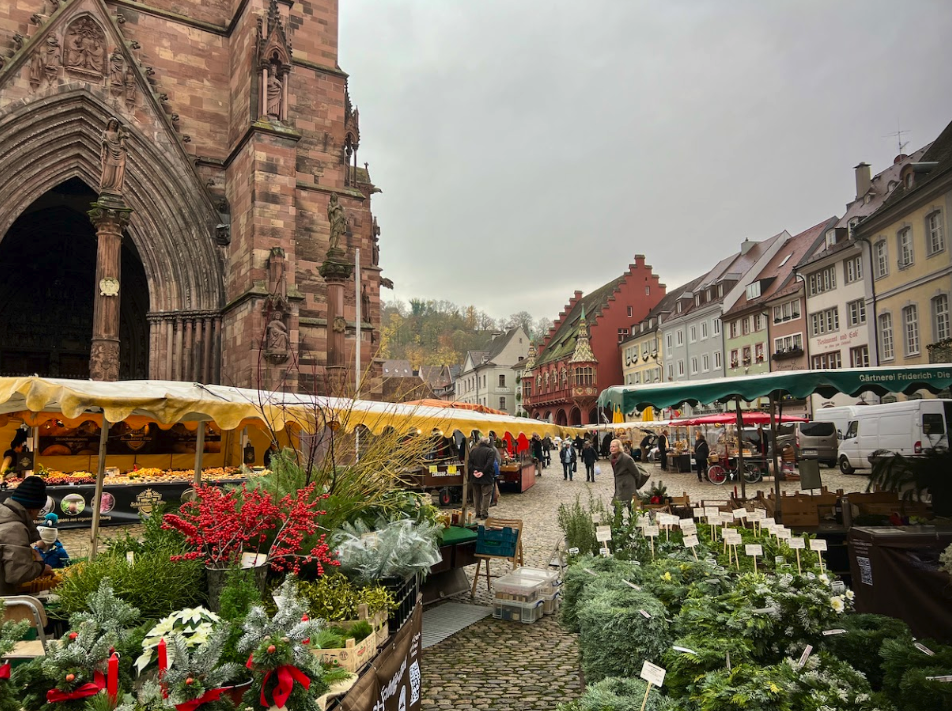
Ports of call include major urban centers and their Christmas markets, from the vast market surrounding the imposing Cologne cathedral, to charming medieval village markets like Freiburg in the Black Forest (above), where I bought a bouquet including Christmas pine and amaryllis to take back to my balcony stateroom aboard the Viking Sigyn.
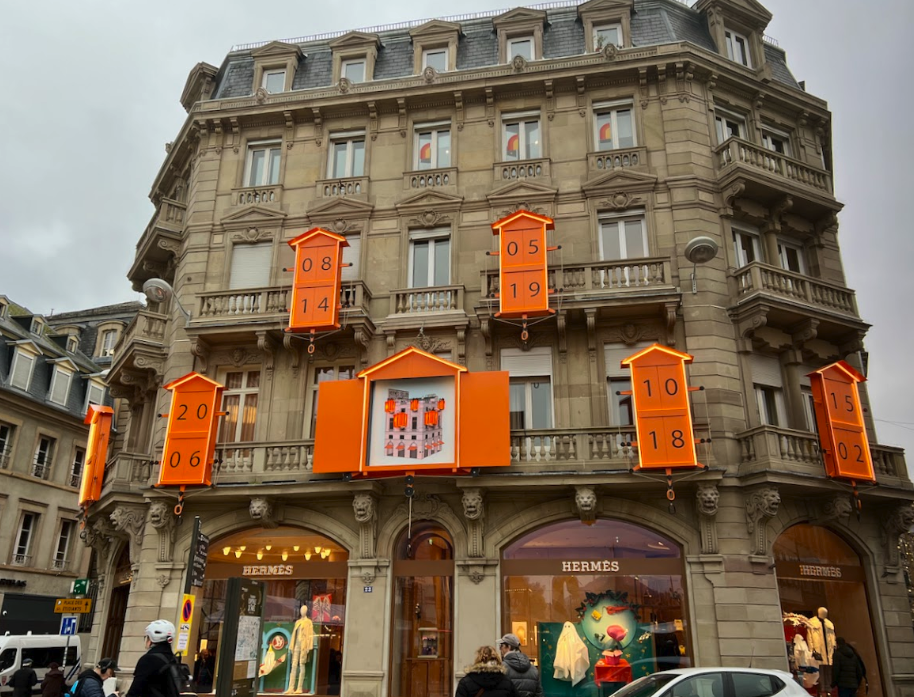
The inclusion of France. Strasbourg is the ‘Christmas Capital of France’ and its market is renowned. If you love all things French, you’ll get a little taste of Noël here (the entire town is decked out in elegant French style for the holidays, even the luxury stores, like the one below!).
Mulled wine that’s white Alsatian wine with citrus (which I prefer to red wine that’s sweetened and spiced) and French-German twists, like chocolate pretzel-beignets – irresistible!

And Switzerland. Chocolate, fondu, après-ski… The Swiss do comfort and winters like you imagine them!
Don’t forget: the castles. The Middle Rhine has the highest concentration of castles anywhere in the world.40 castles in 40 miles. A UNESCO site and one of the most romantic scenic sailings in the world, best seen from the river to see these medieval marvels on both banks. They’re even more romantic cupping a mug of spiked hot chocolate, bundled up on the top deck of our Viking longship (top photo).
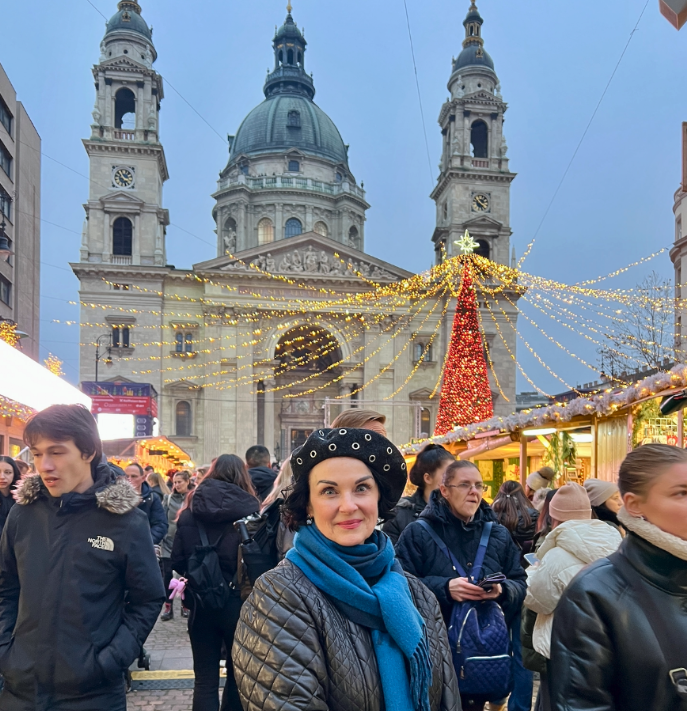
The middle section of the Danube runs between Passau, in the south-east corner of Germany, through Austria, touching Slovakia, and ending in Budapest, Hungary. At any time of the year, it’s a celebration of Central European culture and history. At Christmas, local food, beverages, arts, crafts, and traditions you won’t experience at any other time come to life.
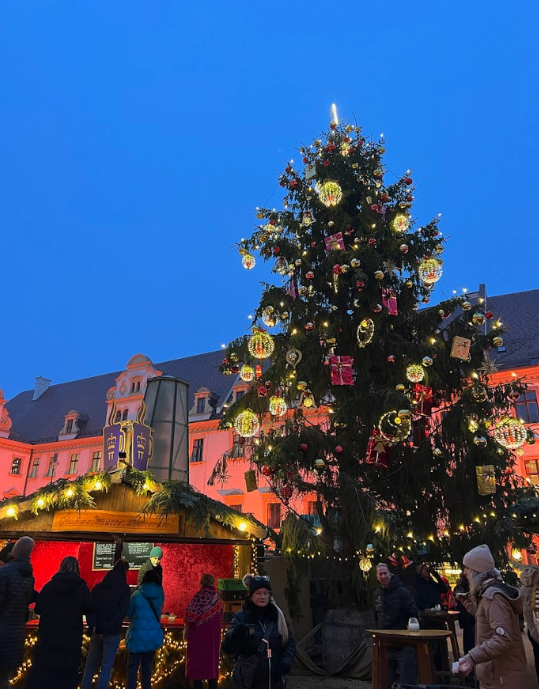
One of the things I loved most about our Scenic Christmas market river cruise on the Danube was the inclusion of the nighttime, artisan Christmas market in the castle grounds in Regensburg, dubbed the ‘Most Romantic Christmas Market’. With fires and torches illuminating the castle walls, and craftspeople smoking fish, baking sweets, hammering metal before your eyes.

Not to mention the side excursion to Salzburg, Austria, home to the heartwarming classic film that’s become a Christmas-season favorite: The Sound of Music. The Salzburg Christmas market is also one of the most authentic in Austria.
Plus the magic of fairytale, wedding-cake architecture, and horse-drawn carriages in Vienna in the winter, and comfort food like Chicken Paprikash in Budapest, Hungary. Hot tip: get the ingredients like authentic Hungarian paprika to take home as souvenirs or gifts to keep your heart warm through the entire winter season!
START YOUR TRIP!
Story and images by Lynn Elmhirst, cruise/ travel journalist and expert.
All rights reserved. You are welcome to share this material from this page, but it may not be copied, re-published, broadcast, rewritten or redistributed.
by Lynn Elmhirst on 07/09/2026
A trio of storied resorts on the island where Sandals was born is being reborn as part of Jamaica's comeback. A new name, new dream-inspiring accommodations, new dining venues, new menus, and new experiences celebrate Jamaican culture, cuisine, and natural beauty across the three properties.
Sandals Royal Caribbean is being renamed Sandals Caribbean Cay. Plus, the first Sandals ever, as well as Sandals South Coast, are all part of the $200 million re-imagination project that brings beloved resorts – and Jamaican all-inclusive hospitality - into a new era.
Over 40 years after opening its doors, Sandals Montego Bay is being transformed while honoring its legacy as Sandals’ flagship property.
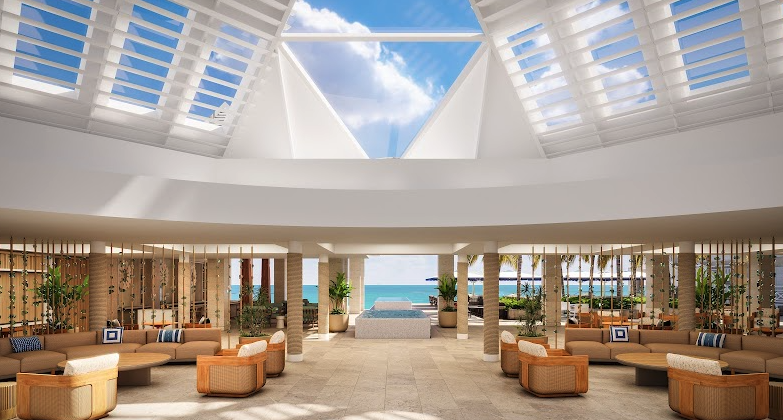
A lobby design frames sweeping views of the Caribbean Sea. A completely redesigned main pool serves as the social heart of the resort, complemented by new swim-up accommodations and spacious ocean-view suites that bring guests closer to the shoreline. The Caribbean's first-ever swim-up bar remains an iconic centerpiece of the resort's Parisol Beach Club, where the original bricks, carved with decades' worth of guest names, have been preserved as a tribute to the resort's history.
Food & Beverage
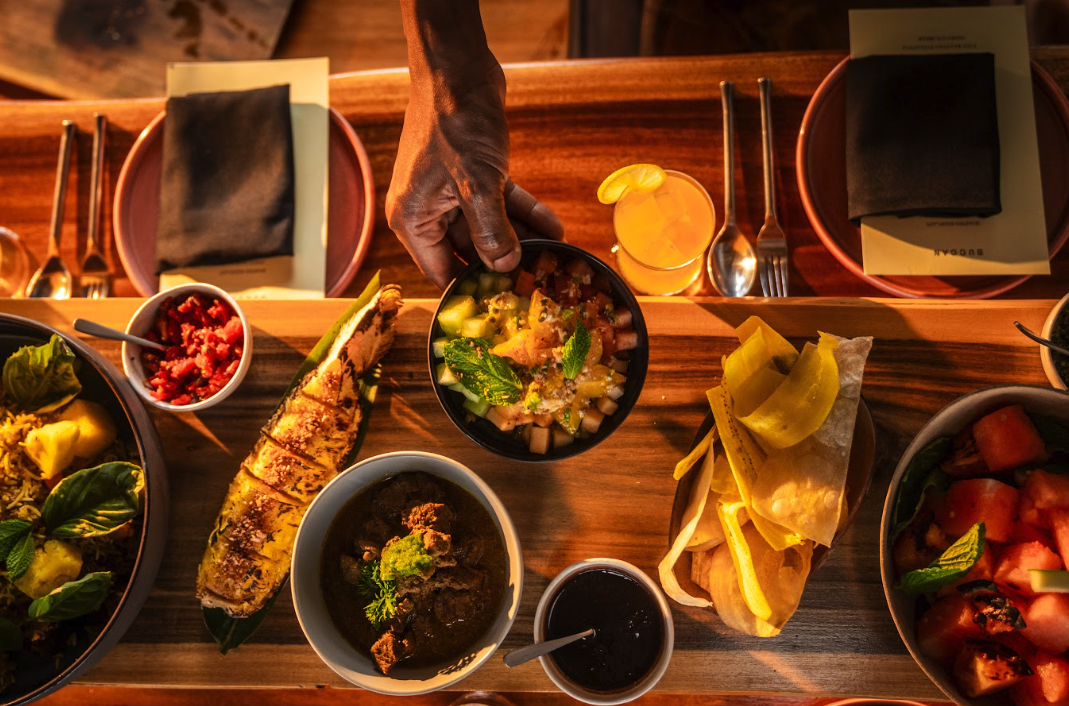
Culinary additions include: the arrival of the guest-favorite Buccan in its first waterfront setting in Jamaica, serving island favorites cooked over an open flame, as well as Jamaica's first Scrimshaw seafood restaurant, a refined coastal dining experience with wraparound sea views.
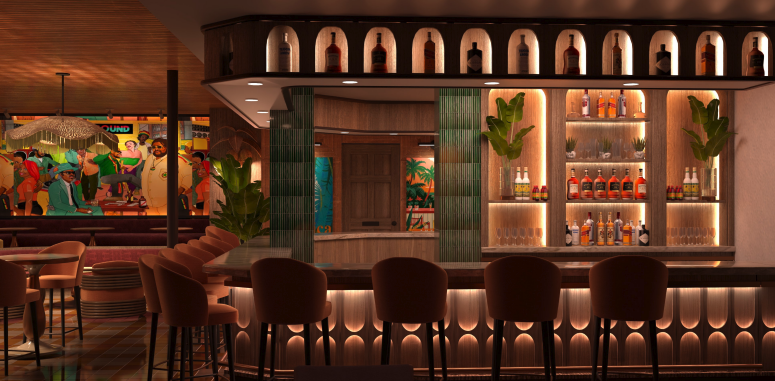
At Bay Roc Rum Club, discover a signature rum experience inspired by the property's origins as Bay Roc Hotel & Villas and the rise of Caribbean music. Featuring hand-painted murals, memorabilia and creative cocktails, the space celebrates the spirit and stories that helped shape the destination.
Formerly Sandals Royal Caribbean, the resort will debut late in 2026 as Sandals Caribbean Cay, a fresh identity inspired by its offshore island experience.
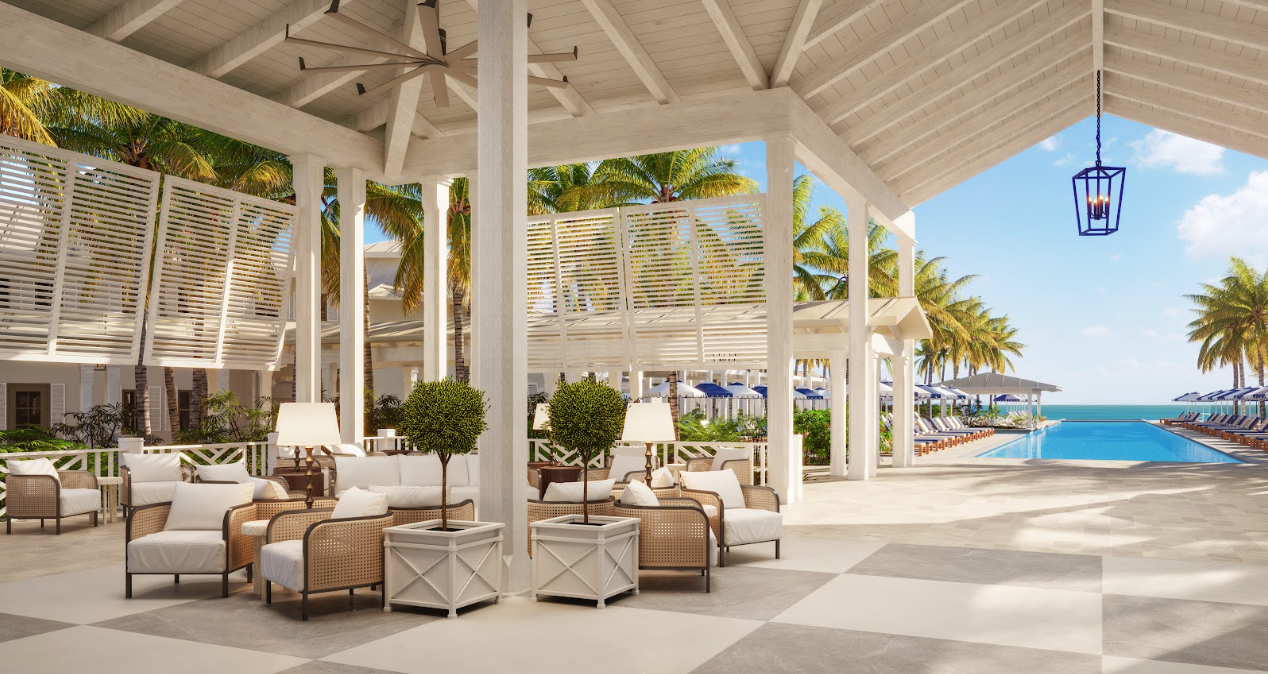
The transformation begins in the open-air lobby, with views of the main pool and the Caribbean Sea, immediately connecting guests to the water upon arrival.
Dozens of additional rooms include new categories: Sandals’ signature SkyPool Suites overlooking the ocean, new Swim-up Suites, Oceanview Butler Suites and Overwater Butler Villas set above the waters of Sandals Cay.
Food & Beverage
Leading the culinary refresh is Suppa, a homegrown ode to the tradition of gathering around the table for Sunday dinner, featuring Jamaican comfort food designed for sharing, with Keynote Rum Bar as the ‘home’s’ lounge. Heart & Sol serves lighter fare: grab-and-go juices, sandwiches and bowls.
Private Island Update
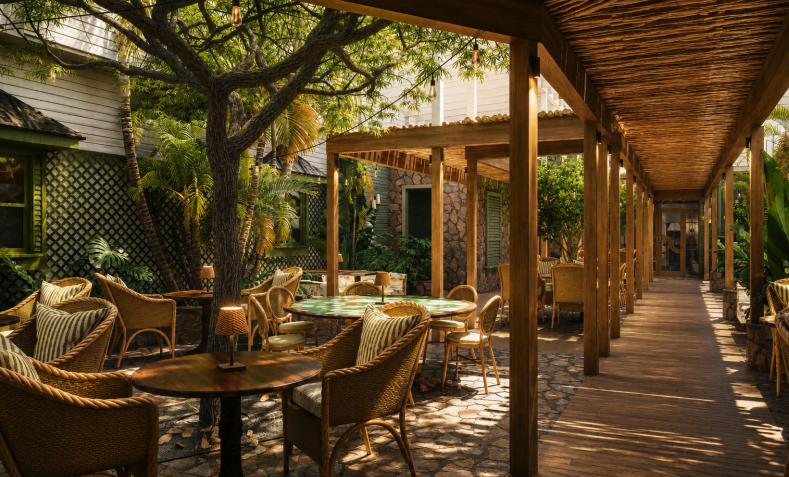
At the resort's private island, Sandals Cay, Parisol Beach Club creates a laid-back retreat accessible exclusively by boat with a swim-up bar, pool, and palapas perched along the sand, plus new dining venues Parisol and the Jerk Shack.
Surrounded by a 500-acre nature preserve, Sandals South Coast’s evolution complements one of Jamaica's most captivating coastlines.
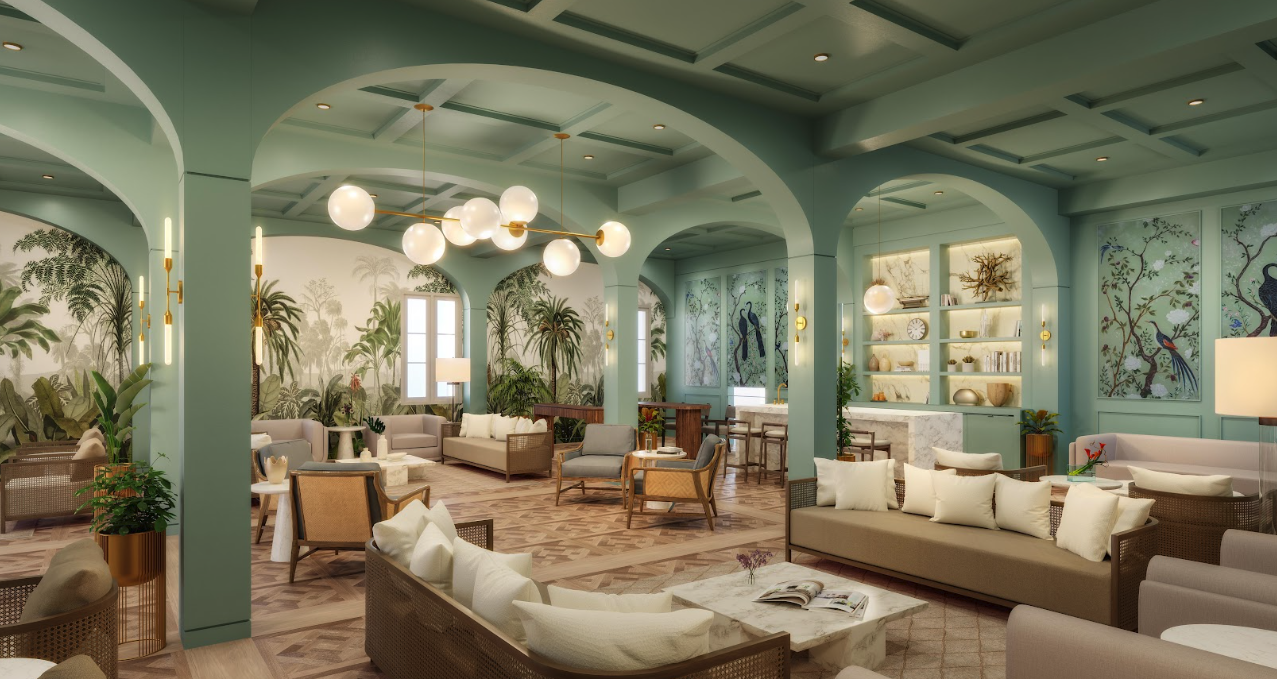
Thoughtfully enhanced with lush tropical greenery and inviting lounge areas, the pool experience feels seamlessly integrated into the landscape, while design elements of the lobby and surrounding areas draw inspiration from the resort's roaming peacocks.
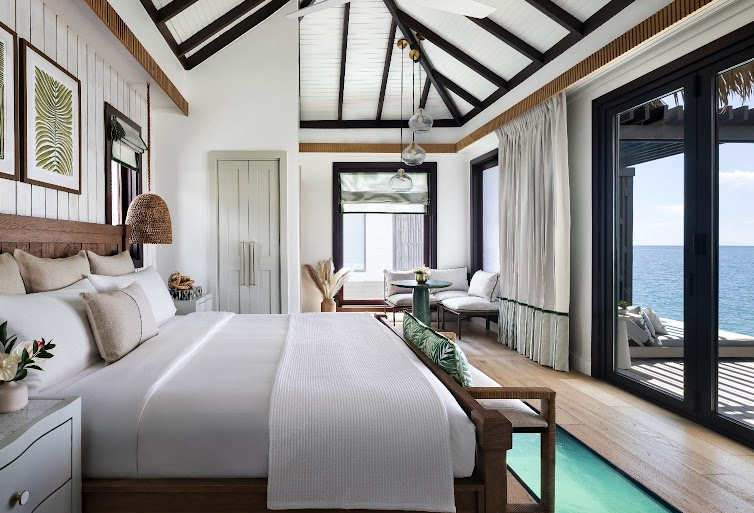
The resort's iconic Overwater Butler Villas return with refreshed, Caribbean-inspired interiors, joined by the brand's first-ever Beachfront ClubTwo Queen Junior Suites, ideal for groups traveling together.
Food & Beverage
BLŪM serves Jamaica's renowned Blue Mountain coffee alongside artisanal pastries and light bites. Butch's Island Chop House debuts on Jamaica's south coast with a dedicated martini bar. And plans are also underway for a new rum bar, the fourth in the island’s collection.
Be among the first to set foot on the sand at the trio of reborn Sandals resorts in Jamaica in 2026. Put these reopening dates in your travel calendar:
START YOUR TRIP!
Images/renderings courtesy of Sandals Resorts International
All rights reserved. You are welcome to share this material from this page, but it may not be copied, re-published, broadcast, rewritten or redistributed.
by Lynn Elmhirst on 07/09/2026
Mount Etna's July 2026 eruption sent lava and ash plumes into the Sicilian sky, creating spectacular images—and temporary travel disruptions. Volcanic ash interrupted flights at the local Catania Airport. Luckily, hotels, restaurants, archaeological sites, beaches, and coastal towns across eastern Sicily continued operating normally for those whose outbound flights were delayed.
But the eruption reminds us that even historic and cultural Europe has a geological wild side. Etna is just the tallest and most active - but not the only! - volcano on the continent, a living mountain that has been erupting for thousands of years. An unpredictable, dramatic, ancient wonder connecting us to the earliest people who believed it a force of the gods. It’s one of Italy's most fascinating natural attractions.
When Etna isn't putting on a fiery show, visitors can experience Italy's famous live volcano surprisingly close up. A cable car climbs the mountain before specially designed 4x4 vehicles and certified guides continue toward the summit craters, where visitors walk across ancient lava flows, peer into steaming fumaroles, and witness how successive eruptions have reshaped the landscape. Hiking trails wind through forests and volcanic deserts, while winter often brings the unusual opportunity to ski on Etna's slopes overlooking the Mediterranean.
The volcano's influence extends far beyond dramatic scenery. Layers of volcanic ash have created extraordinarily fertile soils that produce some of Sicily's finest wines, as well as pistachios, citrus, olives, almonds, and hazelnuts. Touring wineries on Etna's slopes has become as much a part of the visitor experience as exploring the volcano itself.
Elsewhere in Europe and around the world, active and dormant volcanoes have become some of their countries' most compelling attractions for visitors drawn to the primal appeal of the planet's power.

Few countries embrace living geology quite like Iceland. Sitting astride the Mid-Atlantic Ridge, the island is continually being reshaped by volcanic activity. Even when eruptions aren't underway, visitors can hike across fresh lava fields, explore volcanic craters, descend into dormant magma chambers, and soak in geothermal lagoons heated by underground volcanic forces. Volcanoes are not simply attractions here—they are woven into everyday Icelandic life and central to the country's tourism appeal—just like geysers, waterfalls, glaciers, and the Northern Lights.
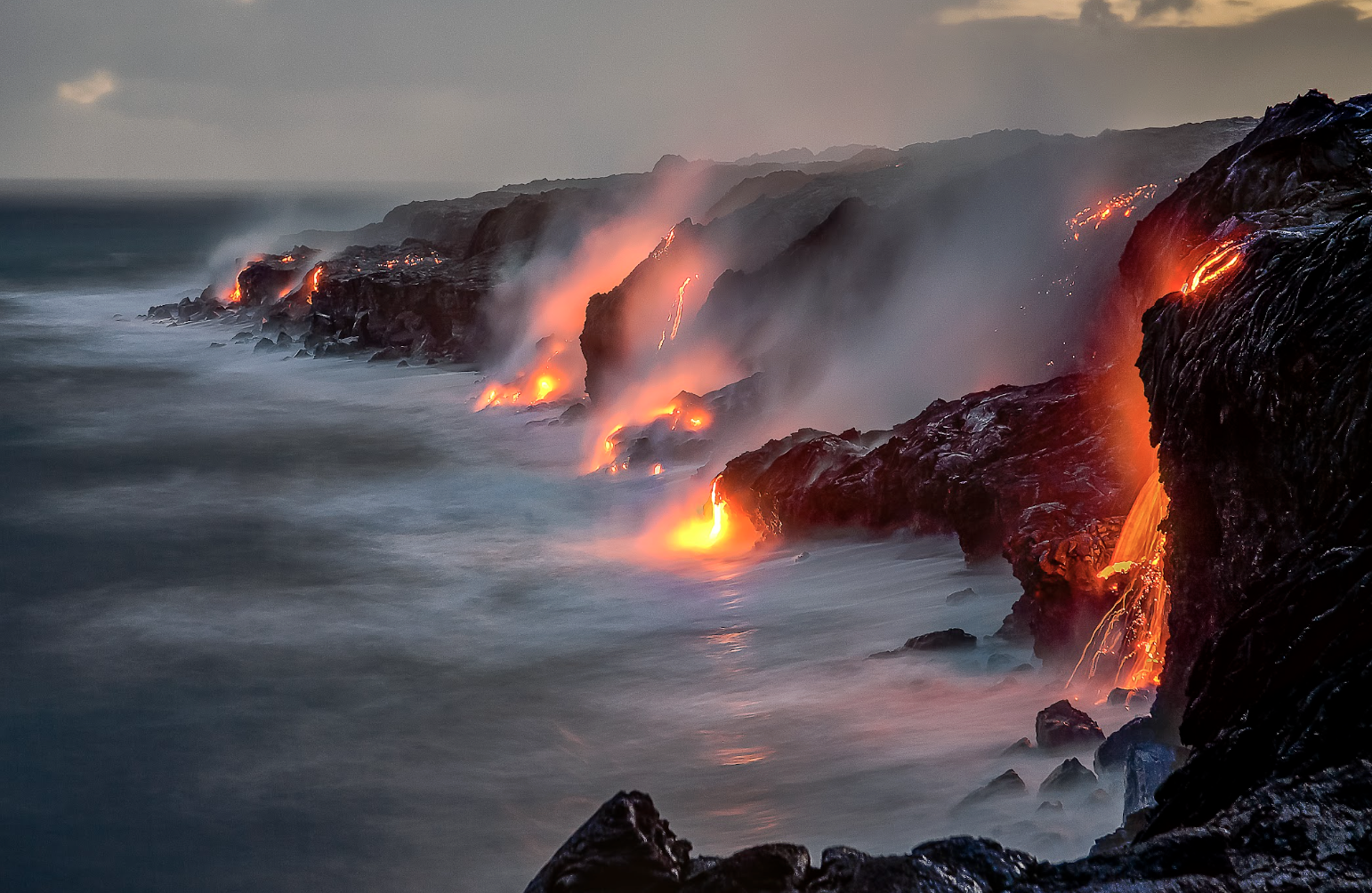
On Hawaii's Big Island, Kīlauea is one of the world's most closely monitored active volcanoes. Within Hawaii Volcanoes National Park, visitors drive the Crater Rim, walk across hardened lava fields, peer into volcanic craters, and learn how eruptions continue to build the island itself. Depending on conditions, visitors may even glimpse glowing lava after dark from designated viewing areas. The park also highlights the deep cultural significance of volcanoes in Indigenous Hawaiian traditions.
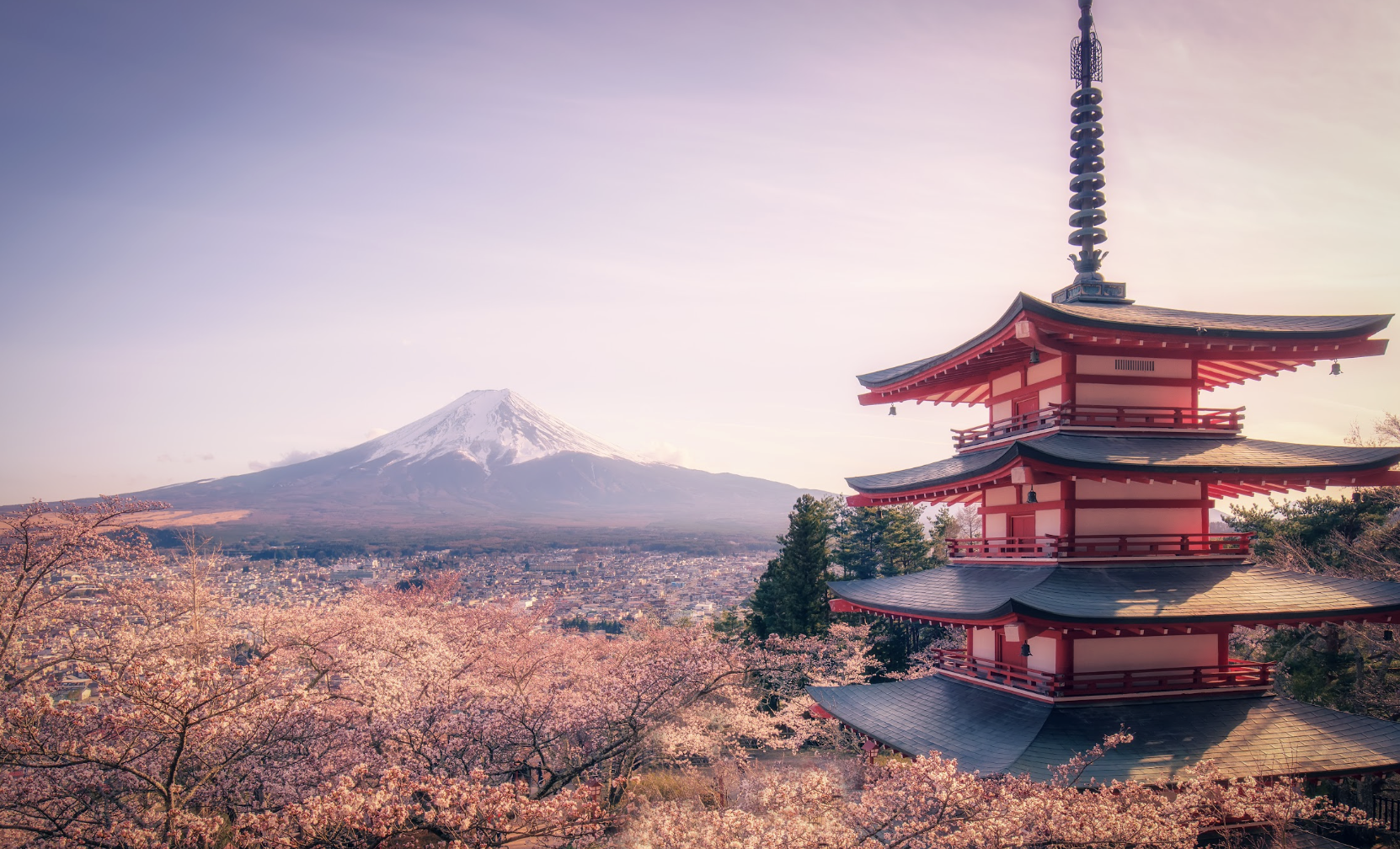
Japan offers two distinct volcanic experiences. Snow-capped Mount Fuji, the country's highest peak, is an enduring national symbol and a UNESCO World Heritage Site. Thousands of hikers climb its slopes each summer, while countless others admire its near-perfect cone from surrounding lakes, hot spring resorts, high-speed trains, and even Tokyo on a clear day.
On the southern island of Kyushu, however, Mount Aso reveals Japan's volcanic power in action. Home to one of the world's largest volcanic calderas, Aso offers hiking, scenic drives, horseback riding, and, when conditions permit, access to the active crater itself. Together, Fuji and Aso showcase both the beauty and the restless geology that define much of Japan.
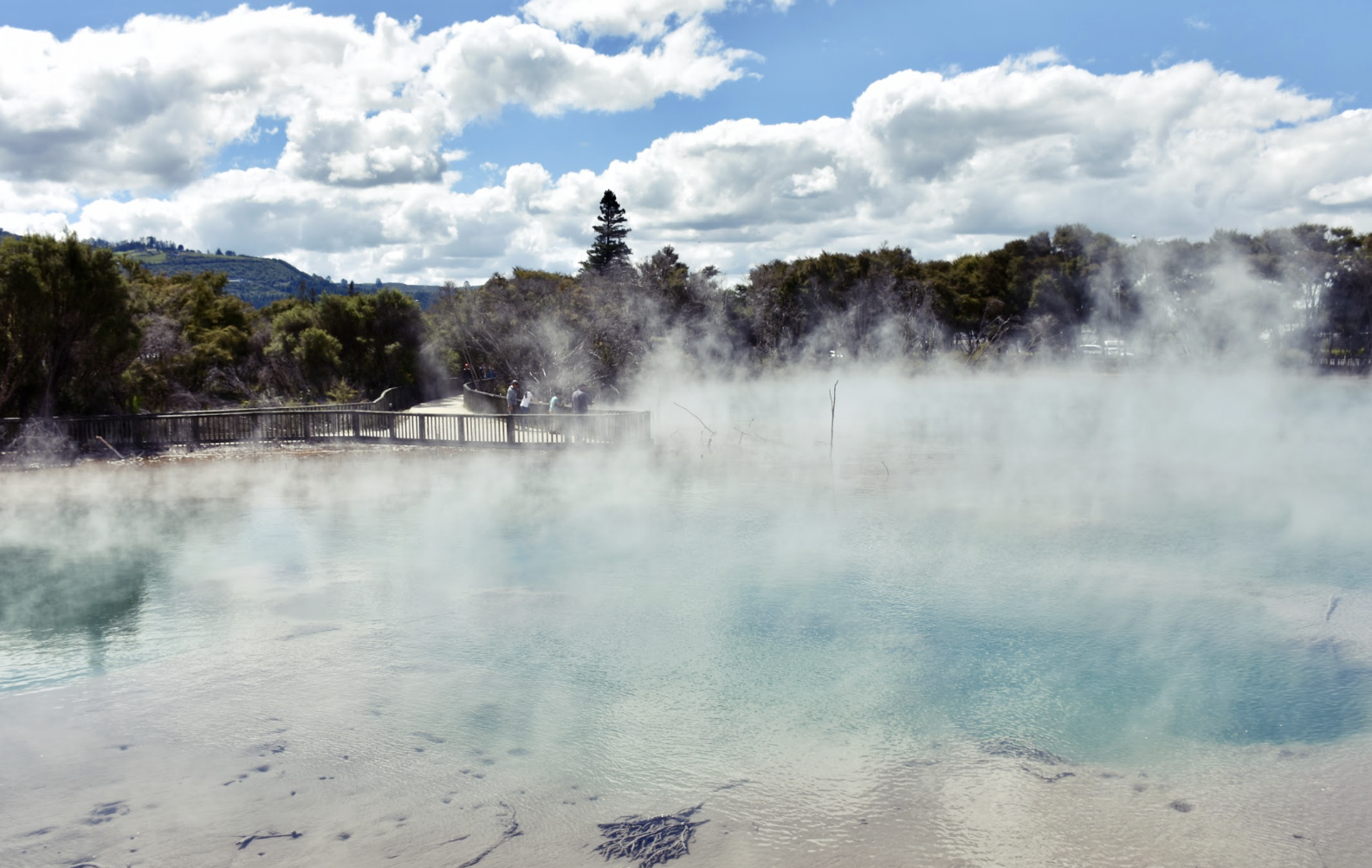
New Zealand's North Island is shaped by volcanic forces both above and below ground. Around Rotorua, geothermal parks bubble with mud pools, steaming vents, colorful mineral terraces, and powerful geysers. Further south, Tongariro National Park offers one of the world's great day hikes across volcanic terrain, passing emerald crater lakes, lava fields, and alpine landscapes that famously portrayed Mordor in The Lord of the Rings films. It's a destination where volcanic landscapes are experienced on foot as much as admired from afar.
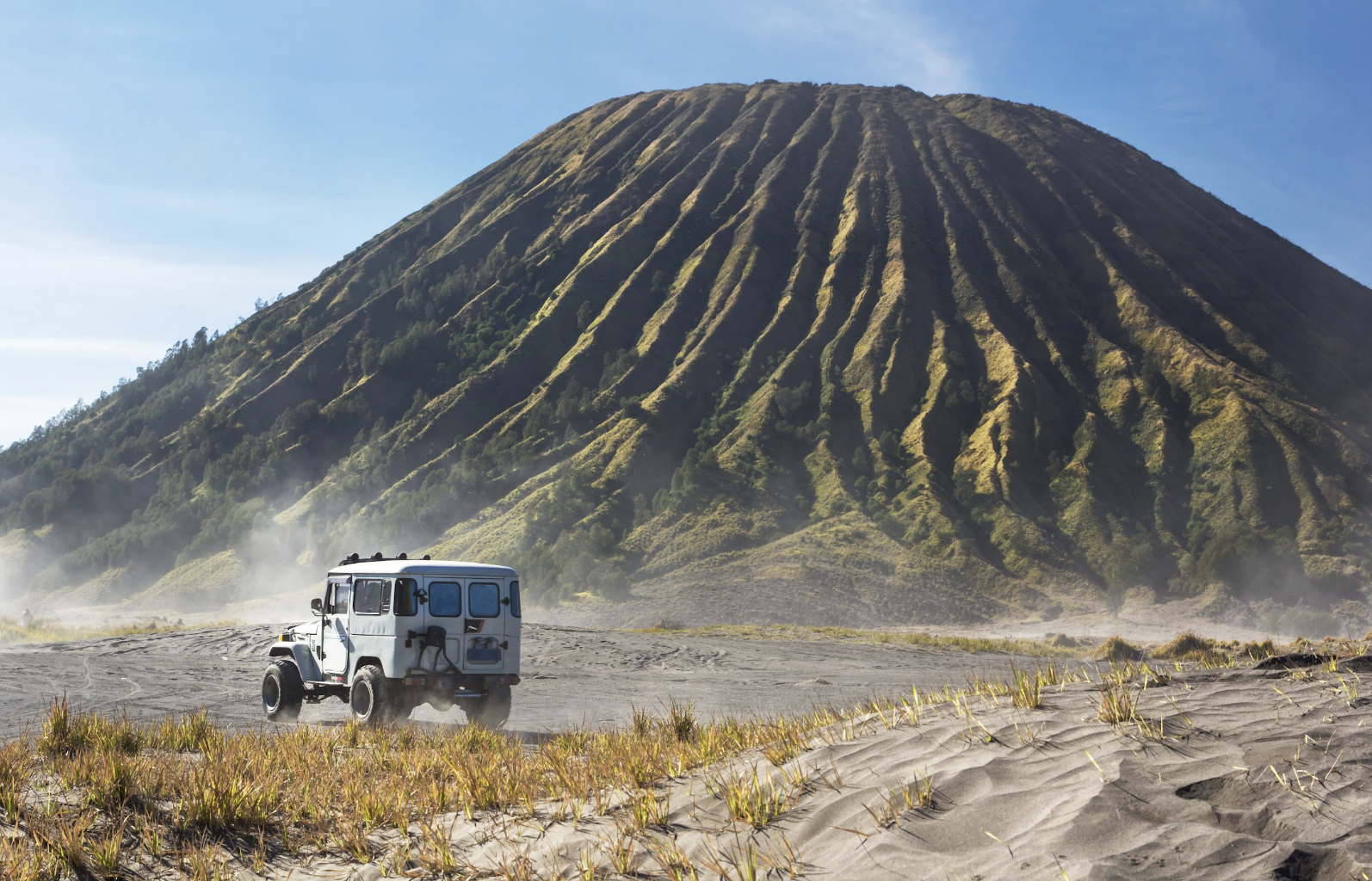
Indonesia, home to more active volcanoes than any other country, sits along the Pacific ‘Ring of Fire.’ One of its most accessible volcanic experiences is Mount Bromo in East Java. Before dawn, travelers gather at panoramic viewpoints to watch the rising sun illuminate a landscape of smoking craters, ash plains, and surrounding peaks. Later, visitors cross the Sea of Sand on foot or horseback before climbing to the crater rim.
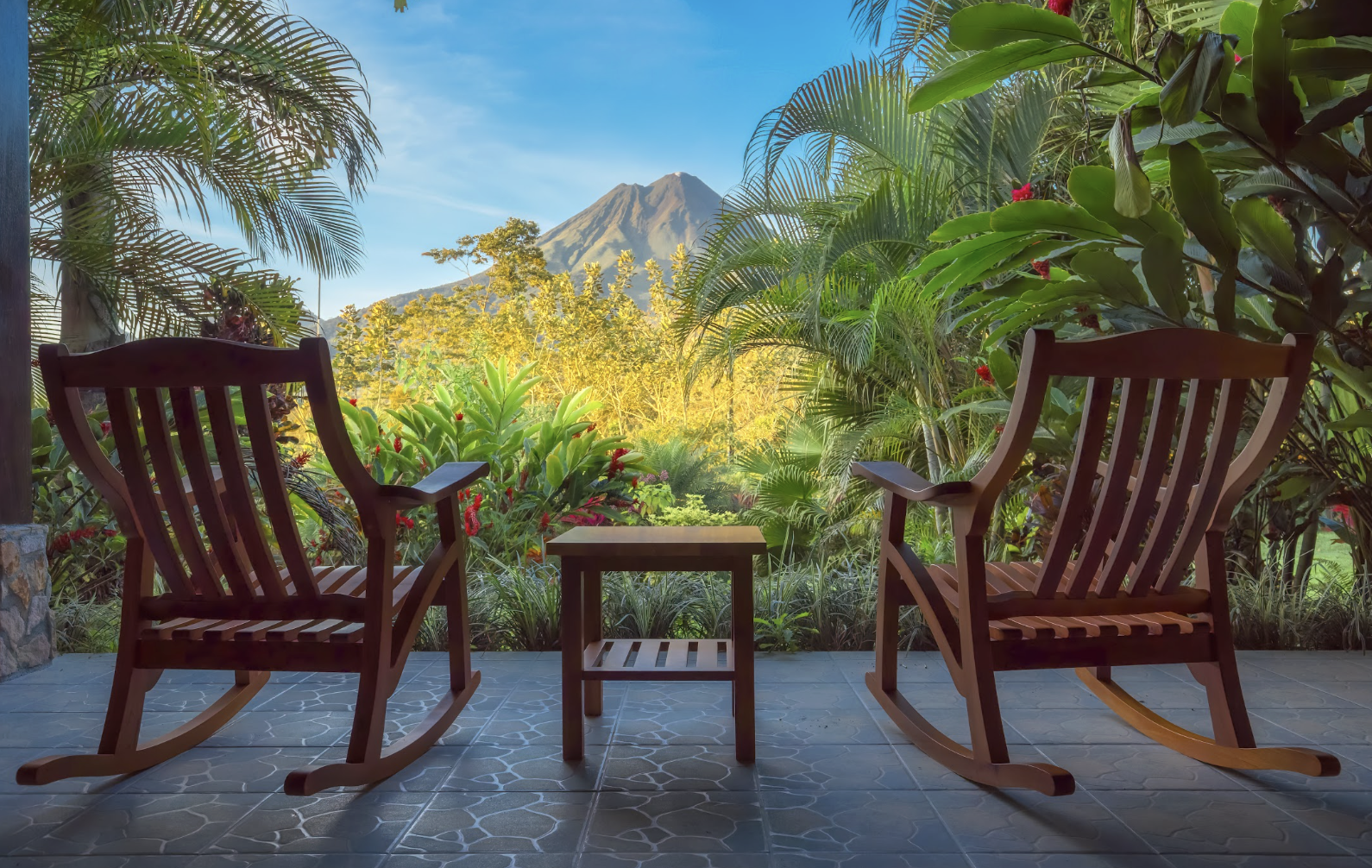
Costa Rica's volcanic backbone has helped create both its extraordinary biodiversity and its reputation as one of the world's leading adventure destinations. Arenal's perfectly symmetrical cone became famous during decades of near-continuous eruptions before entering a quieter phase, but it remains one of the country's iconic sights. Visitors hike lava trails, zipline through rainforest canopies, spot monkeys and tropical birds, and unwind in naturally heated hot springs.
Elsewhere, Poás Volcano offers one of the world's most accessible active craters, while Rincón de la Vieja combines bubbling mud pots, steaming fumaroles, waterfalls, and forest trails in a single national park. Together, they show how Costa Rica has transformed volcanic landscapes into unforgettable nature experiences.
START YOUR TRIP!
Images: Getty
All rights reserved. You are welcome to share this material from this page, but it may not be copied, re-published, broadcast, rewritten, or redistributed.
by Lynn Elmhirst on 07/09/2026
For many travelers, the increasingly popular destination of Japan begins and ends on the island of Honshu – literally, it’s ‘Main Island.’ I can’t blame them – so much of the energy and contrasts of Japan are to be found there: the neon energy of Tokyo, the ancient cultural treasures of Kyoto, the food scene of Osaka, and iconic attractions as different as Mount Fuji and Tokyo Disneyland! All connected by those famous, high-speed bullet trains.
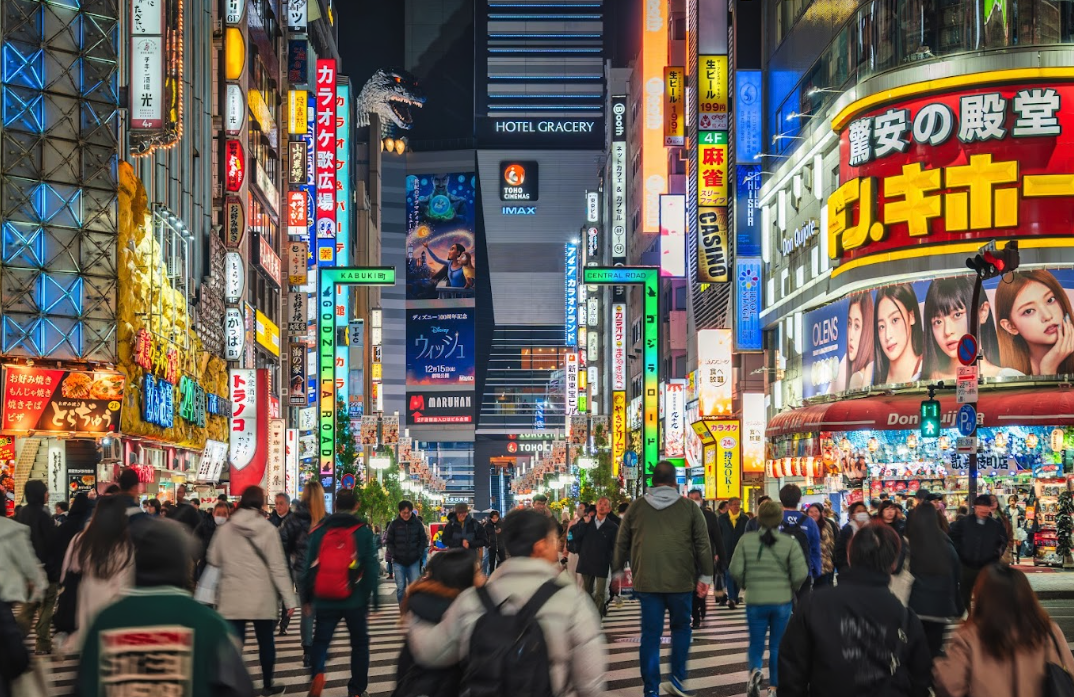
But if you stay on Honshu your entire trip to Japan, you’re missing out on experiences that will astound and resonate with you most after you leave. The incredible north-south length of the Japanese archipelago – about the same distance as the continental USA, although much narrower – means the islands of Japan span vastly different climates. That means many different sights, landscapes, and local cultures.
Think active volcanoes, subtropical beaches, and winter wonderlands, antique forests, distinctive cuisines, and cultural traditions, including indigenous peoples, that feel worlds apart from the familiar Golden Route. Japan’s other main islands - from Hokkaido in the north, to Kyushu, Shikoku, and tropical Okinawa in the south - offer compelling reasons to linger longer and dig deeper.
No wonder cruising to Japan is taking off! Voyages to other islands of this famously maritime nation allow visitors to experience many other facets of real Japan.
Japan’s northernmost main island is often compared to Alaska or Scandinavia for its vast landscapes, lower population density, outdoor lifestyle, and indigenous culture. Hokkaido is the traditional homeland of the Ainu, an Indigenous people whose history in northern Japan stretches back centuries before Japanese settlement of the island.
In winter, Hokkaido is famous for some of the lightest, driest powder snow on earth, with legendary ski resorts.
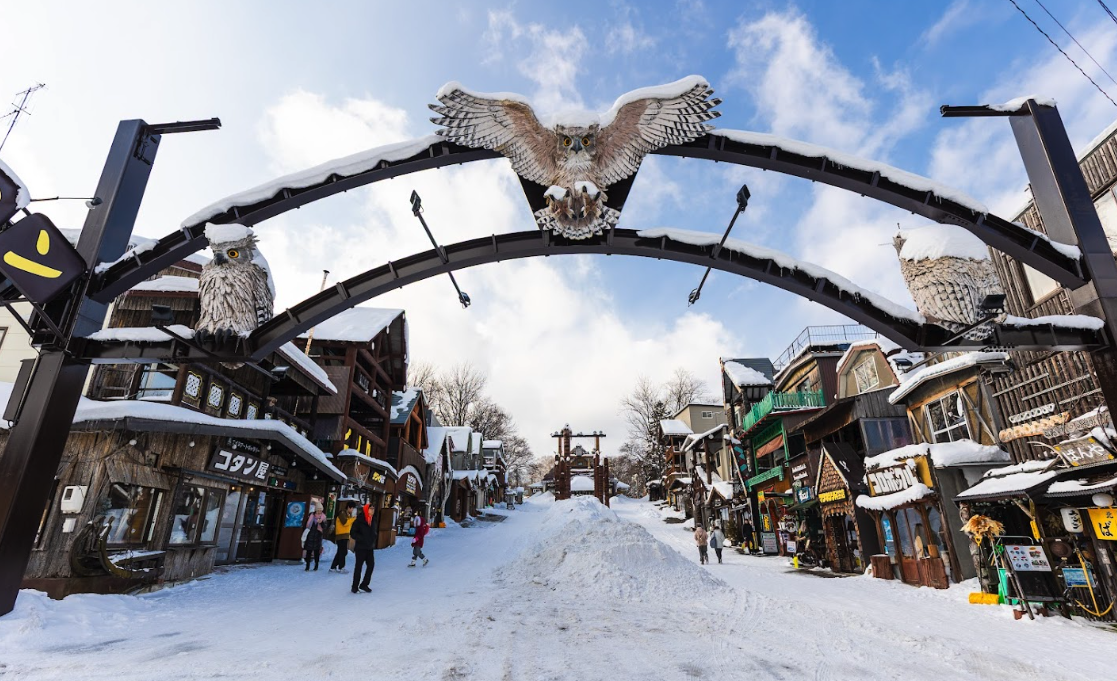
Summer brings wildflower meadows, cycling, hiking, and cooler temperatures, offering relief from the humidity elsewhere in Japan. The island is also home to several national parks, including one of Japan’s most remote wilderness areas, where brown bears, whales, and eagles thrive.
Food is another draw. Hokkaido’s cool climate produces some of Japan’s finest dairy products, seafood, and agricultural products. Snow crab, sea urchin, scallops, and rich miso ramen are local specialties.
Southwest of Honshu lies Kyushu, an island shaped by fire.
The landscape is dominated by active volcanoes, including Mount Aso, whose enormous caldera is among the largest in the world. Steam vents and volcanic peaks create some of Japan’s most dramatic scenery.
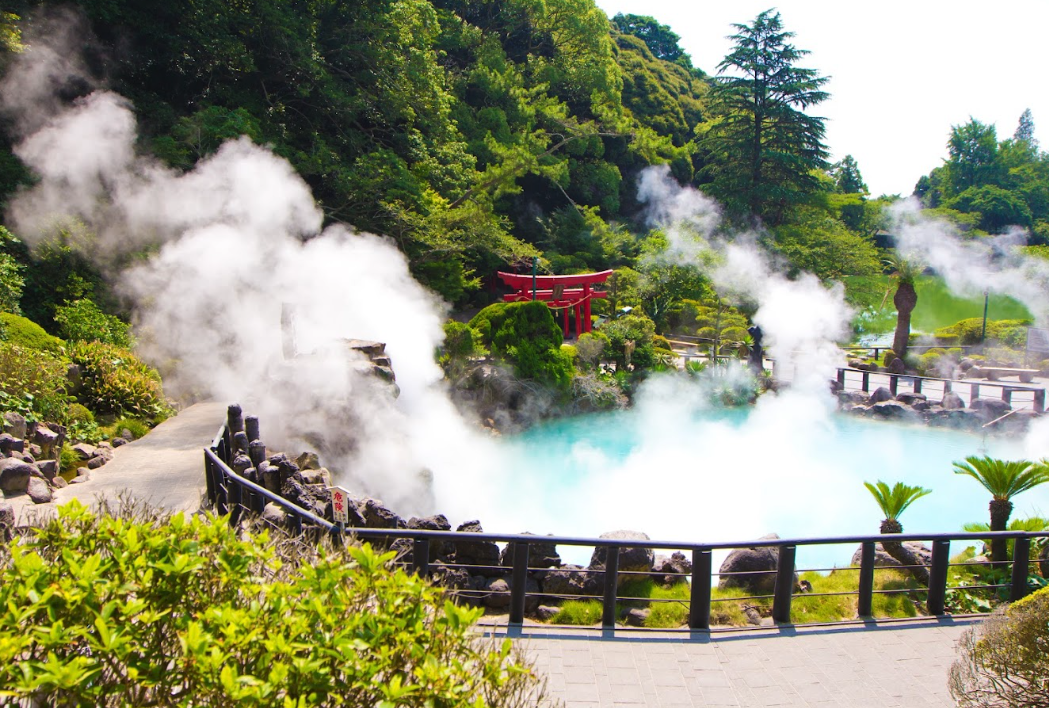
That also makes Kyushu one of Japan’s premier hot spring destinations.
History buffs will find another layer of fascination. Because of its proximity to the Asian mainland, Kyushu served as an important gateway for international influence. The city of Nagasaki tells one of Japan’s most complex stories, from early international trade to its role in World War II and its remarkable recovery.
Food lovers should come hungry. Tonkotsu ramen, made with a rich pork-bone broth, originated in Kyushu and remains one of Japan’s most beloved regional dishes.
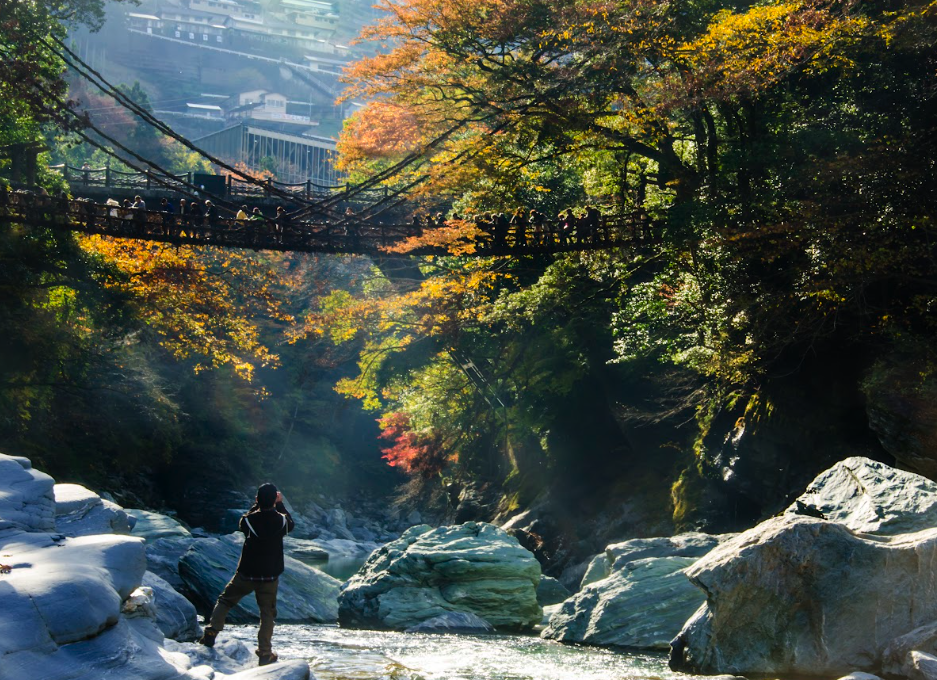
The smallest of Japan’s four main islands is often overlooked—and that’s why you should go.
Shikoku offers a quieter, slower-paced Japan where traditional rural landscapes remain intact. Rice paddies, mountain villages, fishing communities, and dramatic gorges, vine suspension bridges, and coastlines define much of the island.
Its most famous attraction is the Shikoku Pilgrimage, an 88-temple circuit spanning more than 700 miles around the island.
If Hokkaido is the Alaska of Japan, Okinawa, at the opposite, southern end of the country, is its Hawai’i.
Okinawa (pictured, top) is not one of Japan’s four main islands, but it has incredible appeal with subtropical coral reefs, turquoise waters, jungles, and Ryukyu Kingdom cultural heritage — with its own language, cuisine, music, architecture, and lifestyle.
The people of Okinawa are not considered Indigenous in the same way as Hokkaido’s Ainu, but they continue to preserve a distinct cultural identity from the centuries-old Ryukyu Kingdom, which Japan annexed in the 19th century.
Today, visitors experience this distinctive heritage through Ryukyu textiles and pottery, Okinawan soba noodles, and music played on a unique three-stringed instrument.
START YOUR TRIP!
Images: Getty
By: Lynn Elmhirst, travel expert and journalist
All rights reserved. You are welcome to share this material from this page, but it may not be copied, re-published, broadcast, rewritten, or redistributed.
by Lynn Elmhirst on 06/25/2026
London. Venice. Lisbon. Each powerhouse travel destination already has its share of iconic hotels. But new properties opening in 2026 give visitors the unique ability to live inside the history and culture of these storied cities, not just peer at them from the outside.
Waldorf Astoria London – Admiralty Arch
One of London's most recognizable landmarks is now one of its most exclusive places to stay, offering access to ordinary people for the first time ever.
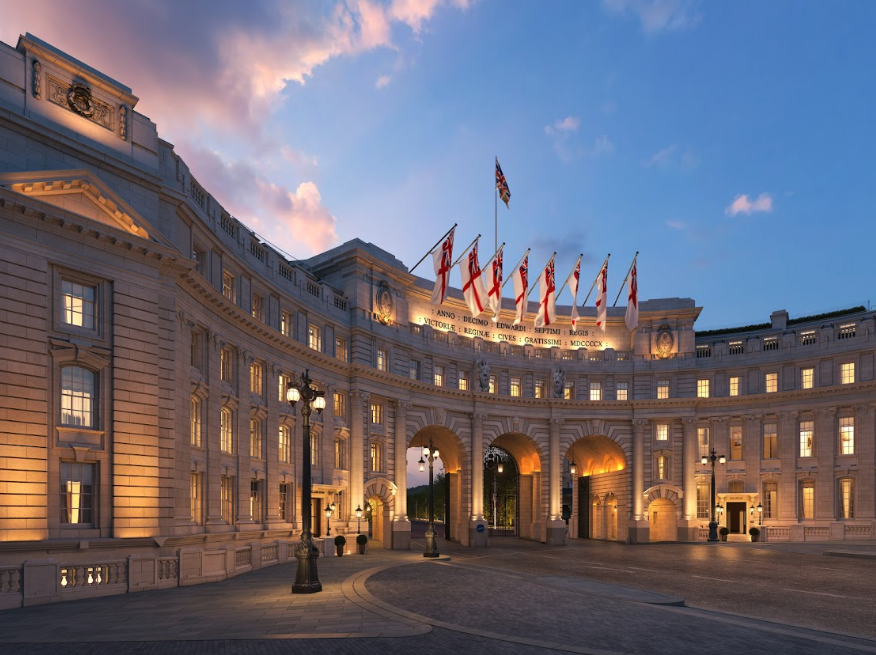
Commissioned as a memorial to Queen Victoria and designed by the architect behind Buckingham Palace's famous façade, the Grade I-listed historic site, Admiralty Arch, has been the grand ceremonial gateway linking Trafalgar Square with The Mall and Buckingham Palace. That’s made it the one of the most-photographed buildings in London: the backdrop for royal carriage wedding and funeral processions, state occasions, and national celebrations.
Despite its landmark significance, inside was government office space, the HQ of the British Royal Navy’s Admiralty – earning it the name Admiralty Arch. Civilians rarely got inside at all, and never overnight.
That’s all changed. The Waldorf Astoria conversion preserves the building's historic architecture while adapting its 200,000 square feet into a luxury hotel with 114 guest rooms, suites, residences, restaurants, a ballroom, and spa. More than half the accommodations are expansive residential-style suites, many named for Britain's naval heritage.
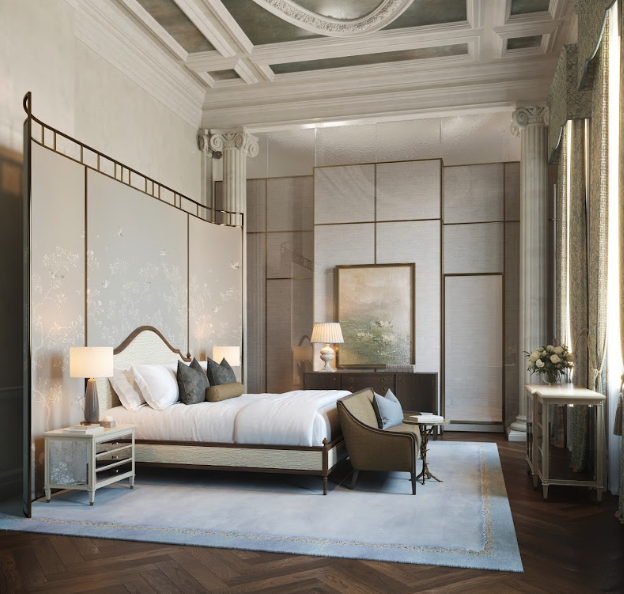
The transformation also brings acclaimed dining to the landmark, with restaurants by Michelin-starred chefs Clare Smyth and Daniel Boulud, including a rooftop venue overlooking Buckingham Palace and St. James's Park.
For travelers, the Waldorf Astoria London – Admiralty Arch (also pictured above) offers a rare opportunity to experience one of Britain's most historic public monuments from the inside—not as a visitor passing through, but as a guest spending the night at the ceremonial heart of London!
Orient Express Palazzo Donà Giovannelli
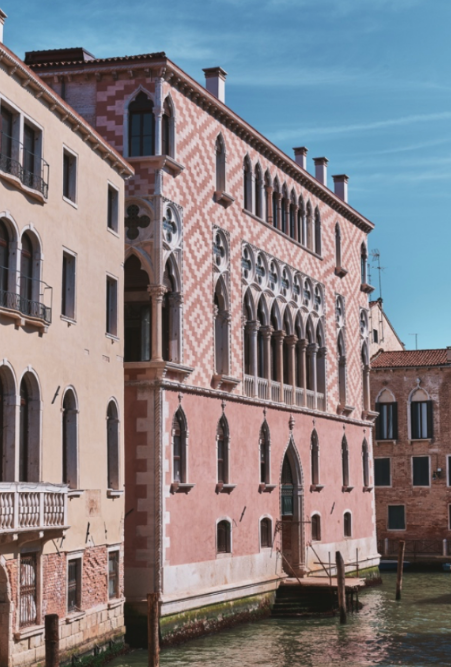
One of Venice's grandest historic palaces is entering a new chapter as a luxury hotel, giving travelers access to a building that has been at the center of the city's history for nearly six centuries.
The 15th-century Palazzo Donà Giovannelli has reopened as Orient Express Palazzo Donà Giovannelli following an extensive restoration. Built in 1436 by the architect associated with the Doge's Palace, the palace has served over the centuries as the private residence of the influential Donà and Giovannelli families and later the Duke of Urbino. Its ornate ballrooms, frescoed salons, and Gothic façade have remained largely hidden from public view.
The restoration carefully preserves the palace's Neogothic, Renaissance, and Baroque architecture while adapting it into an intimate hotel with just 47 rooms, suites, and apartments. Original frescoes, mosaic floors, and one of Venice's most dramatic staircases have been restored, allowing guests to experience spaces once reserved for Venetian nobility.
True to Venetian tradition, you arrive by private boat through the palace's original 15th-century water gate or via a quiet courtyard off Cannaregio's streets. Public spaces include the spectacular Vittoria Ballroom, created for a royal wedding in 1548, as well as historic salons.
The Orient Express Palazzo Donà Giovannelli is not just another luxury hotel. It’s an opportunity to stay inside one of Venice's authentic historic palazzi, experiencing a remarkable piece of the city's architectural and cultural heritage from within rather than simply admiring it from the canal.
Danieli, Venezia, A Four Seasons Hotel
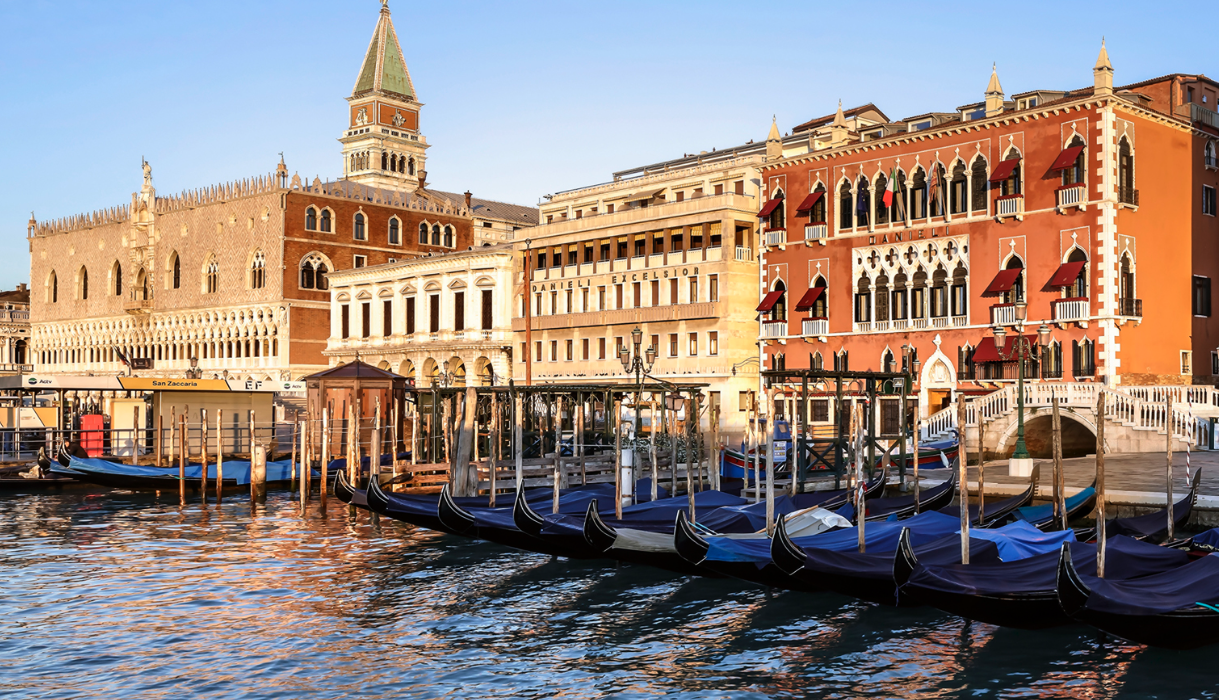
In 2026, one of Venice's most famous hotels begins a new era under the beloved Four Seasons flag, following an extensive restoration of a landmark that has welcomed travelers for more than 200 years.
Danieli, Venezia, A Four Seasons Hotel, occupies a waterfront complex of three interconnected palaces – one dating from the 15th century - overlooking the Venetian Lagoon, just steps from Piazza San Marco, which became one of Venice's most iconic hotels.
The restoration preserves many of the property's defining historic features, including its soaring pink marble columns, grand staircase, Murano glass chandeliers, and richly decorated Venetian interiors, while introducing updated guest accommodations and public spaces designed to respect the buildings' architectural heritage.
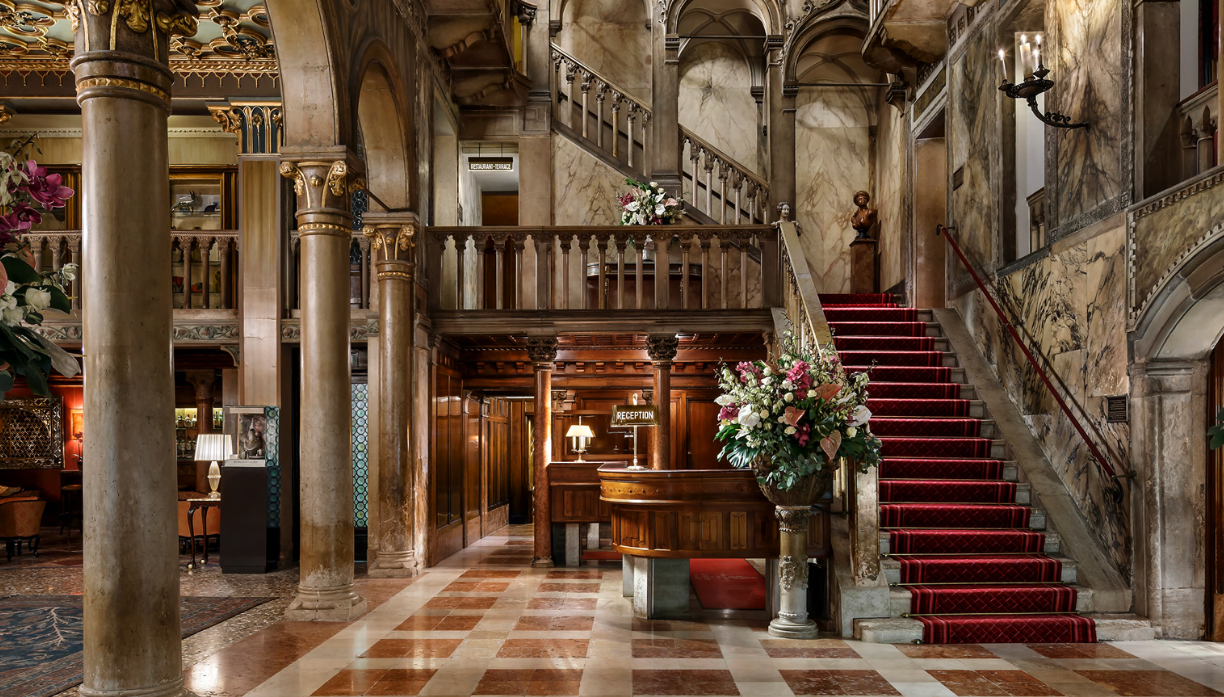
The reimagined Danieli connects visitors with Venice through experiences that highlight the city's living traditions, from Voga Veneta rowing and Murano glass craftsmanship to hidden gardens and the engineering behind the MOSE flood barrier protecting the UNESCO-listed city.
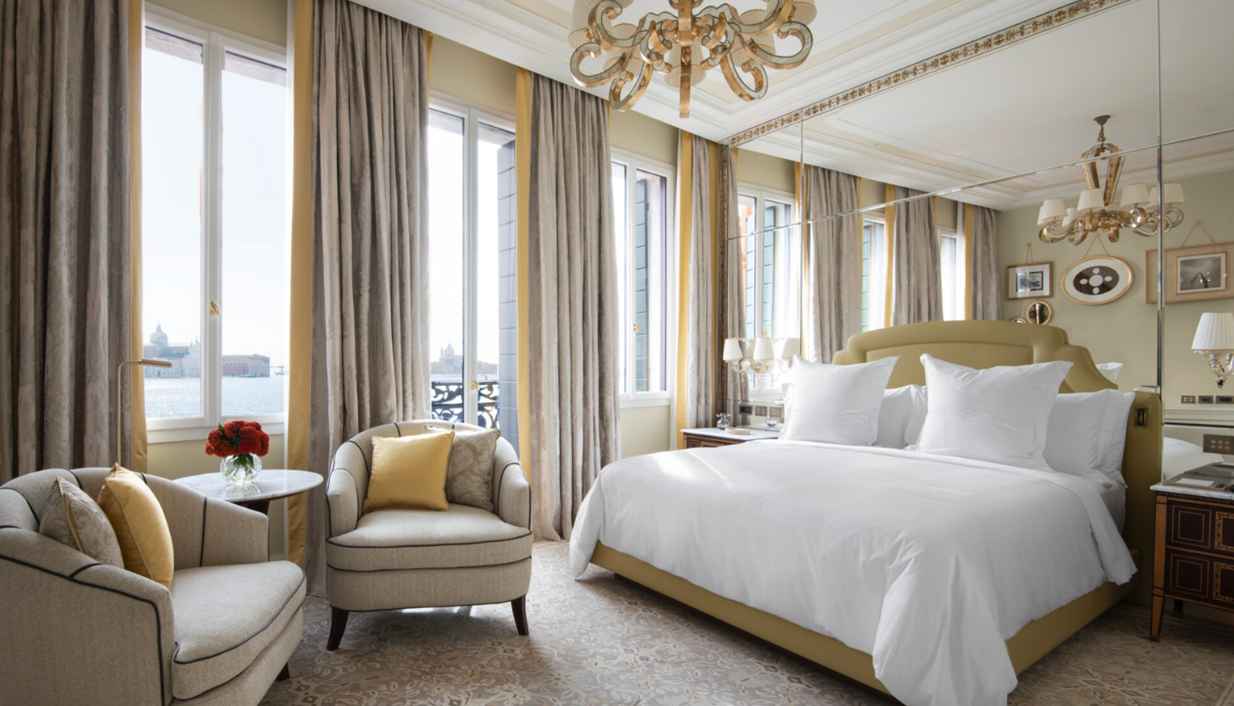
The re-launched hotel under one of the most revered luxury hospitality brands preserves one of Venice's best-known historic landmarks while offering the chance to stay inside a collection of aristocratic palaces and immerse yourself in Venetian culture and lifestyle.
Six Senses Lisbon
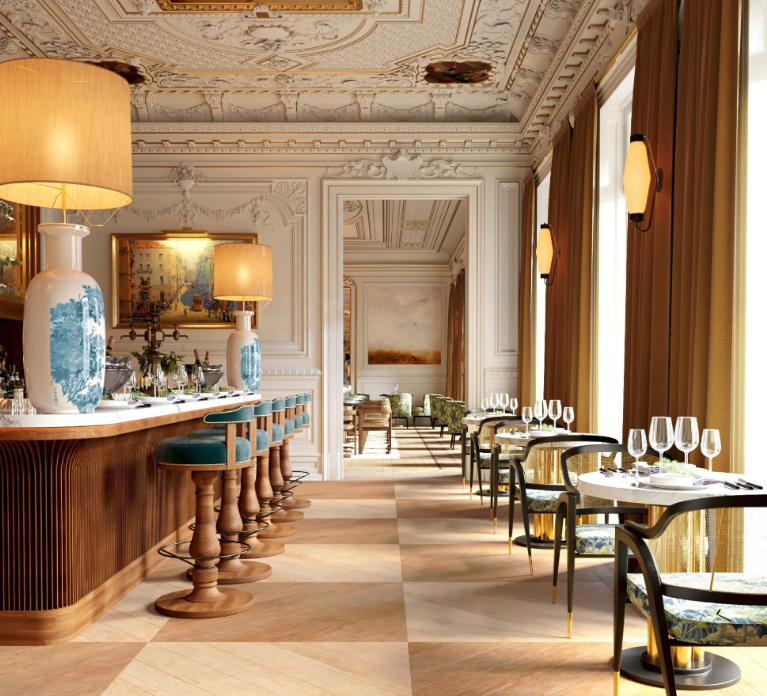
Lisbon's growing collection of historic palace hotels gains another fascinating addition with the opening of Six Senses Lisbon, a restoration project that brings two centuries-old aristocratic residences back to life.
Set beside the historic Elevador do Lavra—the city's oldest funicular railway still in operation—the new hotel occupies two restored 18th-century palaces.
The restoration retains grand staircases, soaring ceilings, frescoes, historic artwork, antique rugs, maps, and period furnishings, while introducing 21st-century comforts within spaces once occupied by Lisbon's elite. Rather than replacing the buildings' history, the project highlights it, allowing guests to experience authentic Portuguese palatial architecture from the inside.
Guests are within walking distance of the historic Bairro Alto neighborhood, Avenida da Liberdade, and some of Lisbon's best-known theaters, while rooftop terraces and gardens provide a sense of space and a breezy place to relax in Lisbon’s city center.
For travelers, Six Senses Lisbon allows you to experience one of Europe's most vibrant capital cities from an authentic historic setting.
START YOUR TRIP!
Images as noted and courtesy of their respective hotel brands.
All rights reserved. You are welcome to share this material from this page, but it may not be copied, re-published, broadcast, rewritten or redistributed.
by Lynn Elmhirst on 06/25/2026
One hundred years after his death, Antoni Gaudí remains impossible to separate from Barcelona.
The Catalan architect died on June 10, 1926, one of the most defining architects of any era, tragically struck down by a tram. A century later, his extraordinary buildings are not only the city's most recognizable landmarks, but they have also become symbols of Barcelona itself. For most travelers, a first visit to the Catalan regional capital is as much about discovering Gaudí as it is about experiencing Spain.
Throughout 2026, Barcelona is hosting a year-long program of events commemorating the architect's life and legacy with exhibitions, concerts, cultural programs, special tours, and commemorative events across the city.
The centrepiece of the anniversary is a milestone in the long story of the Sagrada Família, Gaudí’s masterpiece towering over Barcelona.
The basilica that is the greatest legacy of the architect is still being built. Construction on Sagrada Familia began in 1882. And although Sagrada Familia will not be fully completed until well into the next decade, it has already achieved UNESCO World Heritage designation.
In death, Gaudí remains with his life’s work. He is buried beneath the nave.
The 100th anniversary of his passing was commemorated on June 10, 2026, by the inauguration of the completed Tower of Jesus Christ, now the tallest church tower in the world.
It was a celebration for the ages, with Pope Leo XIV traveling to Barcelona, joining the King and Queen of Spain and other dignitaries for a commemorative Mass celebrating Antoni Gaudí, and inaugurating the Tower of Jesus Christ.


The completion of the 172.5-meter (568-foot) tower fulfills one of Gaudí's most ambitious visions.
The Tower of Jesus Christ is the central tower of the Sagrada Família tower grouping, and the last one to be completed. It is surrounded by the four towers of the Evangelists and the tower of the Virgin Mary. It has 12 faces. The tower is topped with a three-dimensional four-armed cross, which itself is 17 meters (55 feet) tall and 13.5 meters (44 feet) wide.
Gaudí wanted the cross to shine both day and night. So it features white enameled ceramic and glass, two shiny materials that reflect the vivid Barcelona sun (and can also stand up to exposure to the elements). Spotlights will ensure the cross continues to be a beacon throughout the nights.
Inside, the church remains one of Europe's most phenomenal interiors. Gaudí designed the soaring columns to resemble a forest canopy, with stained glass creating an ever-changing play of light throughout the day.
The ceremonies were an exceptional tribute to the architect and his dream of building a temple conceived as a ‘great stone Bible,’ where art and architecture share with the world the values that inspired the basilica: faith, culture, nature, spirituality and the pursuit of beauty.
Gaudí's significance extends far beyond architecture. His work helped shape modern Catalan identity and became one of the defining expressions of Catalonia's artistic and cultural confidence at the turn of the twentieth century.
Inspired by nature, religion, geometry, and local craftsmanship, he rejected conventional architectural rules and created a style that remains instantly recognizable and completely unique today. Sagrada Familia is just one of seven of his works that have been designated UNESCO World Heritage Sites.
Many cities are known for their architecture. Barcelona is unusual because one architect's vision became inseparable from the city's identity. Gaudí buildings are often the first images travelers associate with Barcelona.
For first-time visitors to Barcelona, four landmarks form the core of any Gaudí itinerary:
Together, they showcase the architect's mature style and his extraordinary ability to blur the boundaries between architecture, art, fantasy and nature.
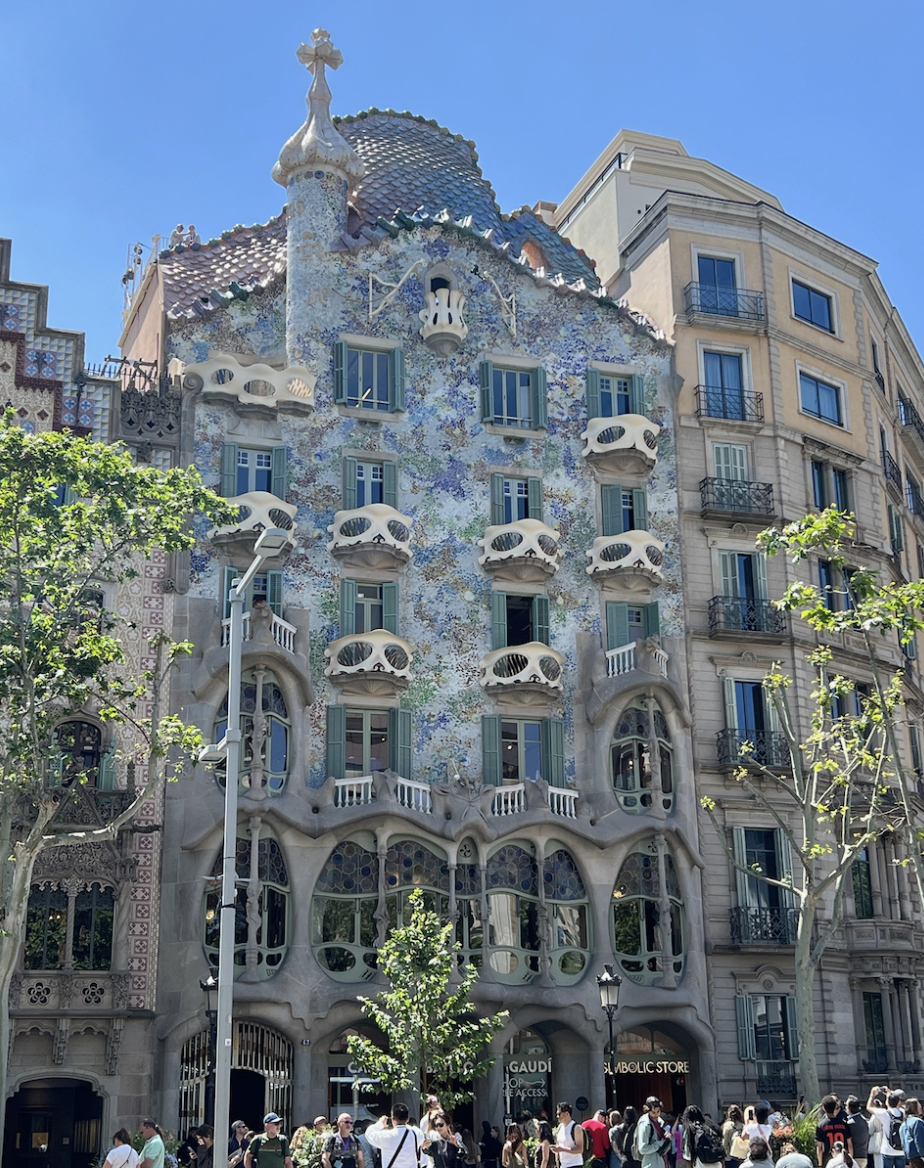
The anniversary gives us the opportunity to celebrate Gaudí's greatest achievement - the extraordinary, unparalleled Sagrada Familia - AND that his legacy was not that single building. Many destinations have famous architects and landmark structures.
Gaudí created a visual language so distinctive and even other-worldly that it became the visual and cultural identity of an entire city.
Just one hundred years after his death, a 2000-year-old city can’t be imagined without the vision and cultural signature Gaudí imprinted on this Mediterranean coastal city.
START YOUR TRIP!
Top images from video courtesy of Sagrada Familia
Bottom Image and story: Lynn Elmhirst, cruise/ travel journalist and expert
All rights reserved. You are welcome to share this material from this page, but it may not be copied, re-published, broadcast, rewritten or redistributed.
by Lynn Elmhirst on 06/11/2026
 Shawna Schrank
Sign up for our newsletter to learn about the latest product news and deals. Also receive exclusive offers, contest details and giveaways.