
We love Tuscany, too. But Italy has 20 wine-producing regions. Why should Chianti have all the fun? Head north, east, and very south from Tuscany for three deliciously different wine adventures.
Tuscany has become almost shorthand for Italian wine travel: cypress-lined roads, Renaissance hill towns, vineyard-covered hills and a glass of Chianti waiting at lazy sun-drenched lunches and on terraces at sunset.
Now that’s the Dolce Vita. But perhaps it’s time to stop giving Tuscany all the love.
Every one of Italy’s 20 regions produces wine, and some of the country’s most memorable wine experiences lie well beyond the usual Tuscan trail. You can sip Barolo within sight of the Alps, follow Italy’s original wine road through Prosecco country, or taste wines grown in the black volcanic soil of an active volcano.
Consider this your three-glass introduction to another side of Italian wine country.
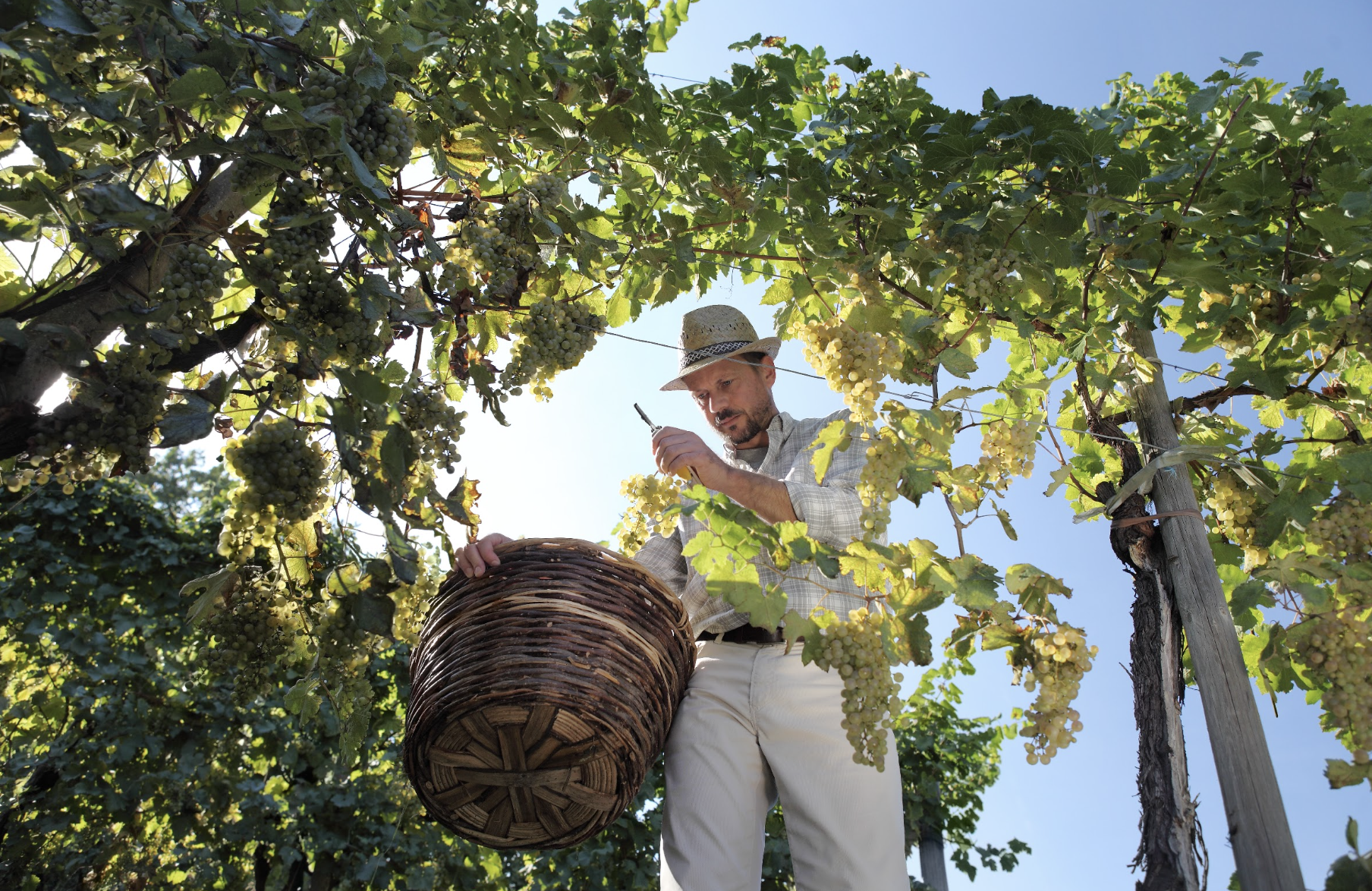
Tucked into northwestern Italy at the foot of the Alps — Piemonte literally means “foot of the mountain” — it’s home to two of Italy’s most prestigious wines, Barolo and Barbaresco, both made from the Nebbiolo grape.
Make Alba your base. The handsome small city is surrounded by the UNESCO-listed vineyard landscapes of the Langhe, where rolling hills are quilted with vines and topped with medieval villages and castles.
This is slow-travel country: winding roads, family wineries, long lunches and very little incentive to hurry.
Especially in fall, when Alba celebrates its famous white truffles and the vineyards turn gold. Barolo and truffles on an autumn afternoon in Piedmont? Sometimes travel really is as good as the brochure promised.
And Piedmont isn’t all serious reds. It’s also home to Moscato d’Asti, delicately sparkling, aromatic and sweet. Apparently even sophisticated friends like to let their hair down.
Venice may be Veneto’s superstar, but head north from the canals, and you’ll discover another of the region’s great liquid attractions.
The Prosecco Hills of Conegliano and Valdobbiadene ripple toward the Dolomites in impossibly green folds. They’re UNESCO-listed, too, and the vineyards can be so steep that much of the work is still done by hand.
Follow the Strada del Prosecco, Italy’s oldest official wine route, through villages and vineyards where Glera grapes become everything from cheerful aperitivo bubbles to more complex Proseccos from prized hillside plots.
But Veneto has another wine personality altogether.

Around romantic Verona and Lake Garda lies Valpolicella country, home to fresh, food-friendly reds as well as Amarone, the region’s rich, powerful wine traditionally made from partially dried grapes.
Bubbles, big reds, Verona, Venice and Lake Garda? Veneto over-delivers on wine tourism and iconic Italian experiences.
For Italy’s wild-card wine adventure, keep heading south, and overwater across the Strait of Messina.
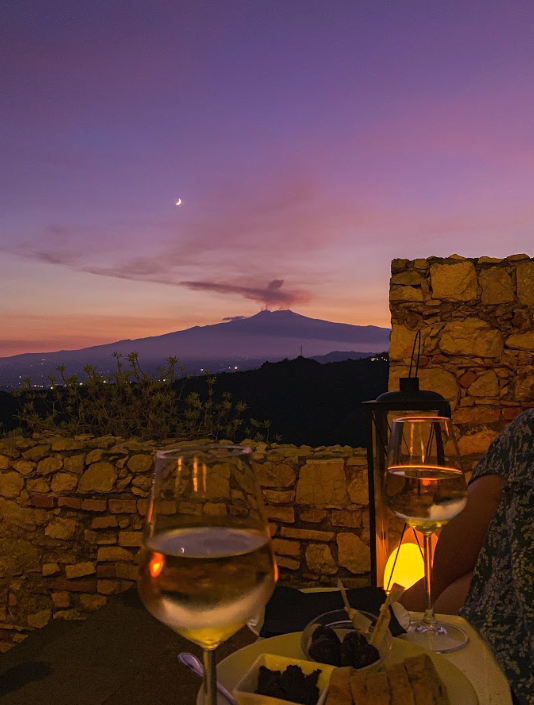
Sicily combines ancient winemaking traditions, indigenous grapes, and landscapes that can be wonderfully dramatic. And nowhere is that more obvious than Mount Etna.
Vineyards climb the dark slopes of Europe’s highest active volcano, where altitude, lava-derived soils and dramatic temperature changes help create remarkably distinctive wines.
Nerello Mascalese is the red grape to remember; Carricante is one of Etna’s white stars. Some vines are remarkably old, partly because volcanic, sandy soils helped protect vineyards from phylloxera, the pest that devastated much of Europe’s wine country in the 19th century.
But Etna is only one chapter of Sicily’s wine story. Look for Nero d’Avola, elegant Frappato, historic Marsala, and wines from Sicily’s smaller offshore islands.
And admit it: the vacation story you want to share is “I spent the afternoon wine tasting on an active volcano.”
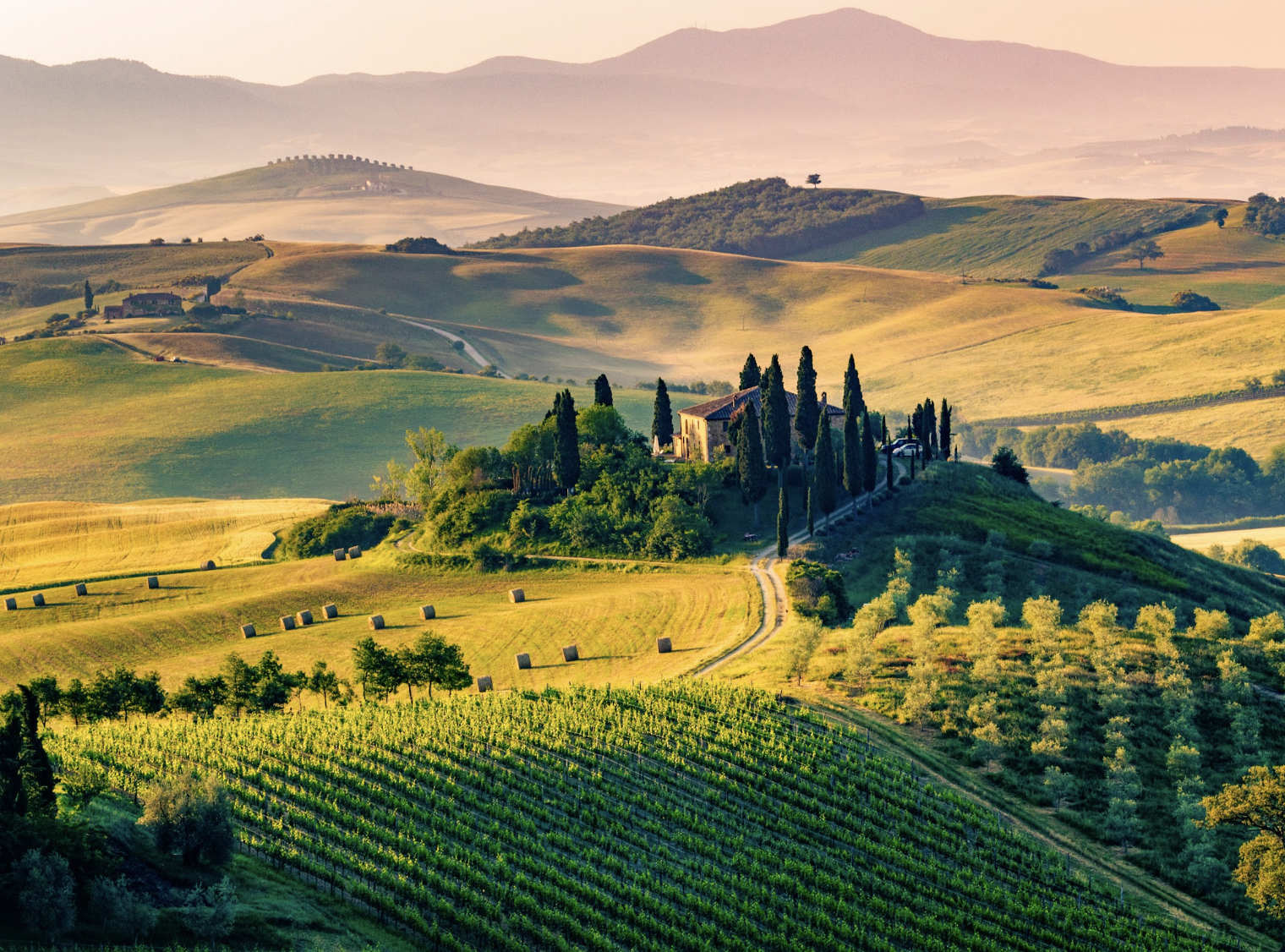
None of this means breaking up with Tuscany. Chianti, Brunello and those glorious Tuscan landscapes aren't going anywhere.
Just consider seeing other wines. And exploring all of Italy one wine region at a time.
START YOUR TRIP!
Images: Getty
All rights reserved. You are welcome to share this material from this page, but it may not be copied, re-published, broadcast, rewritten or redistributed.
by Erika Docor on 09/24/2026
Caribbean cruising - and beyond! - may have changed forever. Royal Caribbean Group -which also owns Celebrity Cruises and Silversea - and Sandals Resorts International announced that the cruise company has purchased 50% of the Caribbean all-inclusive resort chain.
It's a deal worth 3 billion USD, and it's sending a tidal wave through both the cruise and all-inclusive resort worlds.
Here's why it's a gamechanger for any cruise traveler on Celebrity Cruises, Royal Caribbean, or Silversea. Or people who love high-end, all-inclusive resorts but have maybe never tried a cruise!
WATCH THIS VIDEO: I'm interviewed by travel trade insider publication Open Jaw, unpacking this huge development in cruise and land vacations. Click here to watch.
This is a game-changer for cruise travelers – and those who love all-inclusive resorts but may never have cruised.
Although the companies haven’t yet specified exactly how the new relationship will play out for travelers, it opens the door to incredible possibilities, especially given some of Royal Caribbean Group’s other recent moves.

Their joint media release provides some tantalizing hints, saying the new partnership will allow the two companies to: “broaden distribution, deepen guest engagement, and make it easier for travelers to discover vacation experiences offered.” The release also, intriguingly, mentions Royal Caribbean’s cross-brand loyalty program!
Packaging seamless ship + shore vacations, where guests can embark on a cruise for a week, and disembark on a Sandals island for another week of a beach vacation, whether it’s an adults-only Sandals, or a family-friendly Beaches destination;
And even
The two companies may develop new beach properties - in the Caribbean and globally, expanding the Sandals brand beyond its Caribbean home for the first time! - that are purpose-built to accommodate guests on a beach day shore visit or week-long all-inclusive stay - or both!
And how about
We’ll have to wait for further announcements to see exactly how these two storied travel brands will play together in the years to come. The companies' media release says the deal is expected to close in early 2027. Both industries are long games, where big builds (ships, properties) don’t happen overnight.
If these ideas are on track, the two brands may also have to figure out how to integrate visiting cruise guests with resort guests without stepping on toes. Not to mention, there are currently 18 Sandals adults-only resorts, compared to only 2 Beaches resorts that welcome kids.
But Royal Caribbean may have just upped the ante for other big cruise companies to find their own land partners to give guests new experiences, opportunities for extended cruise + land vacations, and find new potential cruise guests among land resort guests!
By: Lynn Elmhirst, cruise/ travel journalist and expert
Images courtesy of Royal Caribbean Group/ Sandals
All rights reserved. You are welcome to share this material from this page, but it may not be copied, re-published, broadcast, rewritten or redistributed.
by Erika Docor on 09/24/2026
Many cultures have fall festivals, but only one makes the arrival of astronomical autumn a national holiday: Shubun no Hi. What’s more, Japan does it twice a year, also making March’s Vernal Equinox Day the holiday Shunbun no Hi.
Shubun no Hi, or Autumnal Equinox Day, falls around September 22 or 23, when the sun crosses the celestial equator and day and night are equal in length.
We may pull on a sweater in a new palette of colors and order the first pumpkin-spiced something of the season. Japan’s observance of this astronomical milestone reflects the country's steadfast relationship with the seasons — and, for travelers, offers an opportunity to experience Japanese culture at a particularly meaningful time of year.
Move over cherry blossoms. Seasonal holidays like Shubun no Hi can be equally colorful and symbolic of Japanese history and culture.
Modern Japan's Autumnal Equinox public holiday is designated as a day to "honor one's ancestors and remember those who have passed away."
Its roots are more evocative.
The equinox falls in the middle of a seven-day Buddhist observance called Higan, celebrated around both the spring and autumn equinoxes. The name can be translated as "the other shore" — a Buddhist metaphor for crossing from this earthly world to enlightenment.
A beautiful piece of symbolism connects that idea to the equinox. The sun rises due east and sets due west at this time of year, and in some Japanese Buddhist traditions, the western direction is associated with the Pure Land of Amida Buddha. The symbolism of the equinox helped make it a particularly significant time for spiritual reflection and remembering the dead.
Don't expect parades, fireworks, or streets decorated for Shubun no Hi. Or even picnics under blooming cherry trees. It’s not a party atmosphere, but a quieter, more subtle cultural phenomenon.
The equinox also signals a scenic treat for travelers: the beginning of autumn in Japan. For peak fall foliage early in the season, you’ll have to get out of the tourist hotspots - in northern Japan and at higher elevations, the transformation of forests, mountainsides, and gardens to gold and scarlet can already be getting underway.
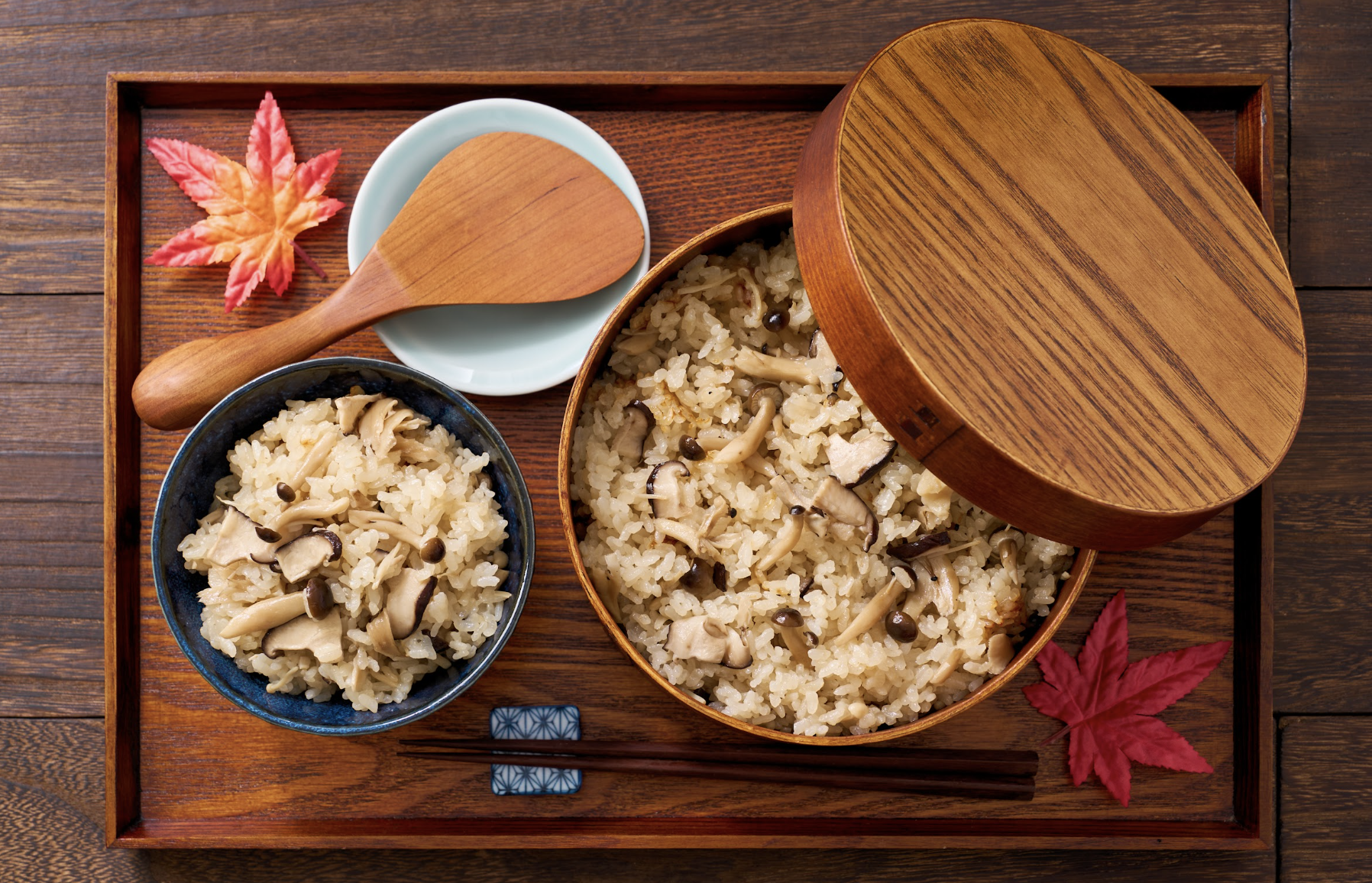
Autumn leaves reappear folded around food, dancing on seasonal textiles and ceramics, as Japanese embrace the changes of the season.
The cooler days make Japan’s humble soba noodle soup dishes, hearty fall mushroom rice bowls and warming hot pot dinners delicious ways to celebrate autumn in Japan, too.
START YOUR TRIP!
Images: Getty
Story: Lynn Elmhirst, cruise/ travel journalist and expert.
All rights reserved. You are welcome to share this material from this page, but it may not be copied, re-published, broadcast, rewritten or redistributed.
by Erika Docor on 09/24/2026
Two new Caribbean resort openings show travelers just how far the concept of the all-inclusive holiday is stretching, with lifestyle hotels translating their unique identities into all-inclusives and focusing less on buffets and the beach and more on wellness retreats, culinary travel, and immersive cultural experiences.
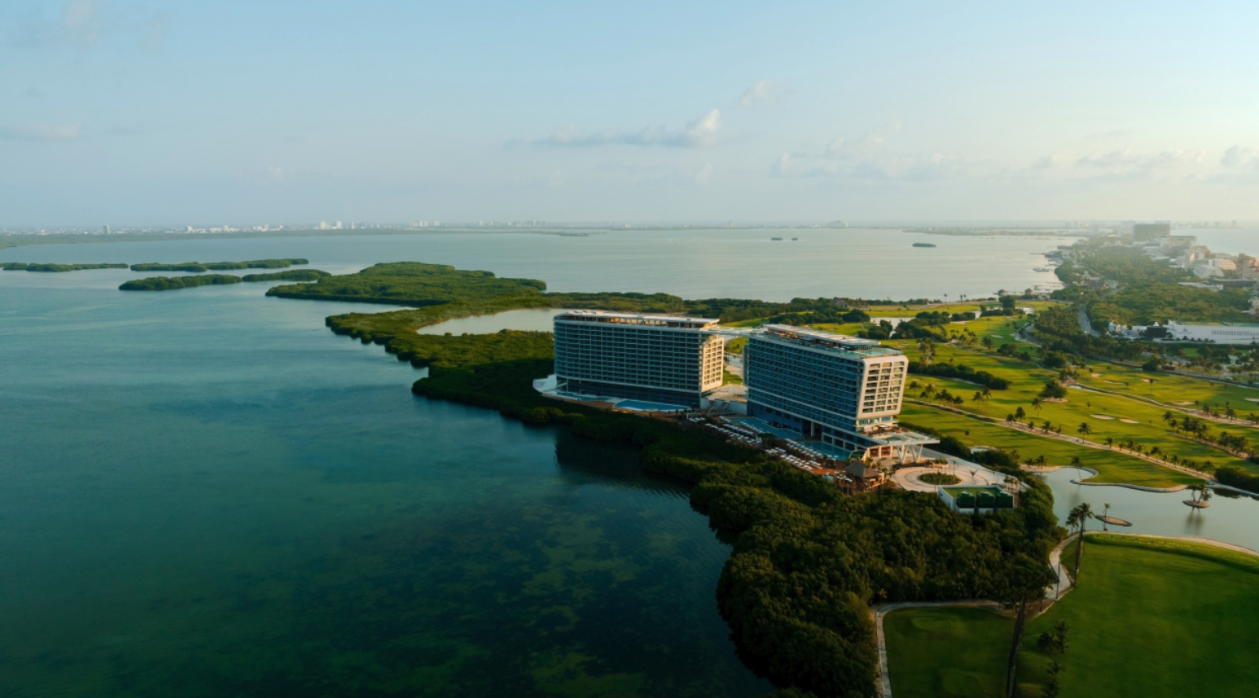
In Cancun, Mondrian is taking its famously design- and culture-driven hotel concept all-inclusive for the first time.
Meanwhile, in the Dominican Republic, the new adults-only Hyatt Vivid Punta Cana puts wellness, flexibility, social connection, and local culture at the heart of its interpretation of the all-inclusive vacation.
In other words, the wristband — literal or metaphorical — no longer has to define the experience.
The new Mondrian Cancun represents a significant crossover: a brand best known for stylish urban and resort hotels in places like Los Angeles, Miami, Cannes, Ibiza, Singapore and Hong Kong is entering all-inclusive territory, starting in Mexico.
Its 400 rooms and suites occupy a high-rise between the Caribbean Sea and Nichupté Lagoon, with contemporary interiors designed to keep the surrounding landscape in the spotlight.
But the bigger story is what Mondrian is bringing to the all-inclusive model: the social energy, design, dining, and nightlife of one of its landmark lifestyle hotels.
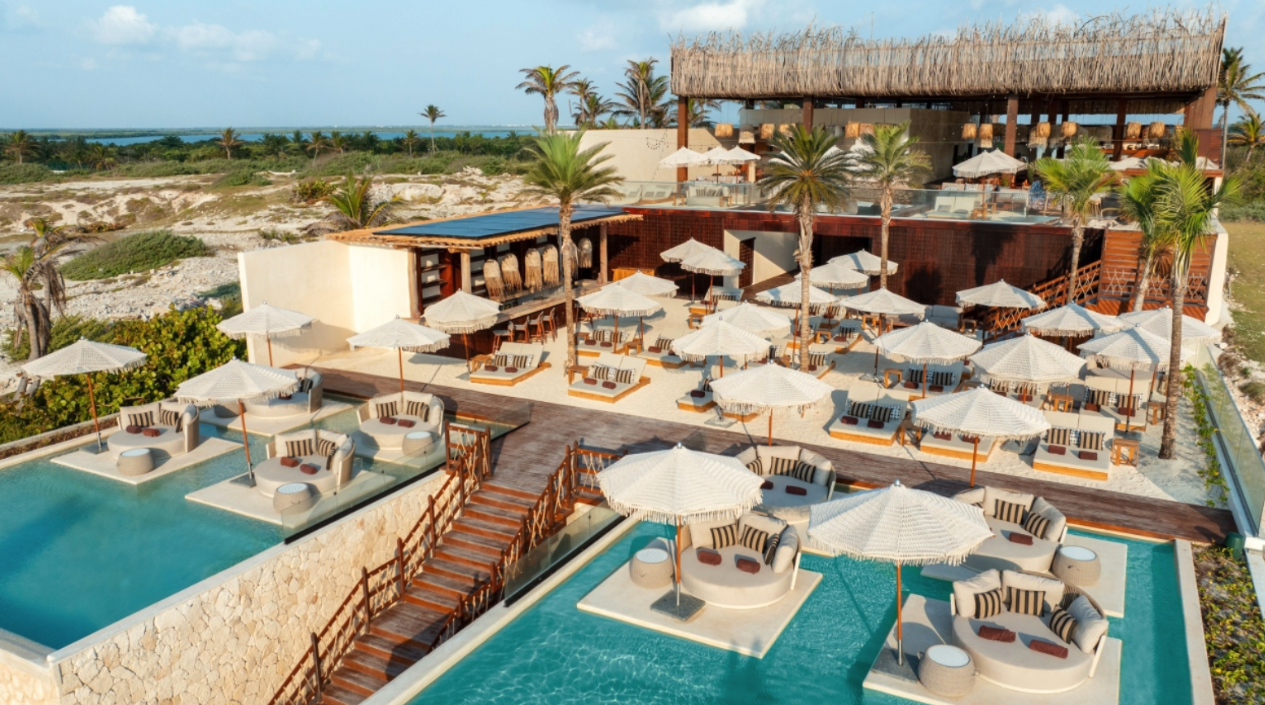
There are 10 dining venues and six bars, ranging from Mexican cuisine at Cuyo and Japanese fare at Niko to casual food-truck bites. Allegra features what the resort says is Cancun’s longest rooftop infinity pool, while Bungalow Beach Club gives guests a separate private beachfront playground reached by complimentary shuttle.
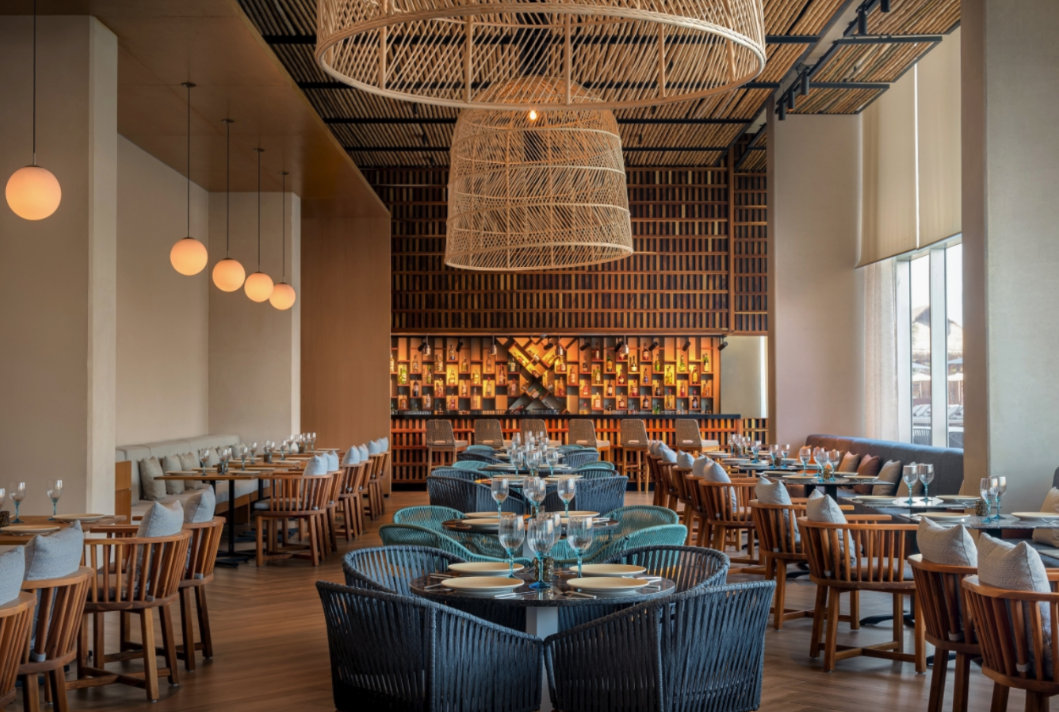
Entertainment stretches from mindful movement and wellness to live music, DJ sets and curated events. Mondrian+ takes things further with top-floor accommodations, wraparound terraces, butler service, private check-in, preferred beach-club seating and exclusive rooftop facilities.
And the resort isn’t finished. A later phase is expected to add an expanded spa and fitness center, teens club, steakhouse and Cuban-inspired sunset bar.
It’s an all-inclusive resort behaving very much like a contemporary lifestyle hotel.
Over in the Dominican Republic, Hyatt Vivid Punta Cana takes a different route to the same destination: making all-inclusive feel less packaged and more personal.
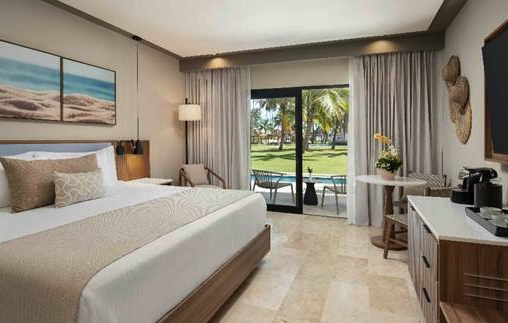
The new 467-room, adults-only beachfront resort at Cabeza de Toro is the first Hyatt Vivid in the Dominican Republic and is aimed at what Hyatt calls “social explorers” and “conscious connectors” — travelers who want plenty to do without feeling scheduled from breakfast to bedtime.
Its programming revolves around three ideas: flow, encompassing movement and wellness; discovery, connecting guests with local culture; and presence, emphasizing mindfulness and relaxation.
That translates into paddleboard yoga followed by wellness-focused nutrition, Dominican coffee “brew sessions” with healthy bites and DJs, stargazing, creative workshops, live music, and spa rituals featuring local cacao and tropical fruits.
Food is similarly flexible, with five à la carte restaurants, an international food hall, bar and grill, wellness café, seven bars and lounges — plus a hidden speakeasy guests can unlock through a creative workshop.
There’s also a notable emphasis on place. Dominican coffee, ingredients, art, music and traditions appear throughout the experience, pushing back against another old criticism of all-inclusives: that you enter a gated resort once and barely know what country you’re visiting.
These two new resorts aren’t identical — and that’s the point. Beyond the convenience of pre-purchasing almost every element of your vacation, all-inclusives are getting more specialized and sophisticated, not more cookie-cutter.
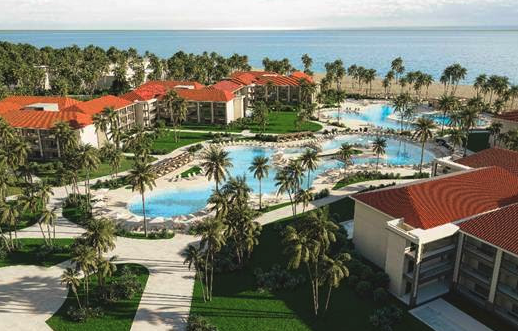
Mondrian is serving up its signature design, dining, nightlife and creative culture. Hyatt Vivid emphasizes wellness, spontaneity, social experiences, and local connections.
Increasingly, travelers are choosing an all-inclusive not simply because everything is included, but because what’s included reflects how you actually want your beach vacation.
START YOUR TRIP!
Images of Mondrian Cancun courtesy of Ennismore/Mondrian
Images of Hyatt Vivid Punta Cana courtesy of Hyatt Hotels
All rights reserved. You are welcome to share this material from this page, but it may not be copied, re-published, broadcast, rewritten or redistributed.
by Erika Docor on 09/09/2026
Christopher Nolan’s The Odyssey put one of the world’s oldest travel stories back on the big screen in 2026—and launched Greek voyages back into our travel imaginations. It might be the year’s biggest inspiration for ‘set-jetting': planning your own dramatic exploration of Greece inspired by the film.
Homer’s epic follows Odysseus making his way on a ten-year voyage home across a mythical Mediterranean world of islands, storms, temptations, monsters and gods. Nearly 3,000 years later, real-life Greece is less dramatic, but a bucket-list odyssey of your own.
Nolan filmed part of his colossal new movie in Greece, especially in the Peloponnese, using real landscapes to bring Homer’s mythical world to life on screen.
You don’t have to follow Odysseus’ route literally. And fortunately, modern Greek island-hopping involves fewer monsters!
Even if you don’t specifically take a cruise to discover Greece, discovering parts of this nation of over 200 inhabited islands (and thousands more uninhabited) will involve time on the water, so you can channel your inner Odysseus.
If you close your eyes and picture a Greek island, chances are you’re picturing Santorini.
Whitewashed villages spilling down cliffs, blue-domed churches, narrow lanes, and the brilliant Aegean below have made Santorini one of Greece's defining images.
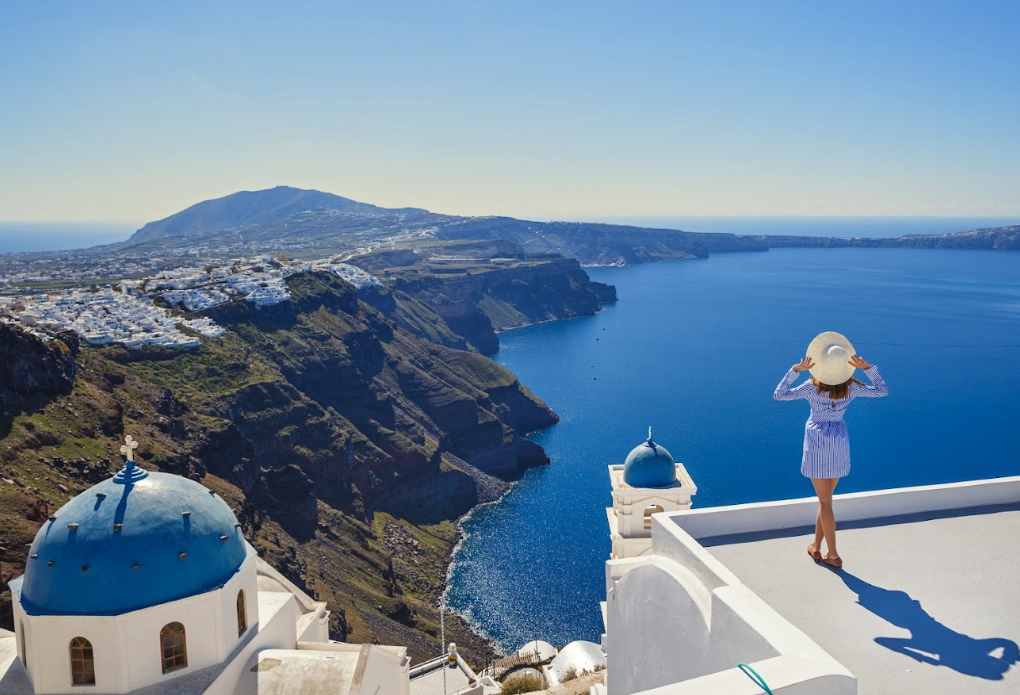
But its beauty was born from geological violence worthy of Greek mythology.
Santorini is what remains after an enormous ancient volcanic eruption transformed the original island. Today, a crescent of towering cliffs surrounds a flooded caldera, so arriving by sea means sailing directly into the remains of a volcano.
Odysseus had monsters. Santorini has geology.
The island capital, Fira, clings to the cliff high above the water, while Oia has become famous for sunsets that bring half the island to a standstill.
My Favorite Things: Santorini’s black- and red-sand beaches, intensely flavored tomatoes and capers, and Assyrtiko wines. The vines are traditionally trained close to the ground in basket-like shapes to protect them from island winds.
Not every Greek odyssey has to be ancient.
Cosmopolitan, fashionable and unapologetically social, Mykonos combines Greek-island scenery with Ibiza energy and a touch of French Riviera glamour. Beach clubs, stylish hotels, boutiques, restaurants and nightlife have made it one of the Mediterranean’s great see-and-be-seen destinations.
If Circe had run a beach club, it might have looked something like Mykonos.
But step away from the party and the island has plenty of character of its own.
Mykonos is nicknamed the “Island of Winds,” and its historic windmills remain defining features of the landscape. Built centuries ago to harness those powerful breezes and grind grain, they still overlook the town like sentries from another era.
The main town, also known as Chora, is a maze of whitewashed buildings and twisting lanes where getting lost is almost part of the experience.
Odysseus took ten years to find his way home. Give yourself at least an afternoon.
My Favorite Things: Little Venice, where rows of colorful old houses with balconies hang over the water and now contain cafés, bars, shops and galleries. It’s one of the island’s best sunset spots—and unlike Odysseus, you can enjoy yours with a stylish cocktail.
If The Odyssey leaves you craving monumental history, add Rhodes to your voyage.
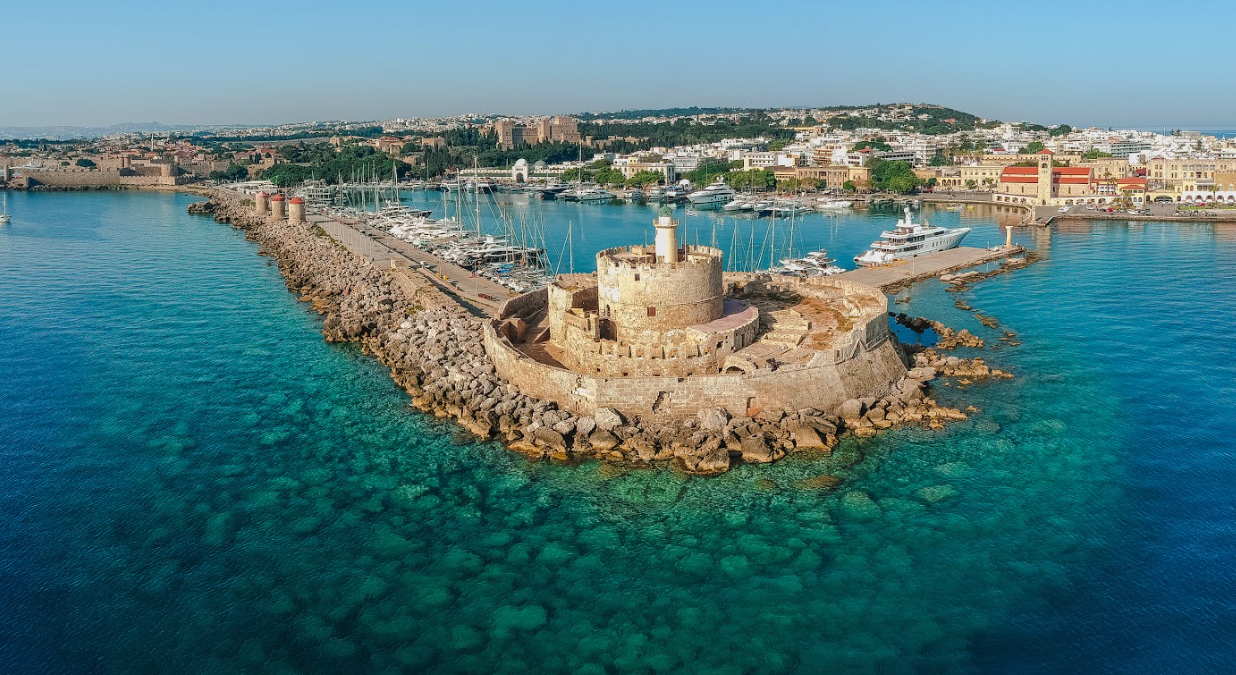
Known as the Island of the Knights, Rhodes has one of Europe’s most impressive surviving medieval cities. Its UNESCO-listed Old Town is surrounded by huge fortifications built and expanded over centuries.
Walk the Street of the Knights toward the Palace of the Grand Master and the Middle Ages suddenly feel very close.
But Rhodes’ story reaches much further back.
In antiquity, its strategic location made it an important maritime and commercial power. Its greatest symbol was the Colossus of Rhodes, one of the Seven Wonders of the Ancient World.
The enormous bronze statue stood for only decades before an earthquake toppled it, but even lying in ruins, it remained a tourist attraction for centuries.
Ancient travelers, apparently, also loved a famous landmark.
The popular image of the Colossus straddling Mandraki Harbour with ships sailing between its legs is almost certainly more legend than history. Today, two deer-topped columns stand at the harbor entrance, keeping the story alive.
My Favorite Things: Rhodes’ beaches and wine. The island has one of Greece’s oldest winemaking traditions, while its greener, mountainous interior is a surprising contrast to the fortified city and resort-lined coast.
To connect your trip more directly with Nolan’s film, leave the islands temporarily and head to the Peloponnese, a rugged peninsula on the south coast of mainland Greece.
Around Messinia, filming took place at dramatic locations including horseshoe-shaped Voidokilia Beach and nearby Nestor’s Cave, while other Greek locations such as Methoni Castle and Acrocorinth helped create the film’s ancient world.
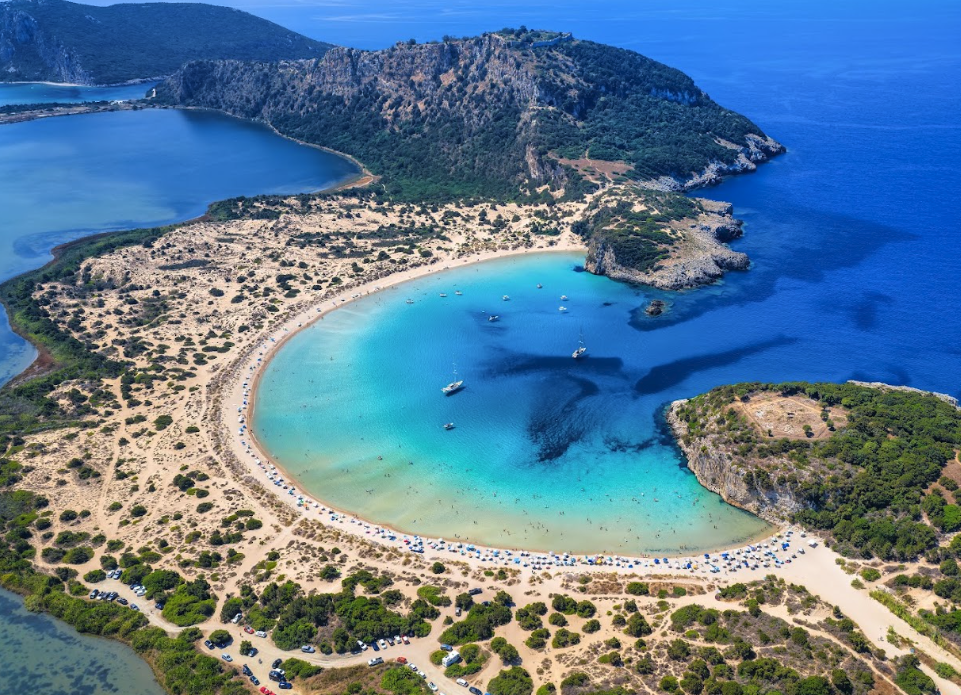
Ancient ruins, medieval fortresses, olive groves, caves and beaches still occupy the same landscapes that inspired stories thousands of years ago.
Homer’s hero spent ten years trying to get home. Your problem may be forcing yourself to leave Greece.
START YOUR TRIP!
By: Lynn Elmhirst, cruise/ travel journalist and expert
Images: Getty
All rights reserved. You are welcome to share this material from this page, but it may not be copied, re-published, broadcast, rewritten or redistributed.
by Erika Docor on 09/09/2026
Vienna has spent centuries perfecting the art of living well. Coffee and cake in chandeliered cafés. Music, art and architecture on an imperial scale. And, increasingly, some serious pampering behind the doors of the Austrian capital’s luxury hotels.
But these days, “wellness” during your trip to Vienna can involve much more than a massage.
The city’s luxury hotel spas still deliver plenty of old-school indulgence, often in spectacular historic surroundings. At the same time, a new generation of wellness centers inside luxury hotels and beyond is introducing longevity-focused experiences like cryotherapy, red light and oxygen therapies, infusions, genetic testing, and even brain-health analysis.
In other words, you can come to Vienna for the fairytale Baroque design and history – and stay for the biohacking.
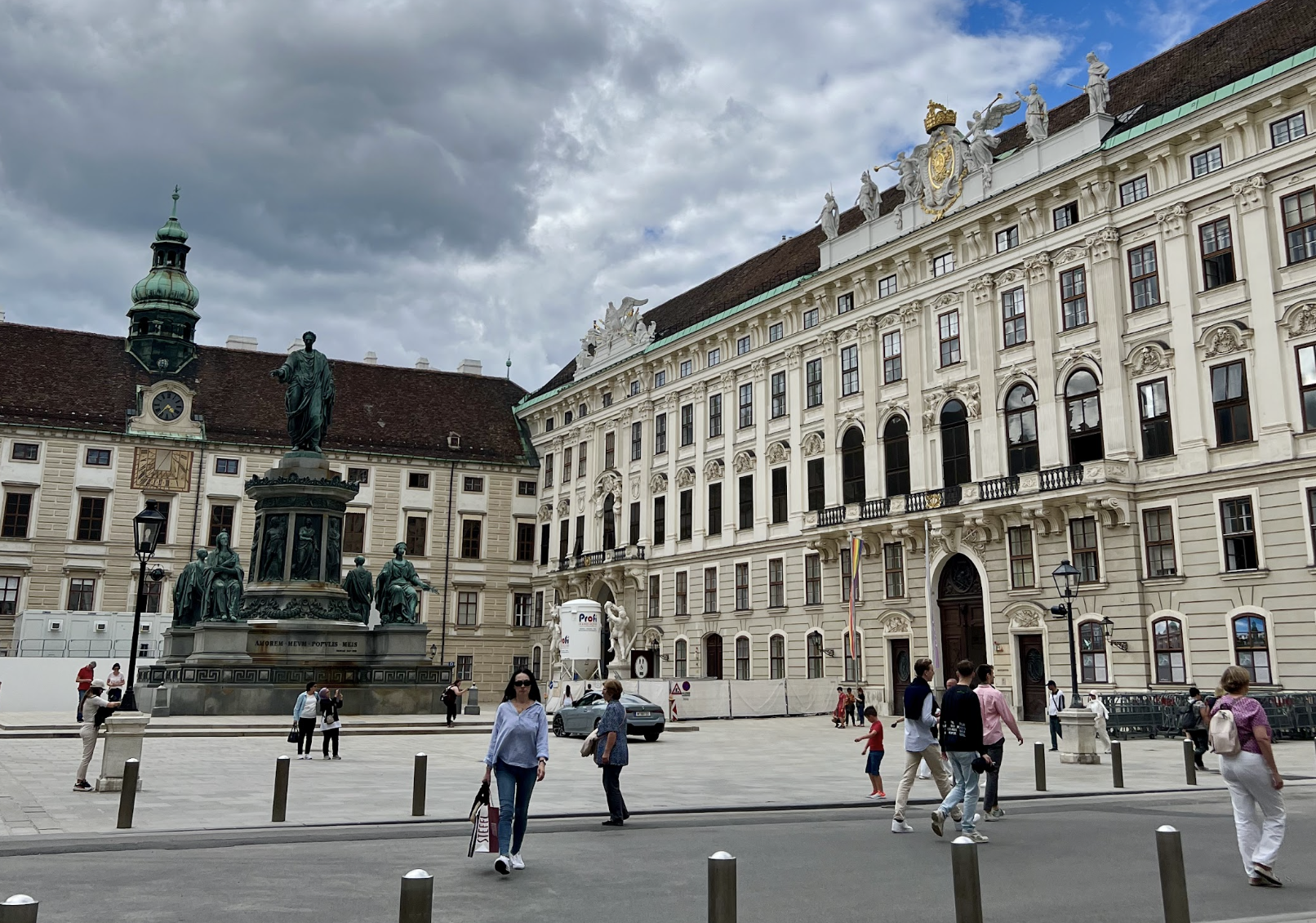
Vienna’s spa scene starts exactly where you might expect: in some of the city’s most storied hotels.
At Mandarin Oriental, Vienna, a meticulously restored Art Nouveau landmark conceals a 7,500-square-foot spa with a 43-foot heated indoor pool. Treatments draw on Traditional Chinese Medicine, while “The Artisan” turns the European sauna tradition into a three-hour ritual of aromatic infusions, steam exfoliation, and traditional sauna whisking.
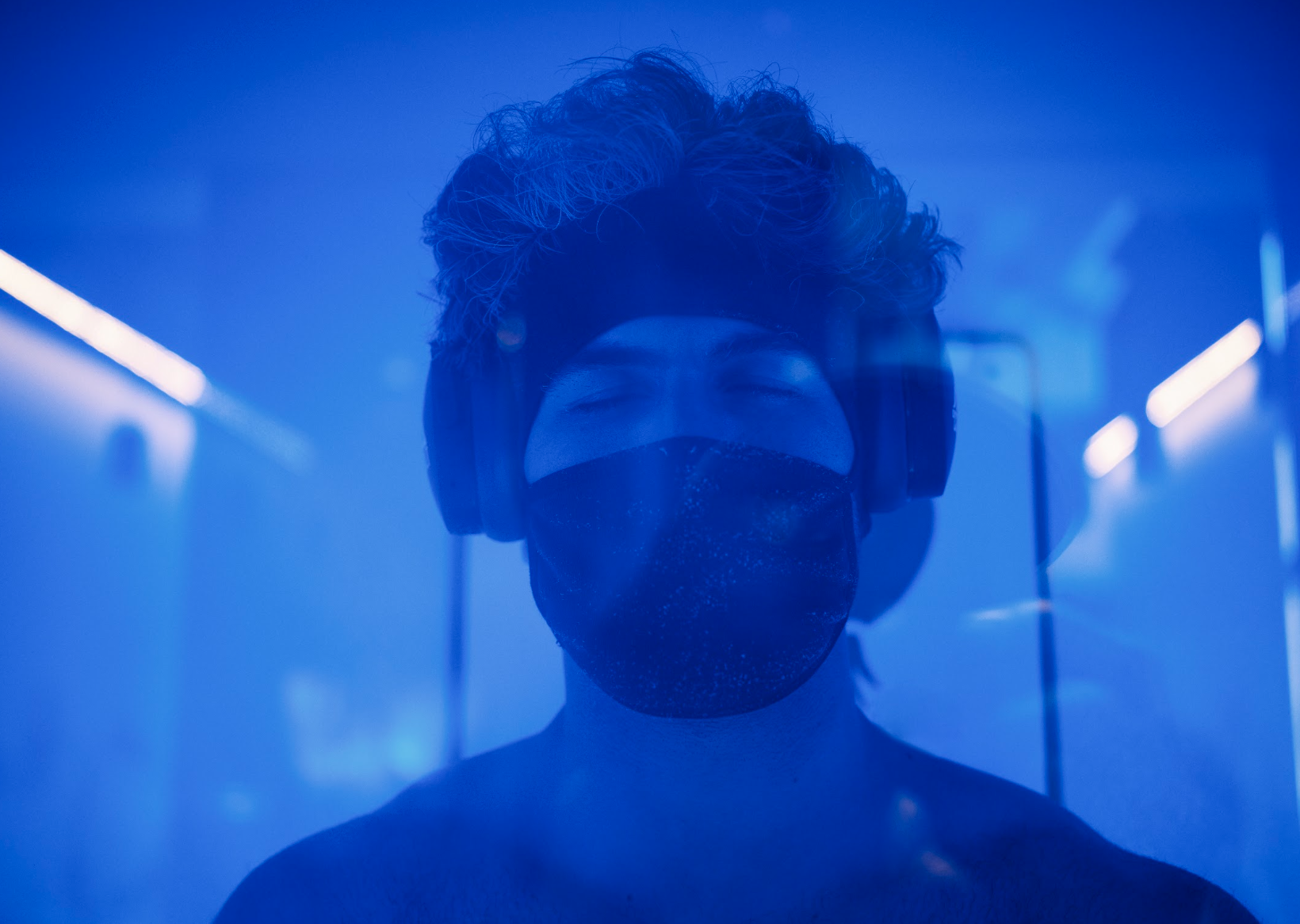
The setting is even more unexpected at Park Hyatt Vienna’s Arany Spa, tucked into the former vaults of a historic bank. Beneath soaring ceilings, guests swim laps in a 49-foot pool accompanied by underwater music. “Arany” means gold in Hungarian, inspiring the spa’s gold-infused signature treatments. But here, tradition is already meeting the new wellness frontier: the spa has added a cryotherapy chamber.
At Anantara Palais Hansen Vienna, the 1873 palace now houses an 8,600-square-foot spa with a hydrotherapy pool, saunas, a steam room, treatments, and fitness facilities. Guests who prefer wellness in the fresh air can choose among three recommended running routes directly from the hotel.
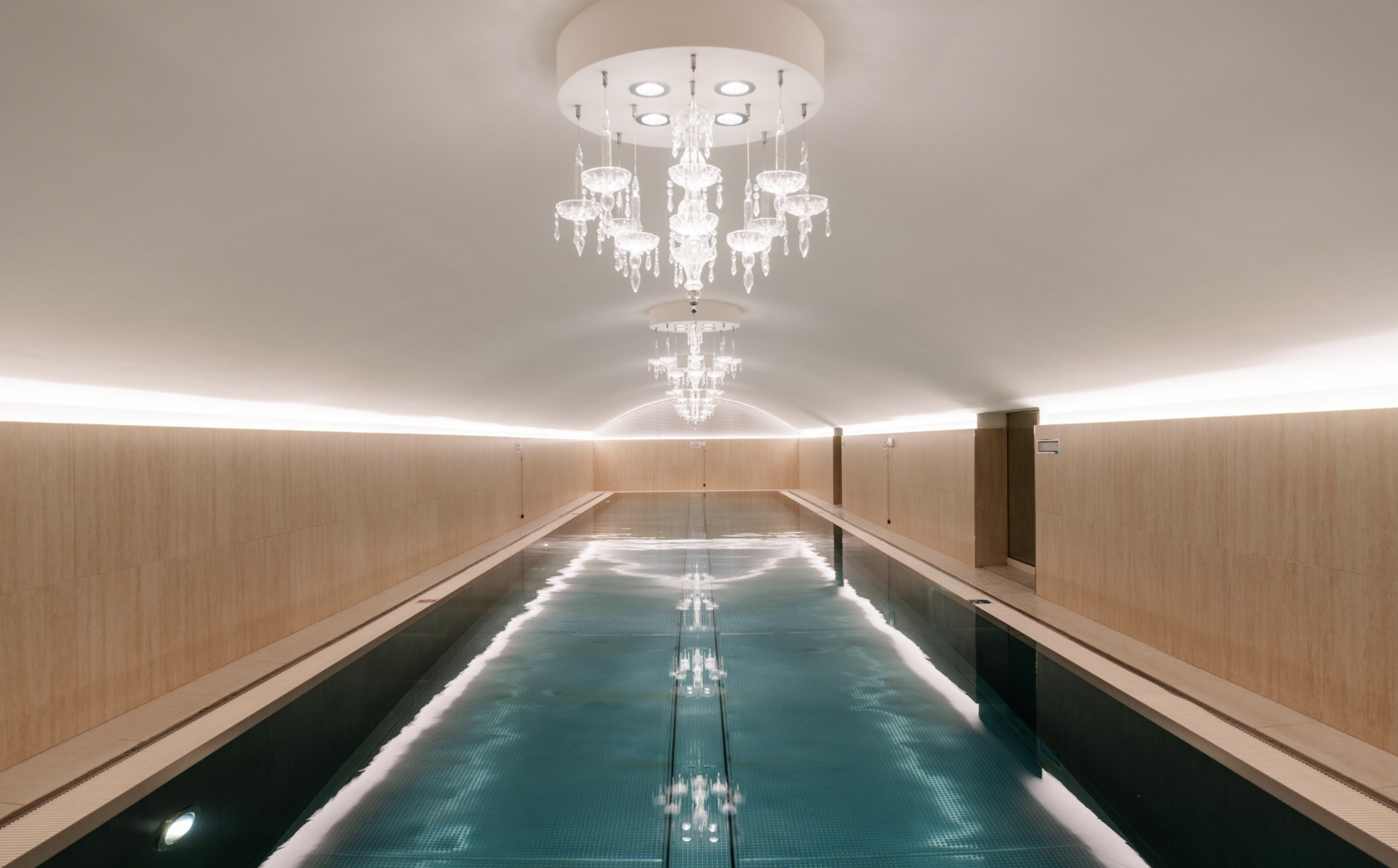
Hotel Sans Souci Vienna makes another kind of splash with what it says is Vienna’s longest hotel pool: 66 feet, dramatically illuminated by crystal chandeliers. Saunas, steam, ice treatments and an extensive massage menu round out the experience.
Meanwhile, Almanac Palais Vienna gives the traditional facial a distinctly modern vocabulary. Its “Viennese Lift & Glow Ritual” combines gua sha, cupping, dry brushing and cryo massage.
And at boutique The Amauris Vienna, the pool sits beneath a glass roof in an interior courtyard. Treatments play with color, scent and sound, and the spa is reserved exclusively for hotel guests – making it one of the city’s more private wellness retreats.
Beyond Vienna’s hotel spas, wellness is taking an even more ambitious turn.
“Longevity” has become one of the hottest concepts in global wellness travel. The idea is no longer simply to relax during a vacation, but to use diagnostics, technology, nutrition, and targeted therapies to improve long-term health – and potentially extend the number of years we remain healthy and active – and traveling!
Vienna is becoming an interesting urban hub for that trend.
Biogena Plaza, which calls itself a “Luxury Health Day Spa,” has locations on Operngasse and Mariahilfer Strasse and is deliberately accessible to walk-ins. Its menu reads more like something from the wellness future: whole-body cryotherapy, red light, magnetic field and oxygen therapies, lymphatic drainage, bone-density measurements, skin analysis and physician-supervised vitamin infusions and health checks.
Its Operngasse location also incorporates a medical area operated by Mayrlife, bringing diagnostic and preventive approaches based on modern Mayr medicine from the celebrated Austrian health resort into the heart of Vienna.
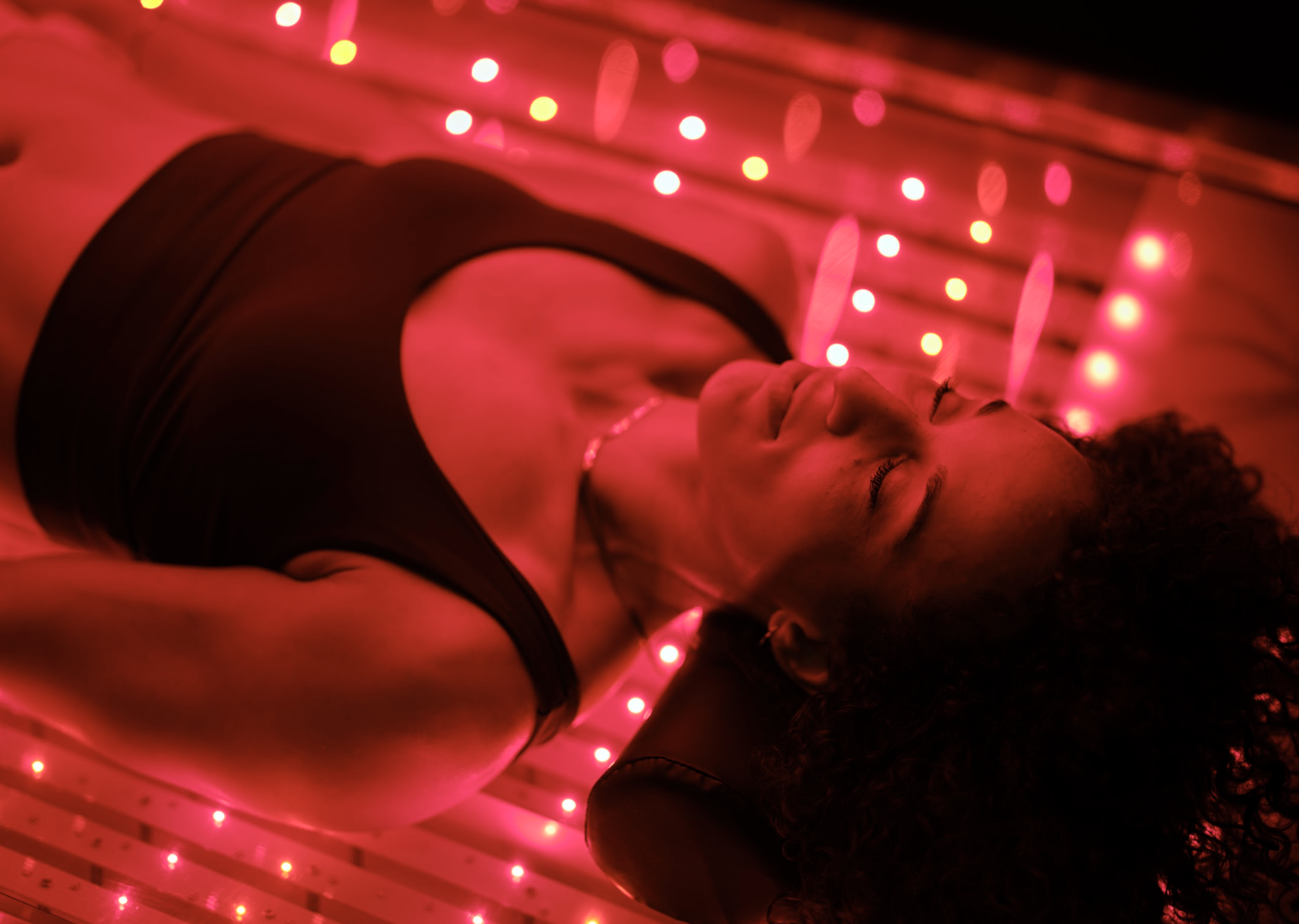
The Longevity Center Vienna pushes even further into the intersection of medicine and technology. In addition to cryotherapy, oxygen and red-light treatments, lymphatic drainage and 3D body scans, it offers dozens of physician-supervised infusions and vitamin shots.
Its particularly intriguing specialty is the brain. The center analyzes brain function, including activity and cognitive responses, to help develop personalized preventive health programs – adding cognitive wellness to the longevity conversation.
At the Healthy Aging Medical Center Vienna, the approach begins deeper still: with genetics and epigenetics. Genetic testing and biological age assessments form the foundation for individualized programs involving nutrition, exercise, and, where medically appropriate, hormone therapies.
But you don’t have to trade a slice of Sachertorte for vitamin shots.
Vienna’s new longevity experiences are appearing alongside the things that have always made the city such an appealing place to spend a few days: culture, cuisine, beautiful hotels and the city’s renowned appreciation for taking time to enjoy life.
Now it helps you make it last longer.
START YOUR TRIP!
Images: Top image: Almanac Palace Vienna Pool, copyright Tony Gigov photography, courtesy Vienna Tourism Board
Hofburg Palace: Lynn Elmhirst, cruise/ travel journalist and expert
Sans Souci’s Pool with chandeliers, copyright Chuttersnap, courtesy Vienna Tourism Board
Cryogenic treatment and Red light therapy: Getty
All rights reserved. You are welcome to share this material from this page, but it may not be copied, re-published, broadcast, rewritten or redistributed.
by Erika Docor on 09/09/2026
Twenty-five years ago, moviegoers got their first glimpse of Middle-earth — and savvy travelers discovered that it looked remarkably like New Zealand.
The Lord of the Rings: The Fellowship of the Ring premiered in 2001, the first chapter of Peter Jackson’s epic trilogy based on J.R.R. Tolkien’s novels. All three movies were filmed back-to-back in Jackson’s native New Zealand, with more than 150 locations eventually used across the North and South Islands.
It wasn’t just hometown patriotism. Jackson had an extraordinary range of landscapes practically on his doorstep waiting to be filmed: pastoral farmland, primeval-looking forests, volcanic terrain, wild rivers and some of the Southern Hemisphere’s most dramatic mountains. It meant multiple realms of Tolkien’s imaginary world could be created within one country - often with surprisingly little digital enhancement - with accuracy that awed even the most critical of ardent fans.
A quarter of a century and a new generation of Lord of the Rings Fans later… these film locations are still a magnet for ‘set-jetters’ today, who are thrilled to track down and escape into their fandom fantasies in the footsteps of the actors.
The Fellowship of the Ring has actually become one of travel’s great examples of “set-jetting,” and fans have a checklist of locations:
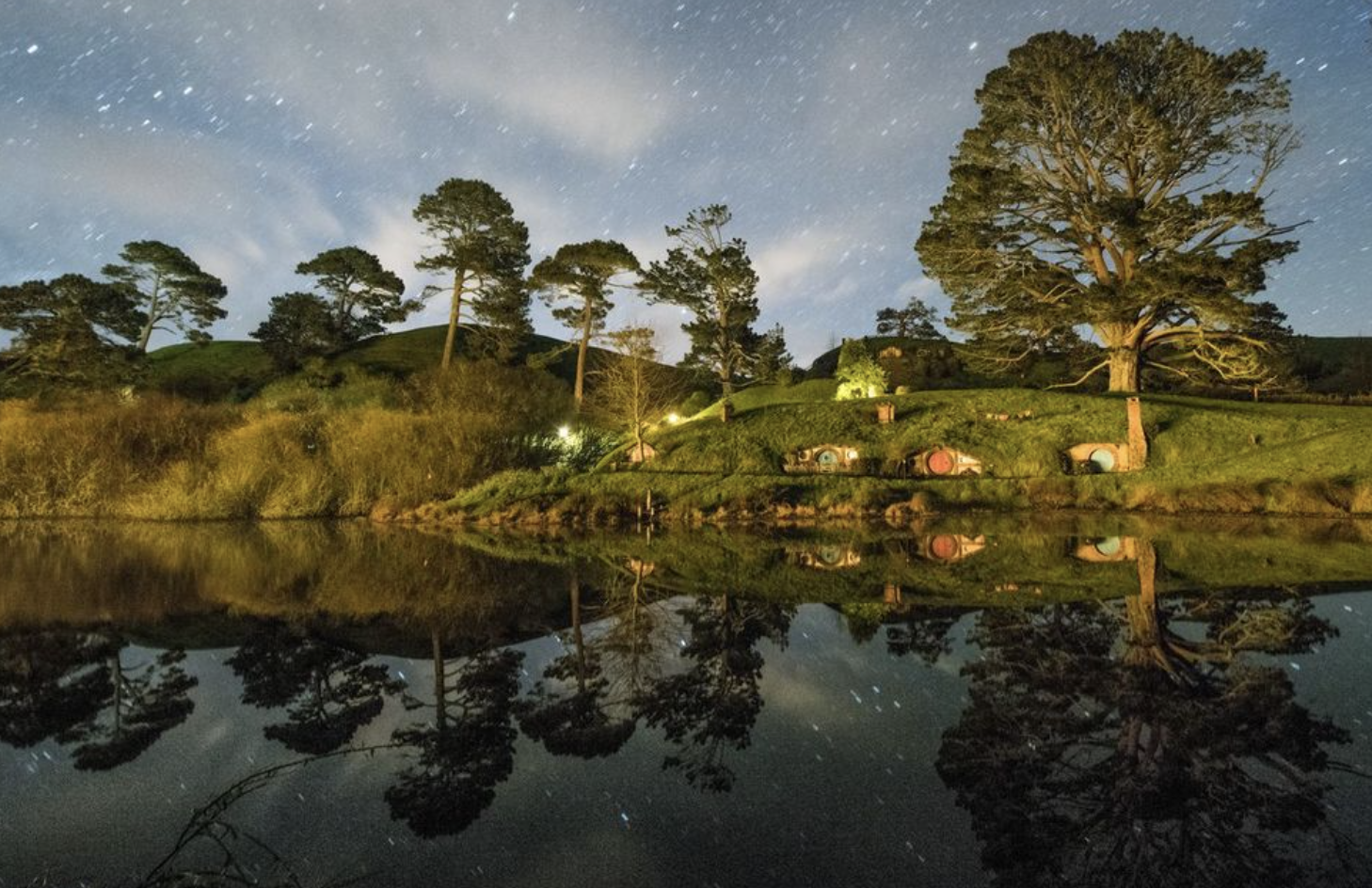
New Zealand has embraced its new identity as the “Home of Middle-earth,” developing new location tours and visitor experiences to celebrate the now-classic film milestone.
For Tolkien fans, that means the 25th anniversary comes with an irresistible proposition: rewatch the movie — then go see how much of Middle-earth was real all along.
New ways to road trip through Middle-earth: Independent travelers can explore the region at their own pace with Tourism New Zealand's Middle-earth Itineraries.
Designed for varying trip lengths and fandom levels, the itineraries include Halfling's Ramble, a North Island route featuring Hobbiton, Tongariro and Wellington; Elven Magic, which blends cinematic landscapes with cultural and scenic highlights; and Wizard's Journey, the ultimate full-country pilgrimage for dedicated fans.
A year of Middle-earth events: Countrywide celebrations will extend well beyond the film locations, with anniversary-themed activations and fan events taking place throughout the year. Festivities begin on International Hobbit Day (September 22, 2026), when fans celebrate the birthdays of Bilbo and Frodo Baggins with special tours, themed dining and festivities at Hobbiton.
Visitors can also attend Candlelight: The Lord of the Rings concerts in Auckland, raise a pint at the annual Hobbiton Beer Festival in November, join the official 25th anniversary celebration on December 19, 2026, or take on the Middle-earth Halfling Marathon on March 20, 2027.
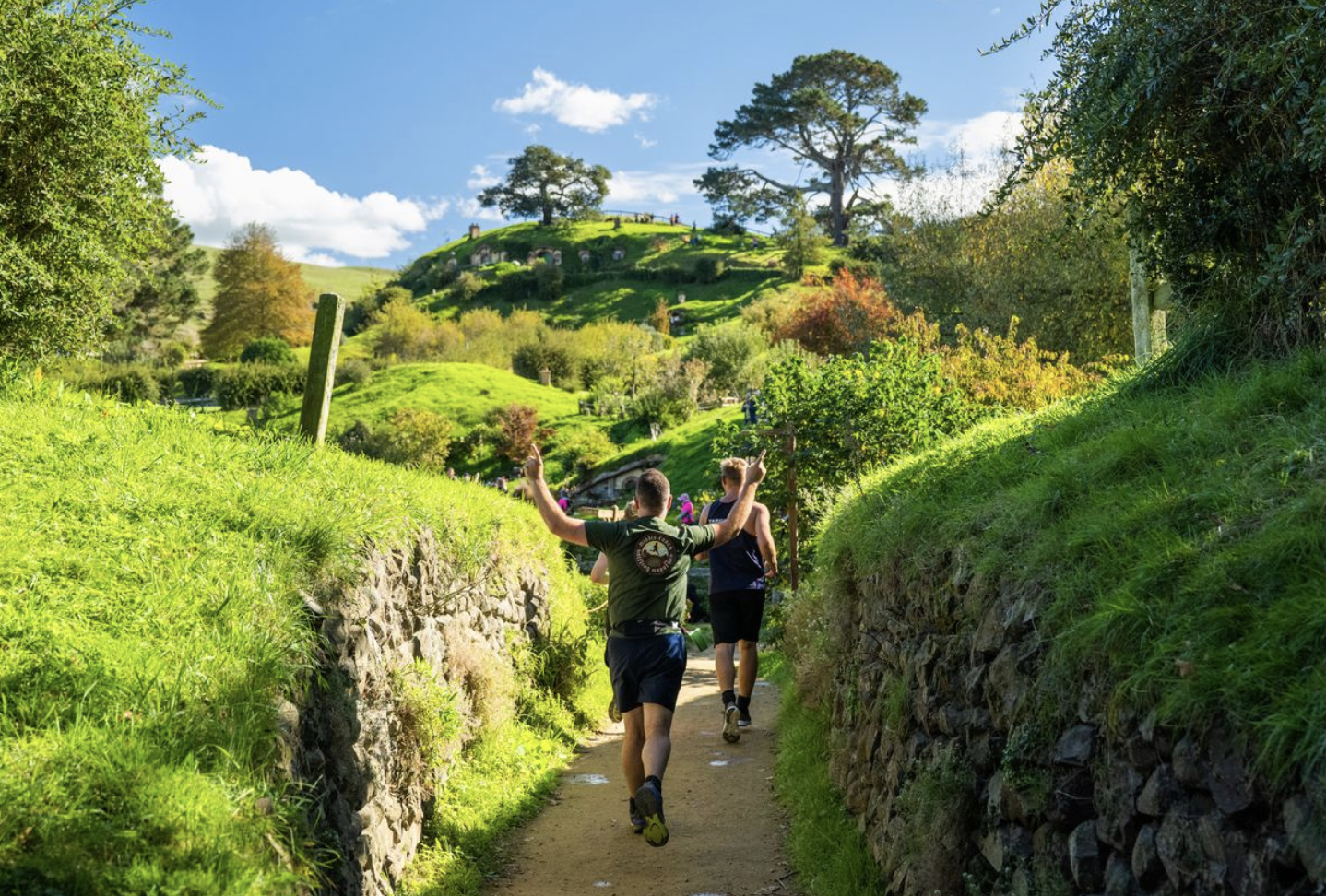
This 25th anniversary year of The Lord of the Rings: The Fellowship of the Ring sets the scene for a new film slated for release in 2027, which brings new reasons for fans to make the journey to the real-life landscapes behind the films.
Of course, there’s an actual New Zealand beyond the appeal of the film version of Middle-earth, and these journeys are a springboard to a real-life New Zealand experience – from hiking, beaches, and wildlife to Māori culture, food and wine, and the country’s cities.
START YOUR TRIP!
Images courtesy of Tourism New Zealand
All rights reserved. You are welcome to share this material from this page, but it may not be copied, re-published, broadcast, rewritten or redistributed.
by Erika Docor on 08/27/2026
What cruises give you the warmest welcome in Europe’s coolest months? River and coastal ocean cruising doesn’t completely stop when the Christmas holidays start. In fact, Europe’s “quiet season” is becoming a season of its own for cruisers.
It’s true that most Christmas markets pack up around Christmas Eve, although some extend through the holidays. But then come New Year’s celebrations, winter sales, Carnival, distinctive seasonal foods and traditions — and, along parts of the Mediterranean, the first blossoms of the year.
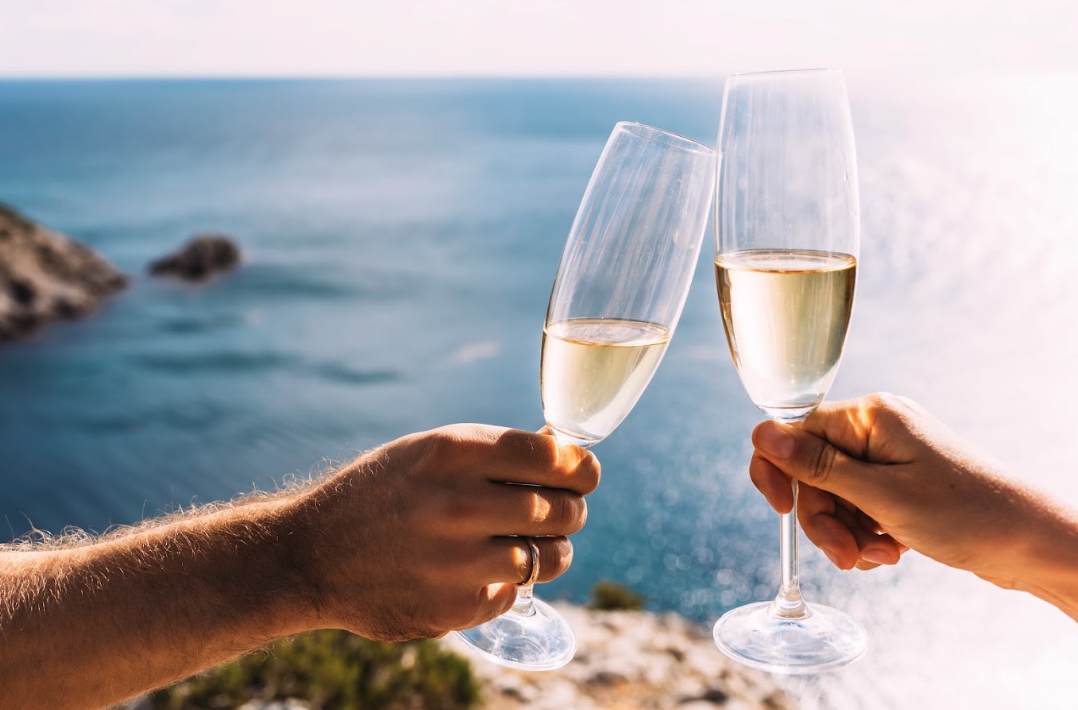
More cruise lines are extending their European seasons, sailing Mediterranean coastlines and rivers including the Rhine and Danube after the Christmas-market crowds have gone home.
The Mediterranean’s mild temperatures and sunshine make it a delightful winter cruise destination.
On France’s Côte d’Azur, mimosas’ brilliant yellow blossoms (pictured, top) bloom January into March along the Route du Mimosa through southern France. Mandelieu-La Napoule celebrates an annual February Fête du Mimosa, complete with flower-covered floats and parades.
It’s also citrus fruit season across the Riviera – and nearby Menton celebrates its colorful and tasty winter crop with its Lemon Festival.
Then comes Carnival, the last hurrah of decadence before the 40 days of Lent prior to Easter begin.
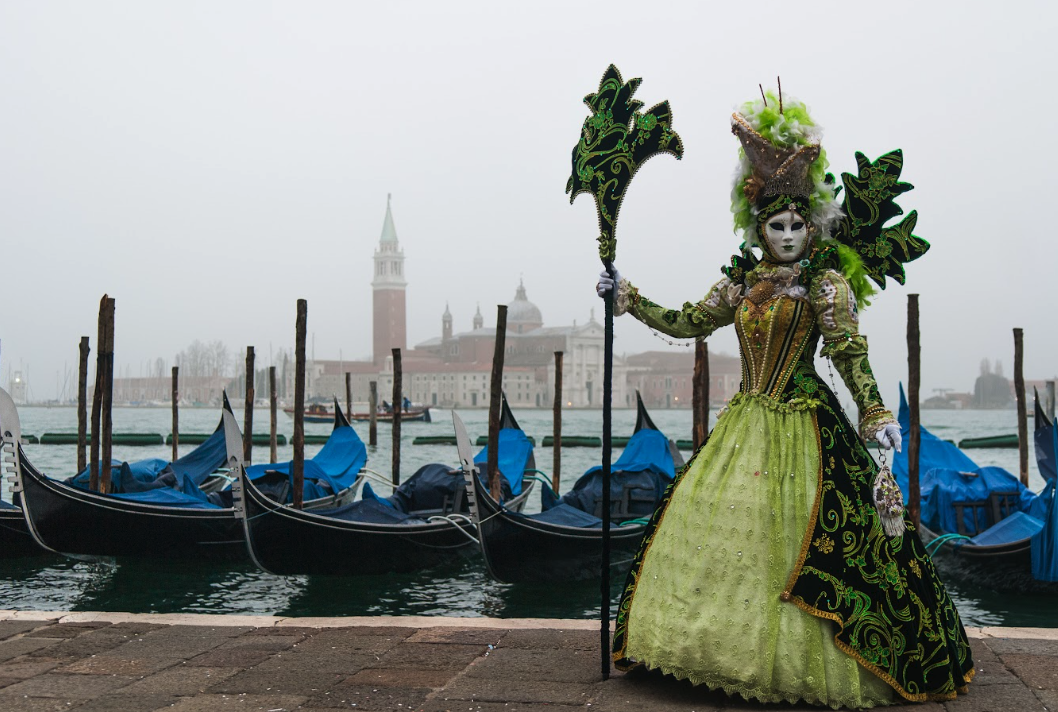
Venice’s famous Carnevale transforms the lagoon city with elaborate masks, costumes, performances and festivities. Nice stages one of the world’s great Carnivals, including enormous floats, nighttime parades and its famous flower battles.
Beyond Nature’s winter bounty, exploring archaeological sites in Italy and Greece, and cities such as Barcelona and Rome is much different without peak-season crowds and heat.
Europe’s great rivers offer a different winter experience, too.
New Year’s Eve is the standout. Even if your river cruise doesn’t coincide with the festivities, a pre- or post-cruise extension can have you in Vienna on December 31. Austria’s capital may be the ultimate Danube destination for New Year’s Eve, when its historic center becomes a street celebration of music, food and dancing. At midnight, St. Stephen’s Cathedral rings in the New Year, The Blue Danube begins to play — and revelers waltz in the streets. There are NYE balls and concerts for classical music lovers – not to mention the Vienna Philharmonic’s world-renowned New Year’s Concert on January 1.
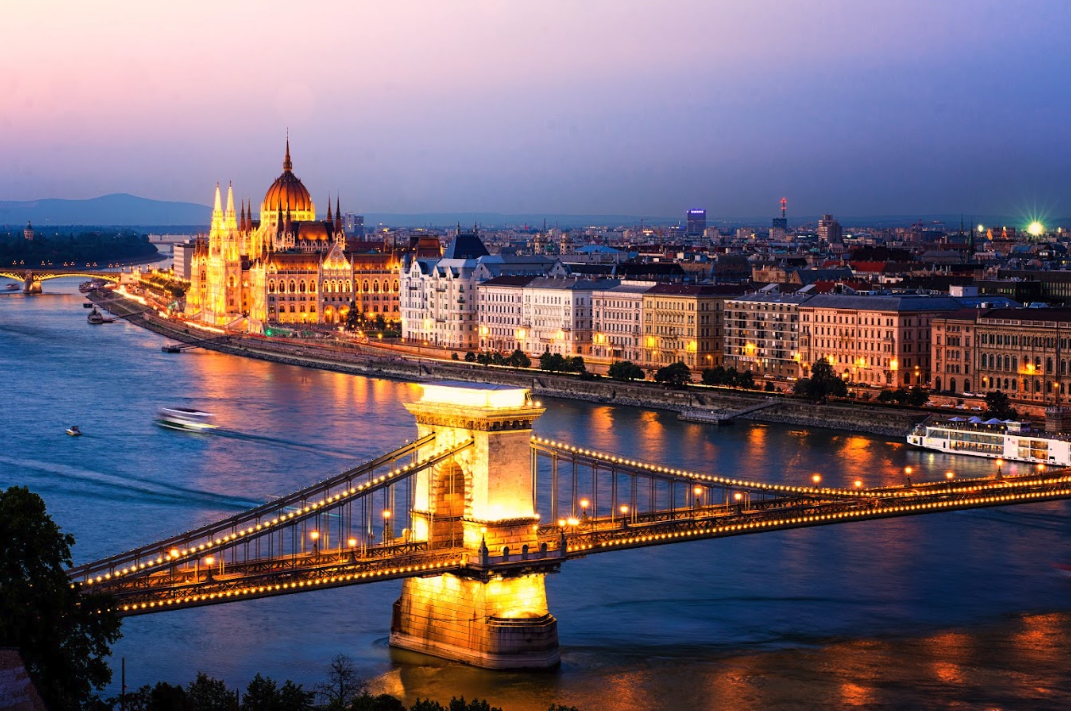
Further southeast on the Danube, Budapest is another spectacular NYE setting (above), while Rhine itineraries put cruisers in the heart of festivities in cities including Cologne, Strasbourg and Basel.
After New Year’s, the emphasis shifts to cozy winter lifestyles: coffee and cake in historic cafés and warming regional specialties — Käsespätzle, Central Europe’s delicious mac and cheese: soft egg noodles layered with melted cheese and crispy onions; and the renowned Hungarian goulash, a comforting beef-and-paprika soup; Rhineland sauerbraten, slow-cooked marinated beef with rich gravy and red cabbage; Strasbourg’s Alsatianchoucroute, a French version of sauerkraut heaped with sausages and smoked pork (pictured below, image: Lynn Elmhirst)
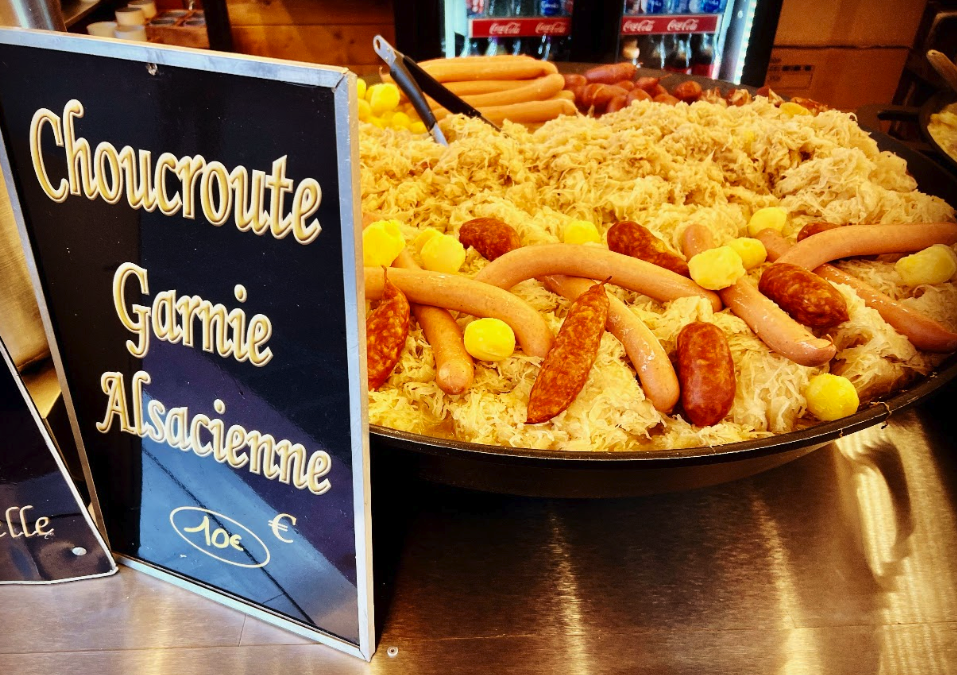
Image: Lynn Elmhirst; in Strasbourg aboard a Rhine River cruise.
The rivers themselves look different, too. Bare vines reveal the contours of steep vineyard terraces, castles stand out against the hillsides and, with luck, snow transforms riverside towns altogether.
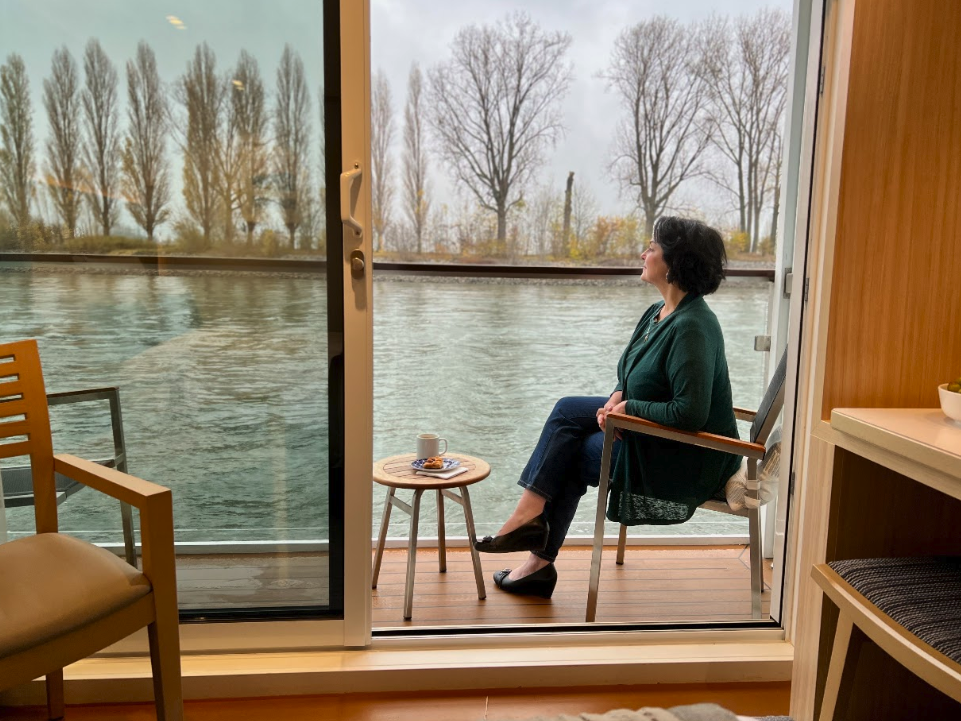
Christmas markets may have put winter river cruising on the map. But increasingly, they’re only the beginning of Europe’s cruising season.
START YOUR TRIP!
By: Lynn Elmhirst, cruise/ travel journalist and expert
Images: Getty unless otherwise indicated
All rights reserved. You are welcome to share this material from this page, but it may not be copied, re-published, broadcast, rewritten or redistributed.
by Erika Docor on 08/27/2026
For generations, travelers have organized their days around daylight. Get up. See the sights. Take the photos. Then, as the sun sets, the day starts wrapping up.
One of travel’s fastest-growing trends turns that itinerary upside down. And the lights off.
“Noctourism” – or nocturnal tourism – is the growing appetite for travel experiences after dark.
Noctourism can intersect with astrotourism, but they’re not exactly the same thing.
‘Astrotourism’ is about traveling for celestial experiences. And a recent survey of tens of thousands of travelers found that nearly two-thirds were considering trips to darker-sky destinations for ‘starbathing,’ constellation tracking and rare celestial events.
At night, right?
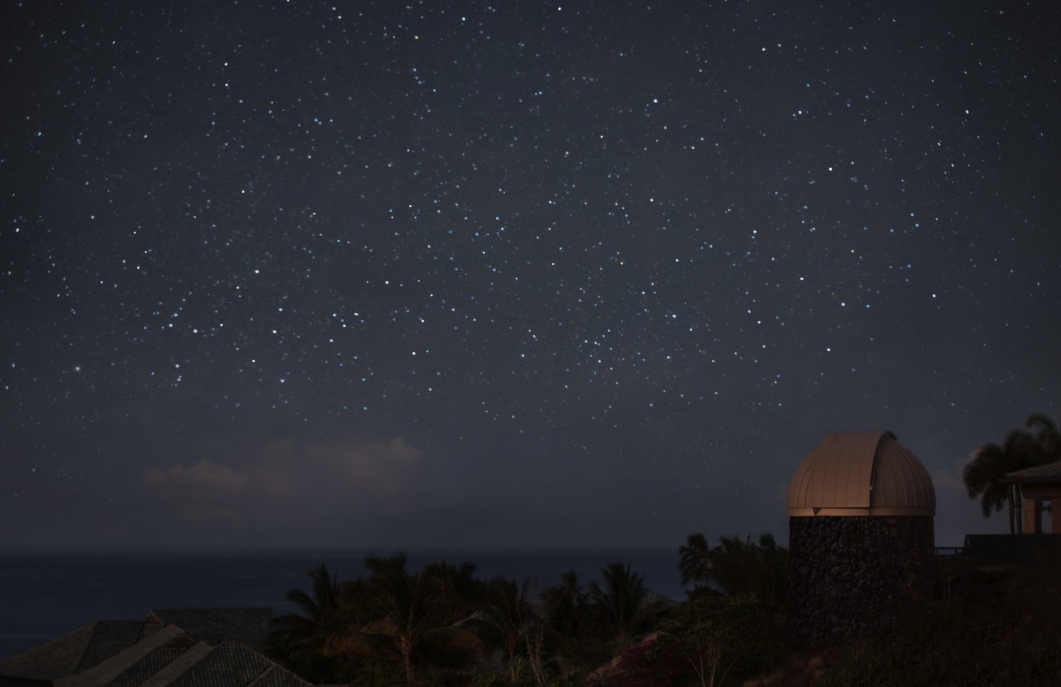
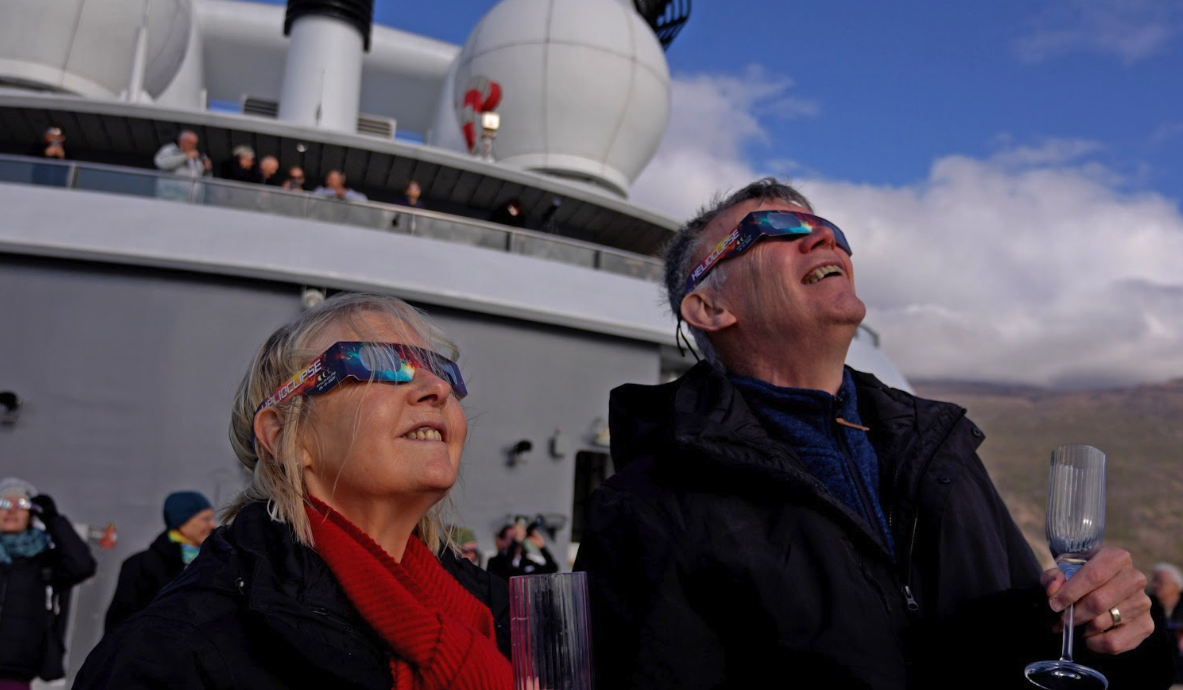
Actually, one of the most recent examples of astrotourism was in the daytime: the August 2026 total solar eclipse, the ‘eclipse of the century,’ lasting over 6 minutes in some places, took place in the middle of a day that was plunged into darkness. Entire countries went on pause to witness the longest total eclipse that almost anyone alive will ever see. Countless travelers planned trips around the eclipse and cruise lines sent dozens of sold-out ships on itineraries specifically designed to put the vessels and their fascinated guests in its path.
The extraordinary response to the solar eclipse reminds us how travel is increasingly about collecting experiences, not simply places.
More and more, the spotlight, if you’ll excuse the pun, is shining on the nighttime. Enter noctourism, which includes
No wonder noctourism is one of the fastest-growing travel trends!
Part of noctourism’s appeal is practical.
As summer temperatures climb in many popular destinations, travelers can shift sightseeing into cooler evening hours. That survey found more than half of travelers planned activities for evenings and early mornings, not just for nighttime attractions, partly to avoid daytime heat and sun.
Sometimes it’s quieter, too, after the daytime crowds have gone to bed.
But the best noctourism isn’t simply daytime sightseeing rescheduled.
Some travel experiences only happen in the dark.

A new focus on noctourism is making the whole world of travel just a little brighter.
START YOUR TRIP!
By: Lynn Elmhirst, travel journalist and expert
Image Credits:
All rights reserved. You are welcome to share this material from this page, but it may not be copied, re-published, broadcast, rewritten or redistributed.
by Erika Docor on 08/27/2026
I adore river cruising. I constantly recommend river cruises to viewers and followers.
But river cruising is facing an industry-changing crisis. And I think it’s time to face it head-on with new solutions that will benefit everyone.
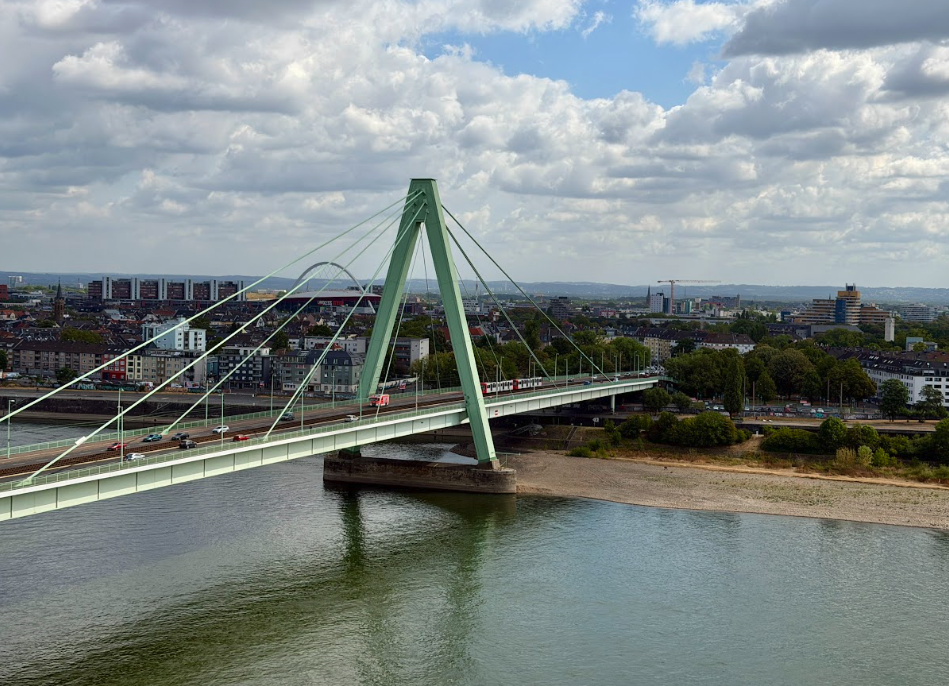
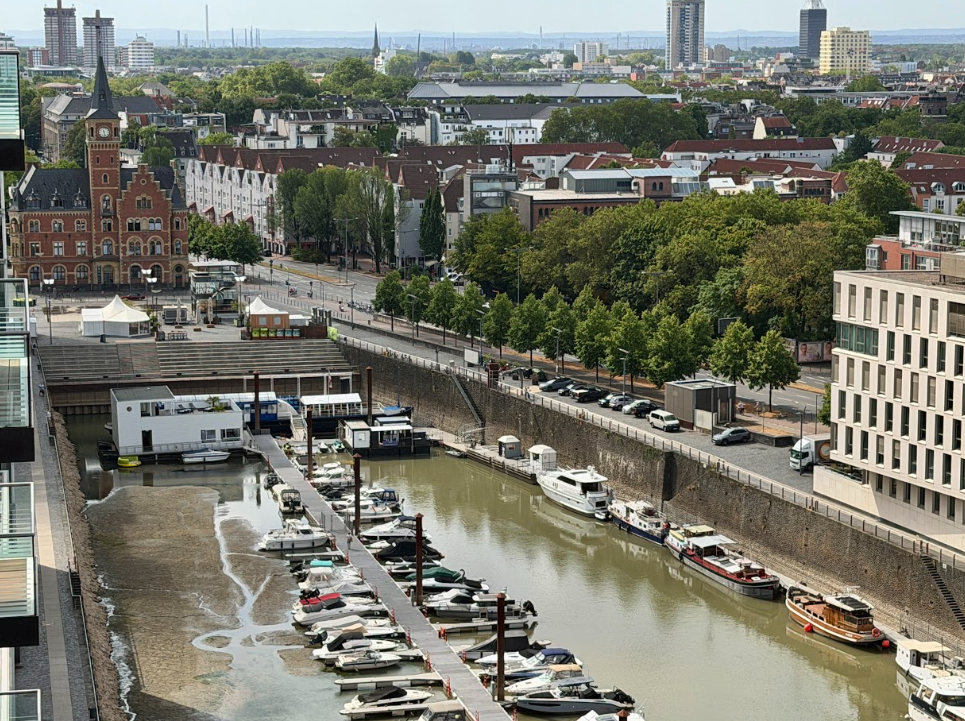
Low water levels on Europe’s major rivers – including the Rhine and the Danube – are making headlines around the world.
I was at (not on!) the Rhine last week (early August, 2026), and I was shocked at the water levels, as you can see in the VIDEO ABOVE.
What happens when the waters are too low for the ship to travel its planned route?
The river cruise lines’ teams go into overdrive, performing miracles of last-minute logistics to deploy tactics like:
Which all come at a cost: making those changes at the last minute and/or providing refunds and credits.
And then there are the soft costs - possibly more expensive over time.
I’ve been on some of these river cruises – and if you go on any of the many social media groups devoted to river cruising - you’ll see two guest responses:
Group 2 is getting bigger and louder.
And they’re also asking: ‘Didn’t the cruise lines see this coming?’
This is the worst year – but far from the first year - of desperately low water. In fact, at least for the past five years in a row, low water has interrupted river cruising in the height of the summer.
I believe we’ve come to the point where the inability of river cruise lines to operate consistently for a (growing) number of weeks every summer season has become a ‘known risk factor.’
That requires a new solution.
If you’ll excuse the river navigational pun, we’re at a confluence of the interests of three key parties:
Where these interests meet is a solution:
Out with traditional ‘high season’ of July – August.
At Virtuoso Travel Week this year, a notable change was observed: more travel was booked to Europe in September than in August. But there are even bigger changes on the horizon.
Viking, and even the new, charter-only Transcend river cruise line, are operating year-round on the Rhine. Others are narrowing their annual midwinter shutdown periods.
Those extra weeks of operation in mild winters can help cruise lines pay off those beautiful, expensive ships – while offering guests the benefits of ‘quiet season’ cruising.
They also get the freedom to change, promote – and price! – updated schedules that reflect the new reality of European summer heat.
The new ‘high’ seasons would become the earlier and later weeks that balance fair weather and reasonable expectations for navigable water levels with the full river-cruise experience.
I see a future with 6 seasons in the European river cruising calendar:
That provides the best possible outcome for cruise line revenues and reputations, travel advisors’ clients’ confidence and satisfaction… and traveler experience.
START YOUR TRIP!
Story, images and video by Lynn Elmhirst, cruise/ travel journalist and expert.
All rights reserved. You are welcome to share this material from this page, but it may not be copied, re-published, broadcast, rewritten or redistributed.
by Erika Docor on 08/13/2026
 Shawna Schrank
Sign up for our newsletter to learn about the latest product news and deals. Also receive exclusive offers, contest details and giveaways.