
Warning: This travel story contains excessive amounts of shaggy manes, fluffy forelocks, tiny hooves, and irresistible four-legged charm. You may experience an uncontrollable urge to book a trip and ride off into the sunset.
Move over, cat videos. There's a new contender for the internet's cutest animal obsession. And this one comes with a passport.
Ponies have a special talent for stealing hearts. Maybe it's their oversized personalities packed into undersized bodies. Or their fantastic bad hair days.
But why settle for pony videos when you can travel to meet the real thing?
These pint-sized powerhouses have called Shetland home for more than 2,000 years. Their tiny stature, thick coats, and disproportionate strength helped them survive the islands' harsh climate and made them indispensable to generations of islanders, hauling peat for fuel and seaweed to fertilize fields. In the 1800s, their small size and strength made them sought-after workers south on the mainland in Britain's coal mines, where they could navigate tunnels too small for larger horses.
Today, their working days are mostly behind them, but their magnificent manes and larger-than-life personalities still steal the show grazing in dramatic scenery in their native isles and tossing their manes in the North Atlantic winds.
It’s a highlight of visiting Shetland, and my own top goal on a Seabourn cruise that called at Lerwick – and as you can see in the video above: success!
Technically, they're horses, not ponies. But Icelandic horses are pony-sized, so we're granting them honorary membership in this cute club.
With flowing manes, thick coats, and fabulous windswept hair, Icelandic horses are among the country's most photogenic residents and the equine version of Vikings!
Their ancestors arrived aboard ships with Norse settlers more than 1,000 years ago. Isolated ever since, they've developed into a remarkably pure breed. Iceland takes protecting them so seriously that horses cannot be imported, and any Icelandic horse that leaves the country -even just to compete - can never return.
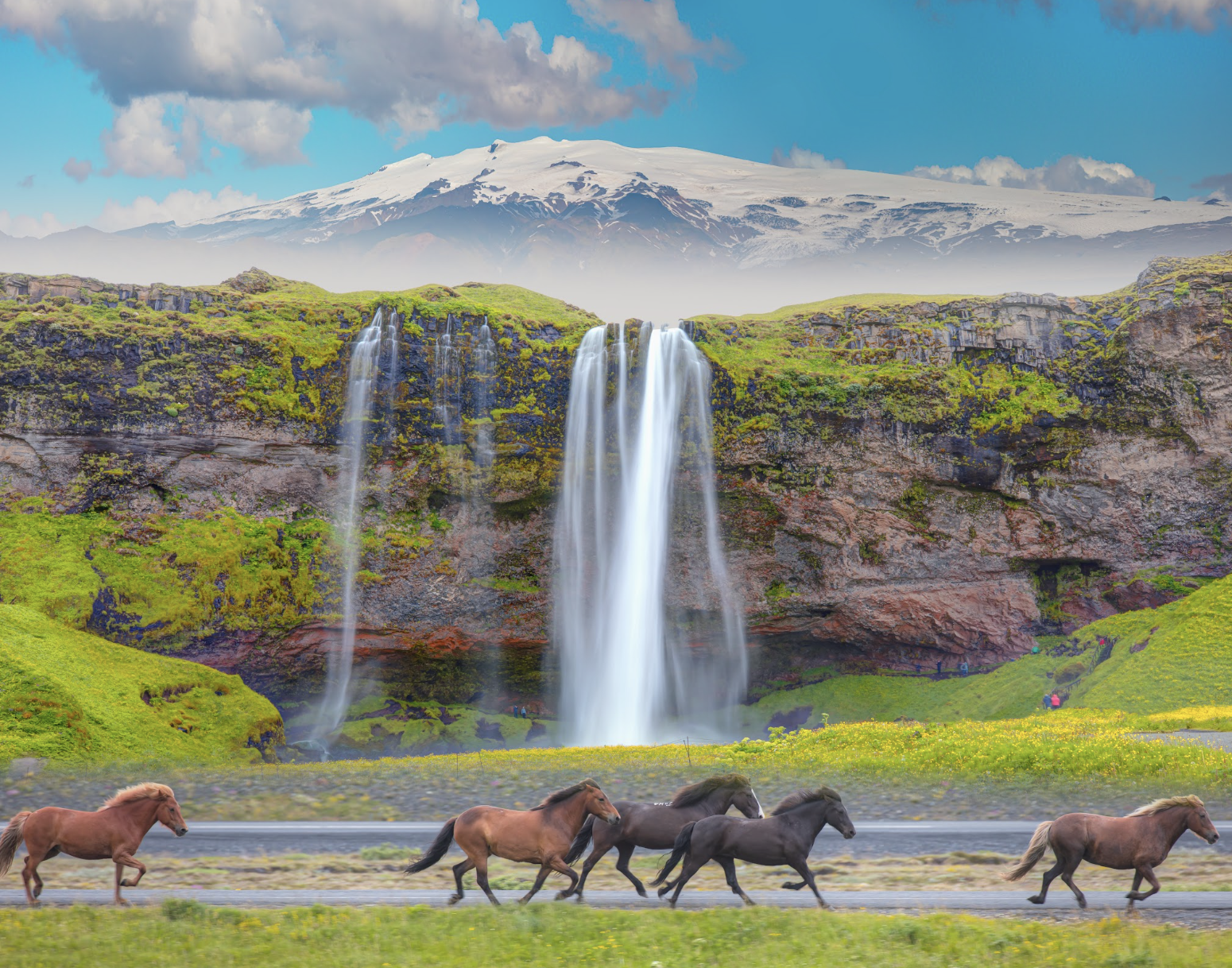
Their other claim to fame? Five gears instead of the usual three! In addition to walking, trotting, and cantering, many Icelandic horses have two extra gaits. The tölt is an exceptionally smooth, four-beat gait that lets riders glide along with hardly a bounce. It's so steady that riders can famously carry a full glass of beer without spilling a drop! The fifth gait, flying pace, is a spectacular sprint reaching nearly 30 mph.
Book a guided ride across lava fields or black-sand beaches. It's a chance to travel like a Viking on land.
Newfoundland has puffins, whales, icebergs, and some of Canada's friendliest people. But here's another reason to visit: its very own native pony breed!
The Newfoundland Pony is a distinct, officially recognized breed that developed over centuries on the island. Its ancestors arrived with European settlers, including hardy British and Irish ponies. Geographic isolation and generations of hauling wood, working farms and navigating rugged terrain helped shape these sturdy little survivors.
They're compact, shaggy and famously resilient, with thick coats, strong hooves and faces made for melting hearts.
Once numbering in the thousands, Newfoundland ponies nearly disappeared as machines replaced working animals. Three decades ago, they were designated a heritage animal, helping protect this endangered breed.
Arrange a visit to a participating farm or pony sanctuary, and your cute-animal encounter can also support an important conservation success story in the making.
Imagine driving through an English village and finding a pony casually strolling down the street as though it owns the place.
Which, in the New Forest National Park, it practically does.
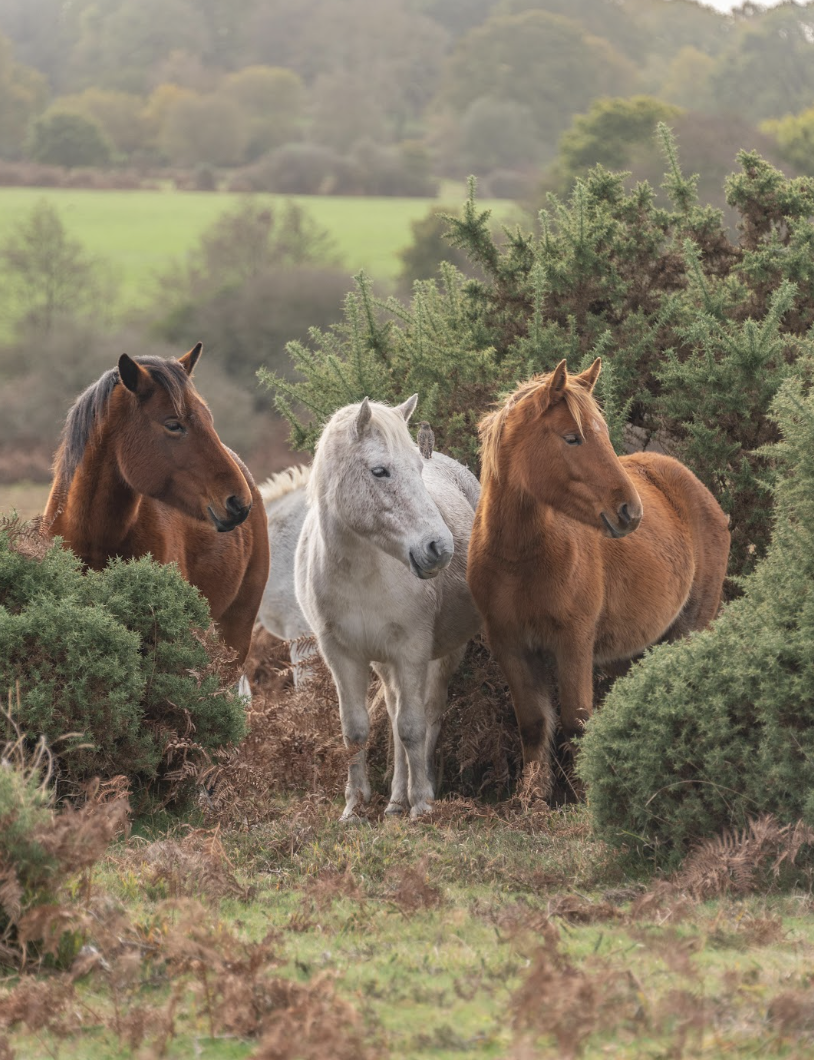
New Forest ponies are their own ancient native English breed, with ancestors roaming this landscape long before William the Conqueror declared it a royal hunting forest in 1079. Today, thousands of these free-roaming ponies wander through ancient woodlands, heathlands and villages, where traffic regularly stops for four-legged pedestrians.
Visit Brockenhurst or Burley for pony-spotting, especially in spring when adorable, wobbly-legged foals arrive.
These aren't petting-zoo ponies, though. Admire and photograph them, but don't feed or touch these wild creatures.
With brown coats, pale muzzles and distinctive light-colored rings around their eyes, Exmoor ponies look like somebody crossed a horse with a teddy bear.
Considered one of Britain's oldest native pony breeds, these hardy little animals have roamed the moorlands of southwest England for centuries, developing thick, weatherproof coats and distinctive hooded eyes to cope with the region's famously wet and windy weather.
Today, Exmoor ponies still roam the spectacular moorlands, where spring brings impossibly cute foals.
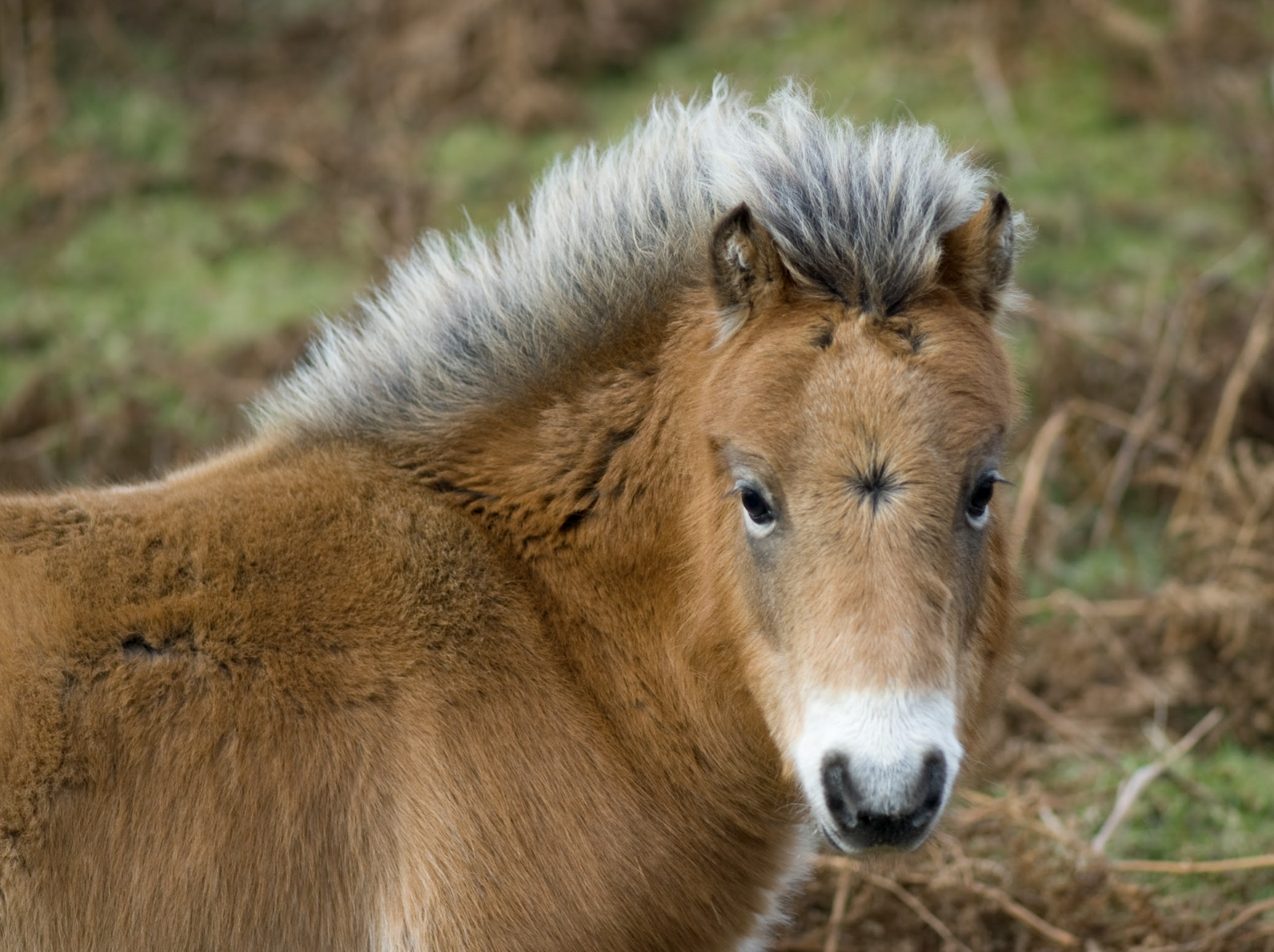
Explore the open countryside for sightings, or visit the Exmoor Pony Centre near Dulverton for an organized encounter with these charismatic creatures.
START YOUR TRIP!
Video story by Lynn Elmhirst, travel expert and journalist.
Images: Getty
All rights reserved. You are welcome to share this material from this page, but it may not be copied, re-published, broadcast, rewritten or redistributed.
by Erika Docor on 10/19/2026
The latest travel trends come with their own new terms and appeal to every generation of traveler. Are any of these approaches to travel calling your name?
Move over, celebrity chefs. The hottest new travel influencer may be an Italian grandmother.
Nonna is Italian for grandmother, and "maxxing" is internet slang for taking something to the next level. Put them together, and you have one of the most charming travel trends - coined by younger travelers, but grandmas can inspire us all! Nonna-maxxing travel is about embracing traditional skills, home cooking, family connections, and the slower pace of life for previous generations.
In Italy, that might mean learning to make pasta from a real nonna in a traditional kitchen and village. In rural France, it could be baking bread or making cheese with local artisans. In Japan, traditional crafts offer another opportunity to connect with generations of wisdom.
Gen Z is discovering that what’s old is new again, and travel may be the best way to revive appreciation for traditions.

If you hear your parents talk about going ‘skiing,’ they may not mean swooshing down the slopes.
The latest lifestyle acronym is about newly-liberated empty nesters treating themselves after putting everyone else first for years. In travel, that translates to booking those bucket-list trips they’ve spent a lifetime dreaming about.
Think luxury world cruises, African safaris, Antarctica expeditions, and extended stays in European villas.
Baby Boomers and retirees are increasingly embracing the philosophy that experiences are worth more than money in the bank. After all, you can't take it with you. And you don’t owe your life savings to anyone.
That said, some are still ‘SKI’ing’ on the kids themselves: taking the entire family on multigenerational vacations.
It’s about creating memories together instead of leaving money behind.
Another ‘maxxing’ trend – and this one is about celebrating the pleasure of your own company.
"Solomaxxing" reflects the growing enthusiasm for solo travel. Women over 60 set the enviable example of seizing the day and traveling whether or not you have anyone to travel with. And the ‘maxxing’ generation has taken that single baton and run with it.
For younger travelers, it's about independence, self-discovery, and not waiting for someone else to share their bucket list. For older travelers, solo adventures can mean newfound freedom and the confidence to explore on their own terms.
Are you solo-travel curious? The good news is that the travel industry is focusing more on accommodating solo travelers.
Small-group adventure tours, hosted experiences, and cruise lines offering dedicated solo accommodations and events make it easier to find fulfillment traveling on your own, and meet like-minded travelers if you wish - all without paying a solo surcharge.
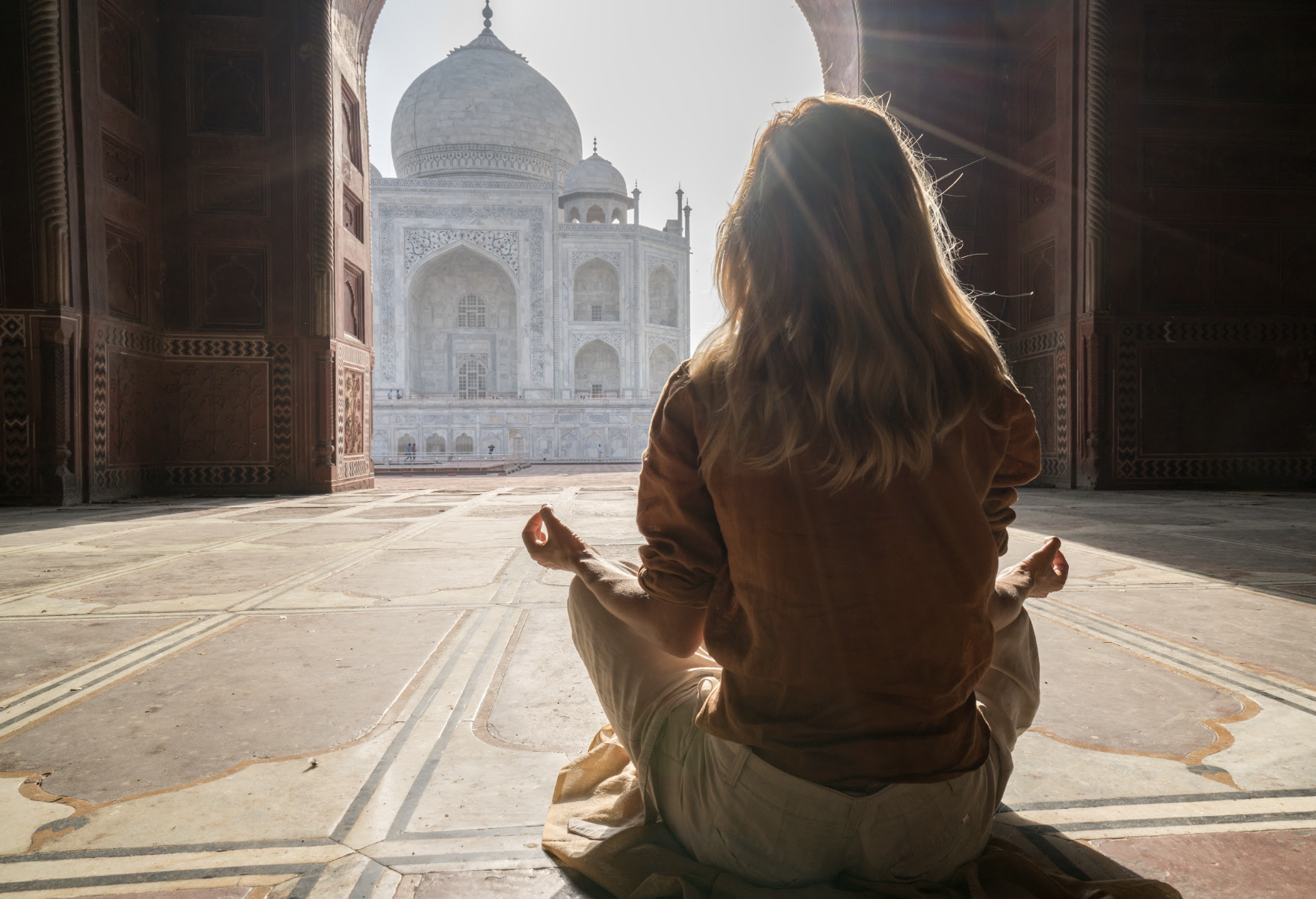
Does your life need a ‘glowup?’ Another growing travel trend draws on internet slang for transformation: a ‘glowup’ for a room, your house, your wardrobe, or your personal appearance… even your health and wellbeing.
A "glowcation" combines travel with wellness, rejuvenation and even aesthetics, turning a vacation into an investment in yourself. It's particularly appealing to younger travelers interested in self-care. But the promise of returning home looking and feeling better speaks to every generation.
South Korea has become a destination for skincare enthusiasts seeking advanced facials and beauty treatments. In Morocco, traditional hammams promise centuries-old cleansing rituals. And European spa towns such as Baden-Baden, Germany, offer mineral baths and thermal treatments in historic surroundings.
Luxury wellness resorts are taking the concept further with personalized nutrition, fitness, sleep programs, and longevity-focused experiences.
Forget coming home needing a vacation from your vacation. The new souvenir from a glowcation? A healthier, happier you.
And whether you're nonna-maxxing, solomaxxing, SKI-ing or glowcationing, one thing hasn't changed: travel continues to give every generation new reasons to explore the world.
START YOUR TRIP!
Images: Getty
by Erika Docor on 10/19/2026
Take a video tour of the new cruise ship – the first of a whole new cruise line - that’s based on a premise you might find surprising. It means you can’t book a single room on this ship!
Transcend Cruises launched in 2026 with a very different idea: charter-only river cruises in Europe.
If you thought that chartering a river cruise ship would be just for company conferences, think again.
Here are some groups that travel advisors have already booked in Transcend’s inaugural year:
And what exactly does charter only mean when it comes to a river cruise ship?
No single staterooms available. No published itineraries.
It’s a ‘build your own’ river cruise. Surrounded only by the people you want to travel with, on an itinerary of your choice. With shipboard and shore experiences you design for your group’s interests – supported by the cruise line’s team of onboard and land experts who can help you craft the perfect program, just for your group.
You pick the ports of call along the river where you want to visit. Or use the ship as a literal floating boutique hotel and stay in one place for your whole booking (think business conference, yes, but also for a festival or a sporting event!)
Transcend’s one-of-a-kind design allows it to be reconfigured for 30 to 120 guests.
Plus there are innovations and technology I’ve never seen before on any river cruise ship that give groups so many options to gather all together or in breakout groups indoors and outdoors. To dine, socialize, relax,
Would you charter a whole river ship for your next big event?
Watch the video to tour the high-concept design, technology and shapeshifting features of this brand-new, charter-only, European cruise ship.
START YOUR TRIP!
Video and story by: Lynn Elmhirst, cruise/ travel journalist and expert.
All rights reserved. You are welcome to share this material from this page, but it may not be copied, re-published, broadcast, rewritten or redistributed.
by Erika Docor on 10/08/2026
A new generation of Caribbean resorts is delving deep — sometimes literally — into the nature, culture and traditions of their destinations to go far beyond the beach and offer experiences that truly deliver on the promise of ‘a sense of place.’
Three new and returning resort experiences in Mexico, The Bahamas and Saint Lucia illustrate the shift towards hyper-local coastal resorts. They’re answering the call from visitors for experiences so rooted in their destination they couldn’t be duplicated anywhere else.
Here are some of our favorites:
Fairmont Mayakoba on Mexico’s Riviera Maya holds an annual concert in a hall millions of years in the making.
Symphony in a Cenote takes just 50 resort guests into the jungle for an intimate orchestral performance inside a natural limestone cenote.
Cenotes are one of the defining geological features of the Yucatán Peninsula, formed when limestone collapses to expose groundwater and vast underground river systems. They also have profound cultural significance: to the ancient Maya, cenotes were sacred places and, in some traditions, portals to the underworld.
At dusk, guests are taken to a cavern of limestone, stalactites and crystal-clear water, and served champagne and canapés in this other-worldly setting. Musicians perform, with the cenote’s natural acoustics making the occasion like no other concert you’ve ever experienced.
Even without the Symphony in a Cenote, nature weaves itself into the Fairmont Mayakoba’s lifestyle. The resort is a luxury hideaway in nearly 600 acres of tropical forest, mangroves and waterways near Playa del Carmen.
Atlantis Paradise Island in The Bahamas has introduced a Baby Sea Turtle Release program. It invites guests to participate in the wondrous natural event of the release of newly hatched green sea turtles.
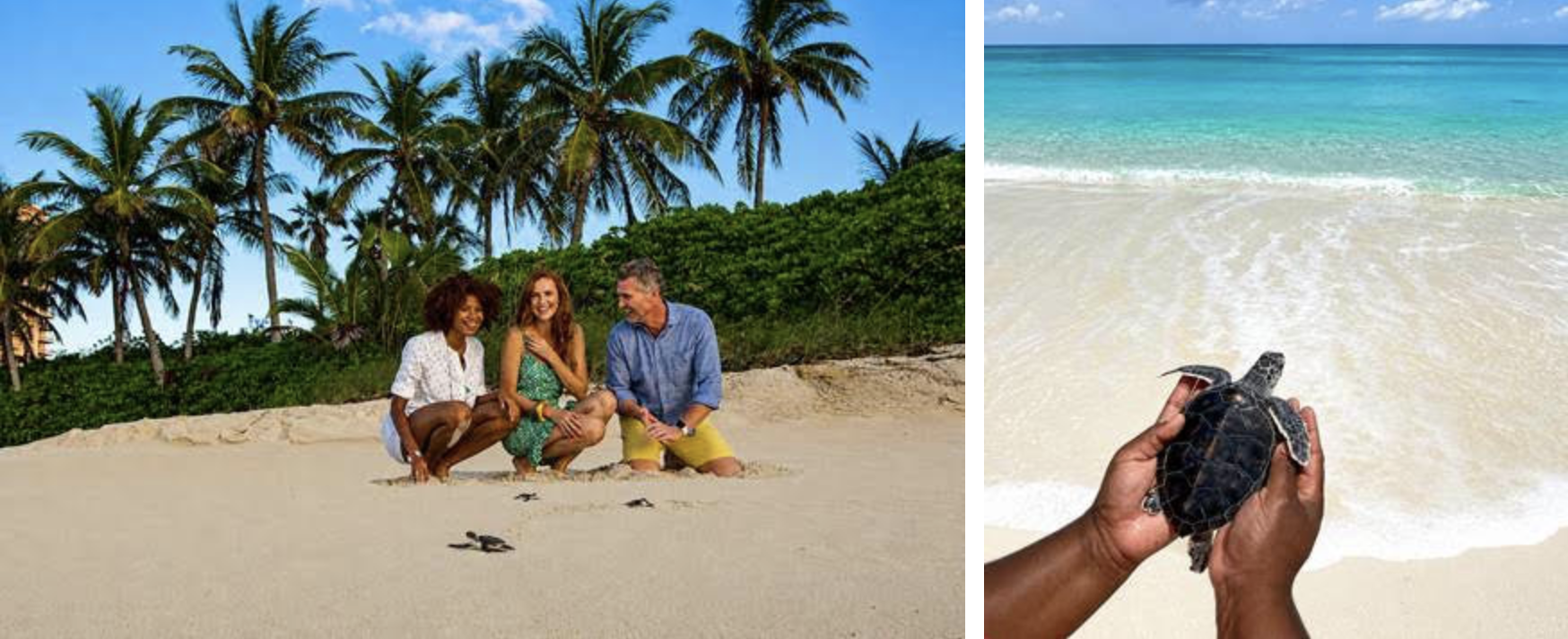
Participants first visit Atlantis’ Royal Fish Hospital to learn about green sea turtles, their habitat and conservation before heading to the beach at sunset.
Each participant releases a baby green sea turtle, watching it make its way down what Atlantis calls its “Sea Turtle Highway” toward the Atlantic Ocean.
The catch is that the exact timing is hard to predict. In theory it’s at the end of September, but the experience happens only when nests actually hatch.
Atlantis may be famous for its enormous Aquaventure water park, marine habitats and sprawling collection of hotels, restaurants and entertainment, but this is a very different kind of water attraction: small, seasonal, unpredictable and connected directly to the marine environment surrounding the resort.
Meanwhile, Secrets St. Lucia Resort & Spa marked its first anniversary in September, 2026 by turning the spotlight onto its home island.
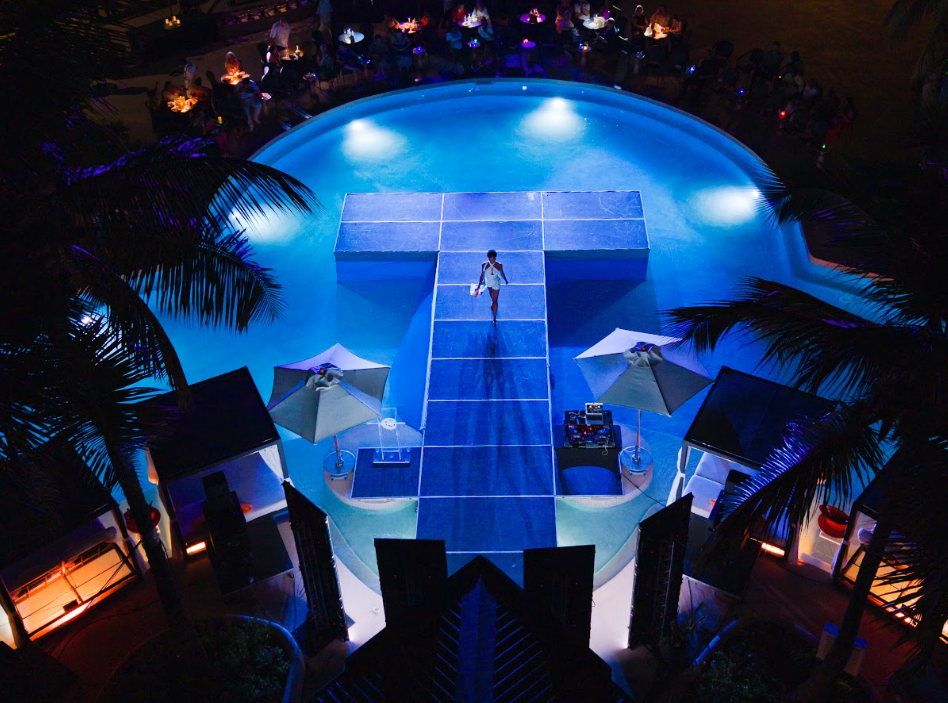
Its Carnival of the Senses transformed the resort’s pool area into an immersion in island culture, with Saint Lucian food, music, traditional dance and heritage displays, plus a pool runway presentation featuring local fashion designers.
The celebration is an interesting expression of how the relatively new resort is positioning itself within the destination.
Secrets St. Lucia is the island’s largest adults-only all-inclusive, with 355 rooms, nine restaurants, seven bars and lounges, three pools and a spa. Every ground-floor accommodation has either swim-out access or a private plunge pool, and the beachfront property is within easy reach of Pigeon Island, Rodney Bay and the famously lively Gros Islet Friday Night Jump-Up.
The resort has also established a partnership with the Saint Lucia Kings professional cricket team — another connection to an important piece of contemporary Caribbean culture.
If you are among the growing number of travelers who is looking for more from a Caribbean vacation than pool, beach and bar, hyper-local experiences like these can inspire your next tropical vacation – and creatively connect you to the destination like you’ve never experienced before.
START YOUR TRIP!
Images courtesy of their respective resort/ resort companies
Top: Fairmont Mayakoba’s Symphony in a Cenote
All rights reserved. You are welcome to share this material from this page, but it may not be copied, re-published, broadcast, rewritten or redistributed.
by Erika Docor on 10/08/2026
The Northern Lights, or aurora borealis, are Mother Nature’s own light show, one of travel's most mesmerizing natural phenomena that nothing man-made can beat. Electrically charged particles from the sun interact with Earth's atmosphere, creating shimmering curtains of green, purple, pink and occasionally red that dance across the night sky.
Standing in the glow of this mystical Arctic phenomenon is on many a travel bucket list.
The bad news is there’s a specific time – and place – to see the Northern Lights. The season really starts close to fall, and lasts through the winter months, when Arctic travel is coldest and least accessible.
The good news? There are at least three ways position yourself for the celestial memories of a lifetime.
One of my favorite ways to experience the Northern Lights is from the deck of a ship, undiluted by city lights, with a panoramic view of the heavens.
Timing is everything. Most Arctic expedition cruises operate during the Arctic summer before the aurora get going. There’s a sweet spot: end of season September departures get you the tail end of nicer weather but still a good chance of Northern Lights.
I shot the top video on an expedition cruise aboard Seabourn Venture, where everyone - including the captain and crew! – were surprised when the Northern Lights showed up in August!
There are also dedicated winter voyages along Norway's spectacular coastline.
Norway’s coastal cruise line, Hurtigruten, offers a Northern Lights Promise on qualifying coastal voyages of 11 days or longer: if the aurora doesn't appear, guests receive a complimentary return voyage, subject to conditions.
Its former sister company, HX Expeditions (formerly Hurtigruten Expeditions), has a separate Northern Lights Promise on qualifying Arctic expedition voyages, offering future cruise credit if the lights don't make an officially recorded appearance.
No one can guarantee Mother Nature will perform on demand, but Arctic sailings – especially in the right time of the year! – can get you closest to an intense aurora experience at sea.
There's a new way to chase the Northern Lights: by train! Norway and Sweden are putting a fresh spin on the romance of rail travel with journeys into prime aurora-viewing territory.
In Norway, the Northern Lights Train departs from Narvik on an evening excursion along the historic Ofoten Railway, one of Europe's most spectacular northern rail routes. The train stops at remote Katterat, far from city lights, where passengers can watch for the aurora against a backdrop of Arctic wilderness.
In Sweden, rail operator Snälltåget is introducing a special Northern Lights journey in November 2026, traveling from Malmö via Stockholm, Kiruna and Abisko to Narvik in Norway. The multi-day adventure combines overnight rail travel with time to explore the Arctic.
And if you can't choose between ships and trains, Hurtigruten's Follow the Northern Lights itinerary combines scenic rail journeys, a Norwegian coastal cruise and even a night in a glass igloo.
It's an appealing twist on an old-fashioned journey: let the train take the strain while Mother Nature provides the entertainment.
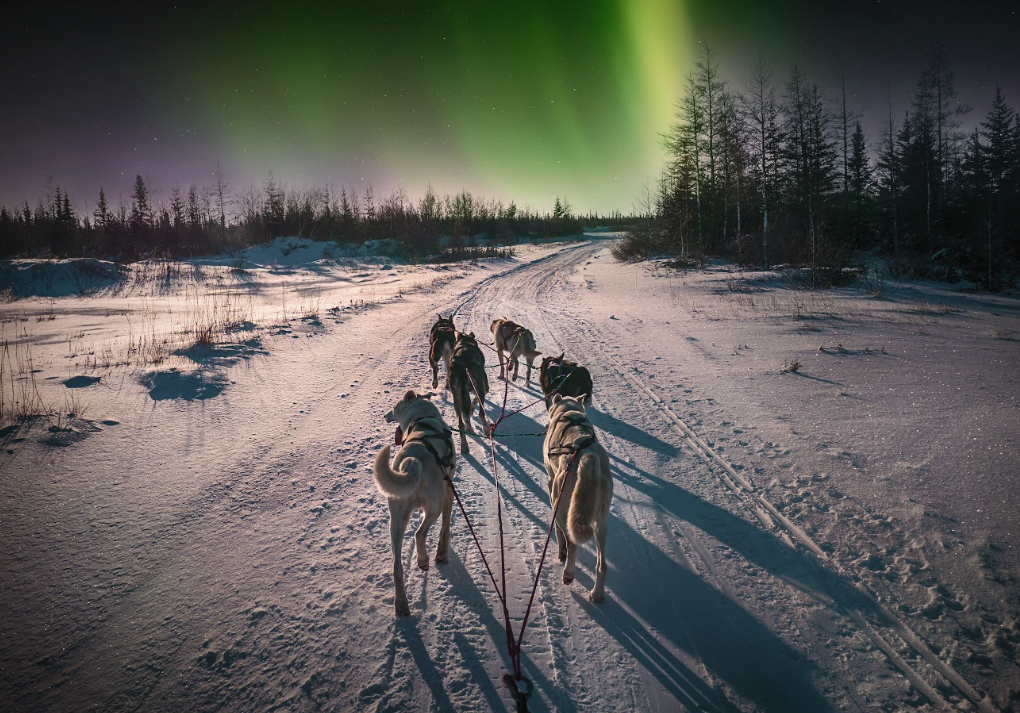
Prefer to keep your feet on terra firma? These destinations combine excellent aurora-viewing opportunities with unforgettable winter adventures.
Tromsø, Norway: The self-styled gateway to the Arctic offers Northern Lights excursions, reindeer experiences and dramatic fjord scenery.
Finnish Lapland: Why stand outside shivering when you could watch the heavens from a heated, glass-roofed igloo? Add husky sledding and snowy forests for a winter wonderland.
Iceland:Waterfalls, glaciers, geothermal lagoons and volcanic landscapes provide extraordinary foregrounds for aurora photography. Escape Reykjavík's city lights for better views.
Yukon, Canada, and Alaska, U.S.A: Close to home, both these destinations lie beneath the auroral zone and are celebrated for Northern Lights viewing, with wilderness lodges, dog sledding and guided nighttime excursions.
My advice? Book several nights between September and March – not just a quick weekend thinking the Northern Lights show up every night.
Choose accommodations with aurora wake-up calls, and don't make the lights your only reason to travel. After all, even when the sky doesn't cooperate, an Arctic adventure is one of the thrills of a lifetime.
START YOUR TRIP!
Story and top video: Lynn Elmhirst, cruise/ travel expert and journalist
Images: Getty
All rights reserved. You are welcome to share this material from this page, but it may not be copied, re-published, broadcast, rewritten or redistributed.
by Erika Docor on 10/08/2026
Caribbean cruising - and beyond! - may have changed forever. Royal Caribbean Group -which also owns Celebrity Cruises and Silversea - and Sandals Resorts International announced that the cruise company has purchased 50% of the Caribbean all-inclusive resort chain.
It's a deal worth 3 billion USD, and it's sending a tidal wave through both the cruise and all-inclusive resort worlds.
Here's why it's a gamechanger for any cruise traveler on Celebrity Cruises, Royal Caribbean, or Silversea. Or people who love high-end, all-inclusive resorts but have maybe never tried a cruise!
WATCH THIS VIDEO: I'm interviewed by travel trade insider publication Open Jaw, unpacking this huge development in cruise and land vacations. Click here to watch.
This is a game-changer for cruise travelers – and those who love all-inclusive resorts but may never have cruised.
Although the companies haven’t yet specified exactly how the new relationship will play out for travelers, it opens the door to incredible possibilities, especially given some of Royal Caribbean Group’s other recent moves.

Their joint media release provides some tantalizing hints, saying the new partnership will allow the two companies to: “broaden distribution, deepen guest engagement, and make it easier for travelers to discover vacation experiences offered.” The release also, intriguingly, mentions Royal Caribbean’s cross-brand loyalty program!
Packaging seamless ship + shore vacations, where guests can embark on a cruise for a week, and disembark on a Sandals island for another week of a beach vacation, whether it’s an adults-only Sandals, or a family-friendly Beaches destination;
And even
The two companies may develop new beach properties - in the Caribbean and globally, expanding the Sandals brand beyond its Caribbean home for the first time! - that are purpose-built to accommodate guests on a beach day shore visit or week-long all-inclusive stay - or both!
And how about
We’ll have to wait for further announcements to see exactly how these two storied travel brands will play together in the years to come. The companies' media release says the deal is expected to close in early 2027. Both industries are long games, where big builds (ships, properties) don’t happen overnight.
If these ideas are on track, the two brands may also have to figure out how to integrate visiting cruise guests with resort guests without stepping on toes. Not to mention, there are currently 18 Sandals adults-only resorts, compared to only 2 Beaches resorts that welcome kids.
But Royal Caribbean may have just upped the ante for other big cruise companies to find their own land partners to give guests new experiences, opportunities for extended cruise + land vacations, and find new potential cruise guests among land resort guests!
By: Lynn Elmhirst, cruise/ travel journalist and expert
Images courtesy of Royal Caribbean Group/ Sandals
All rights reserved. You are welcome to share this material from this page, but it may not be copied, re-published, broadcast, rewritten or redistributed.
by Erika Docor on 09/24/2026
Many cultures have fall festivals, but only one makes the arrival of astronomical autumn a national holiday: Shubun no Hi. What’s more, Japan does it twice a year, also making March’s Vernal Equinox Day the holiday Shunbun no Hi.
Shubun no Hi, or Autumnal Equinox Day, falls around September 22 or 23, when the sun crosses the celestial equator and day and night are equal in length.
We may pull on a sweater in a new palette of colors and order the first pumpkin-spiced something of the season. Japan’s observance of this astronomical milestone reflects the country's steadfast relationship with the seasons — and, for travelers, offers an opportunity to experience Japanese culture at a particularly meaningful time of year.
Move over cherry blossoms. Seasonal holidays like Shubun no Hi can be equally colorful and symbolic of Japanese history and culture.
Modern Japan's Autumnal Equinox public holiday is designated as a day to "honor one's ancestors and remember those who have passed away."
Its roots are more evocative.
The equinox falls in the middle of a seven-day Buddhist observance called Higan, celebrated around both the spring and autumn equinoxes. The name can be translated as "the other shore" — a Buddhist metaphor for crossing from this earthly world to enlightenment.
A beautiful piece of symbolism connects that idea to the equinox. The sun rises due east and sets due west at this time of year, and in some Japanese Buddhist traditions, the western direction is associated with the Pure Land of Amida Buddha. The symbolism of the equinox helped make it a particularly significant time for spiritual reflection and remembering the dead.
Don't expect parades, fireworks, or streets decorated for Shubun no Hi. Or even picnics under blooming cherry trees. It’s not a party atmosphere, but a quieter, more subtle cultural phenomenon.
The equinox also signals a scenic treat for travelers: the beginning of autumn in Japan. For peak fall foliage early in the season, you’ll have to get out of the tourist hotspots - in northern Japan and at higher elevations, the transformation of forests, mountainsides, and gardens to gold and scarlet can already be getting underway.
Autumn leaves reappear folded around food, dancing on seasonal textiles and ceramics, as Japanese embrace the changes of the season.
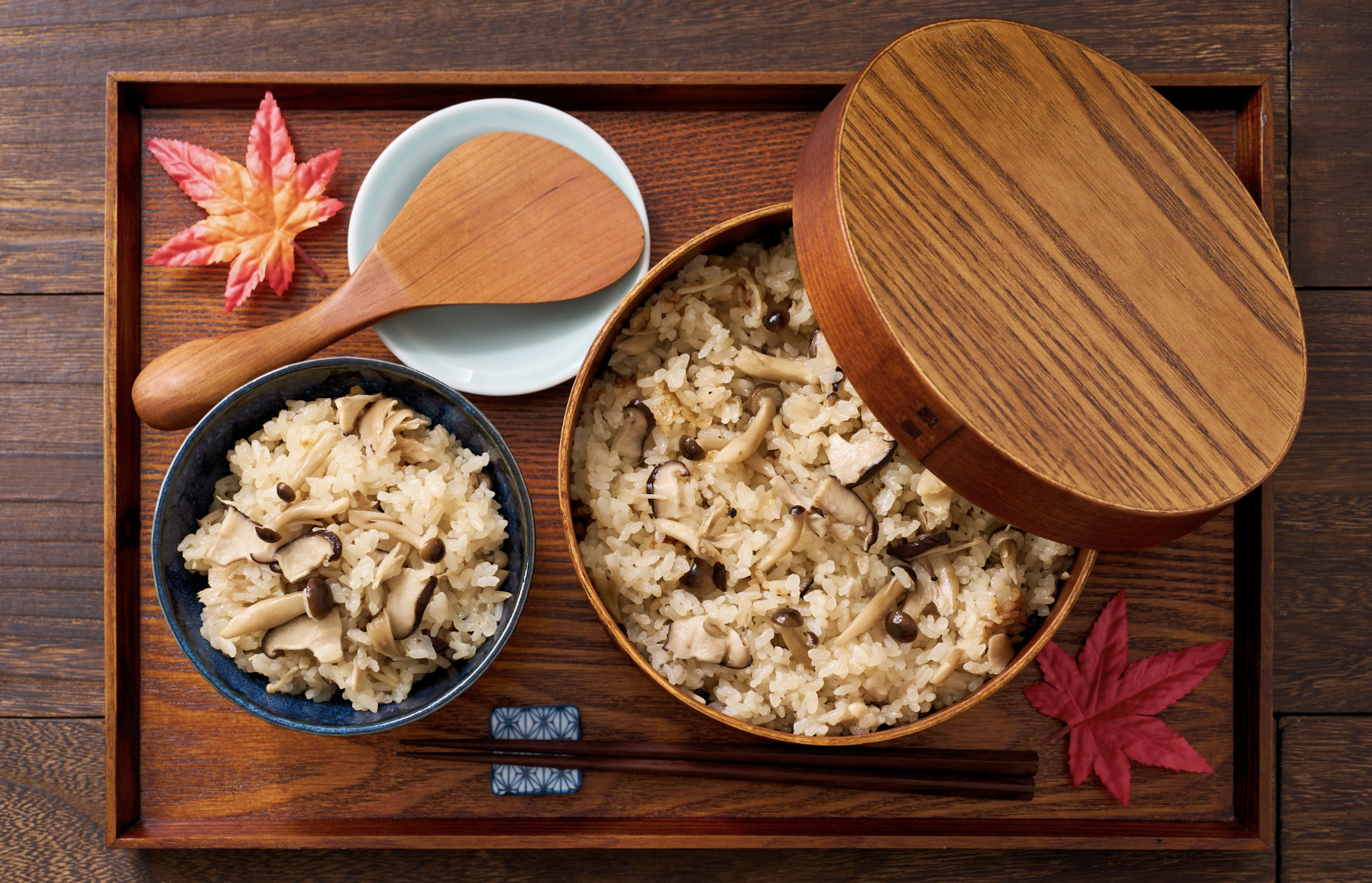
The cooler days make Japan’s humble soba noodle soup dishes, hearty fall mushroom rice bowls and warming hot pot dinners delicious ways to celebrate autumn in Japan, too.
START YOUR TRIP!
Images: Getty
Story: Lynn Elmhirst, cruise/ travel journalist and expert.
All rights reserved. You are welcome to share this material from this page, but it may not be copied, re-published, broadcast, rewritten or redistributed.
by Erika Docor on 09/24/2026
We love Tuscany, too. But Italy has 20 wine-producing regions. Why should Chianti have all the fun? Head north, east, and very south from Tuscany for three deliciously different wine adventures.
Tuscany has become almost shorthand for Italian wine travel: cypress-lined roads, Renaissance hill towns, vineyard-covered hills and a glass of Chianti waiting at lazy sun-drenched lunches and on terraces at sunset.
Now that’s the Dolce Vita. But perhaps it’s time to stop giving Tuscany all the love.
Every one of Italy’s 20 regions produces wine, and some of the country’s most memorable wine experiences lie well beyond the usual Tuscan trail. You can sip Barolo within sight of the Alps, follow Italy’s original wine road through Prosecco country, or taste wines grown in the black volcanic soil of an active volcano.
Consider this your three-glass introduction to another side of Italian wine country.
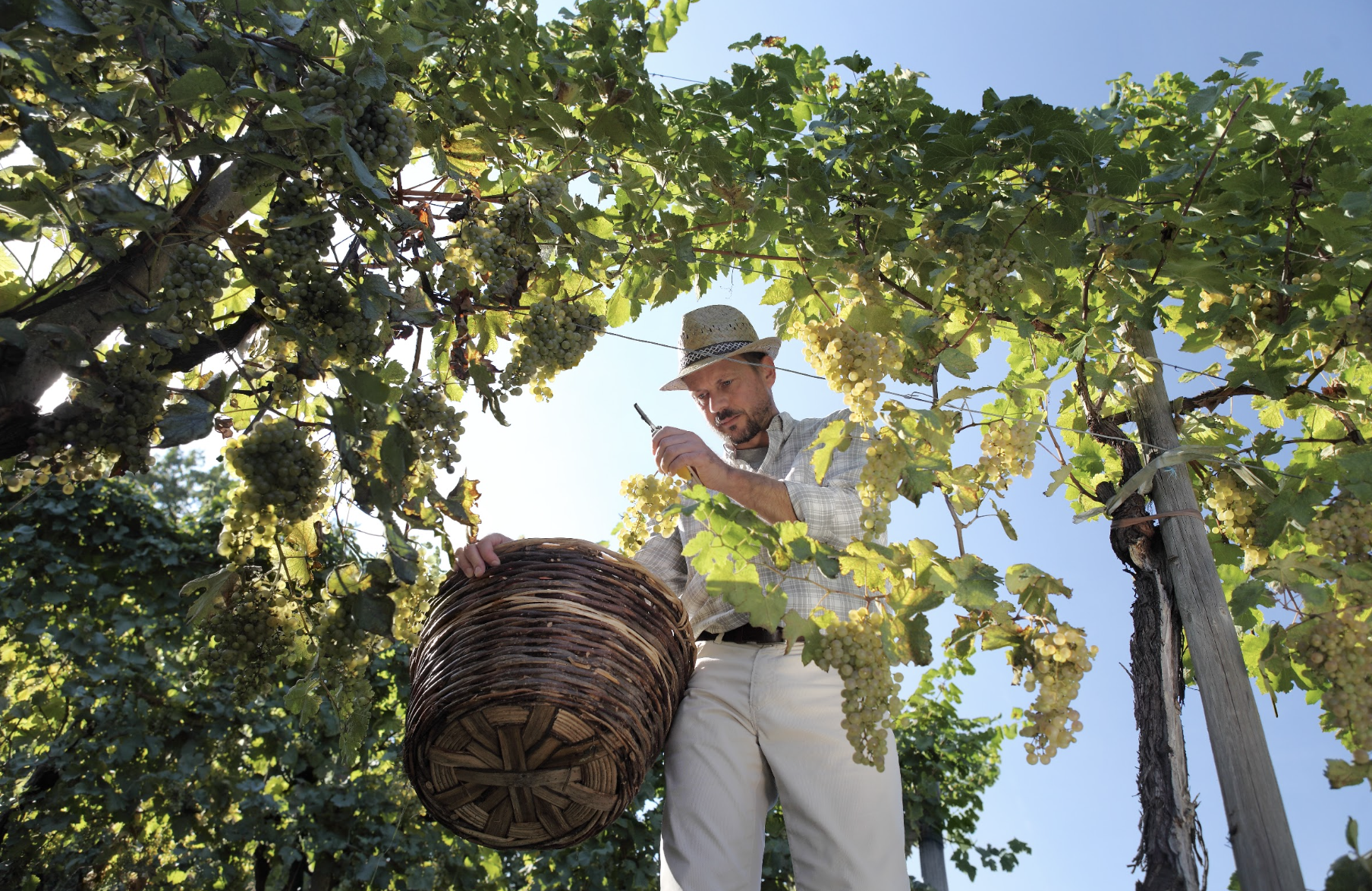
Tucked into northwestern Italy at the foot of the Alps — Piemonte literally means “foot of the mountain” — it’s home to two of Italy’s most prestigious wines, Barolo and Barbaresco, both made from the Nebbiolo grape.
Make Alba your base. The handsome small city is surrounded by the UNESCO-listed vineyard landscapes of the Langhe, where rolling hills are quilted with vines and topped with medieval villages and castles.
This is slow-travel country: winding roads, family wineries, long lunches and very little incentive to hurry.
Especially in fall, when Alba celebrates its famous white truffles and the vineyards turn gold. Barolo and truffles on an autumn afternoon in Piedmont? Sometimes travel really is as good as the brochure promised.
And Piedmont isn’t all serious reds. It’s also home to Moscato d’Asti, delicately sparkling, aromatic and sweet. Apparently even sophisticated friends like to let their hair down.
Venice may be Veneto’s superstar, but head north from the canals, and you’ll discover another of the region’s great liquid attractions.
The Prosecco Hills of Conegliano and Valdobbiadene ripple toward the Dolomites in impossibly green folds. They’re UNESCO-listed, too, and the vineyards can be so steep that much of the work is still done by hand.
Follow the Strada del Prosecco, Italy’s oldest official wine route, through villages and vineyards where Glera grapes become everything from cheerful aperitivo bubbles to more complex Proseccos from prized hillside plots.
But Veneto has another wine personality altogether.
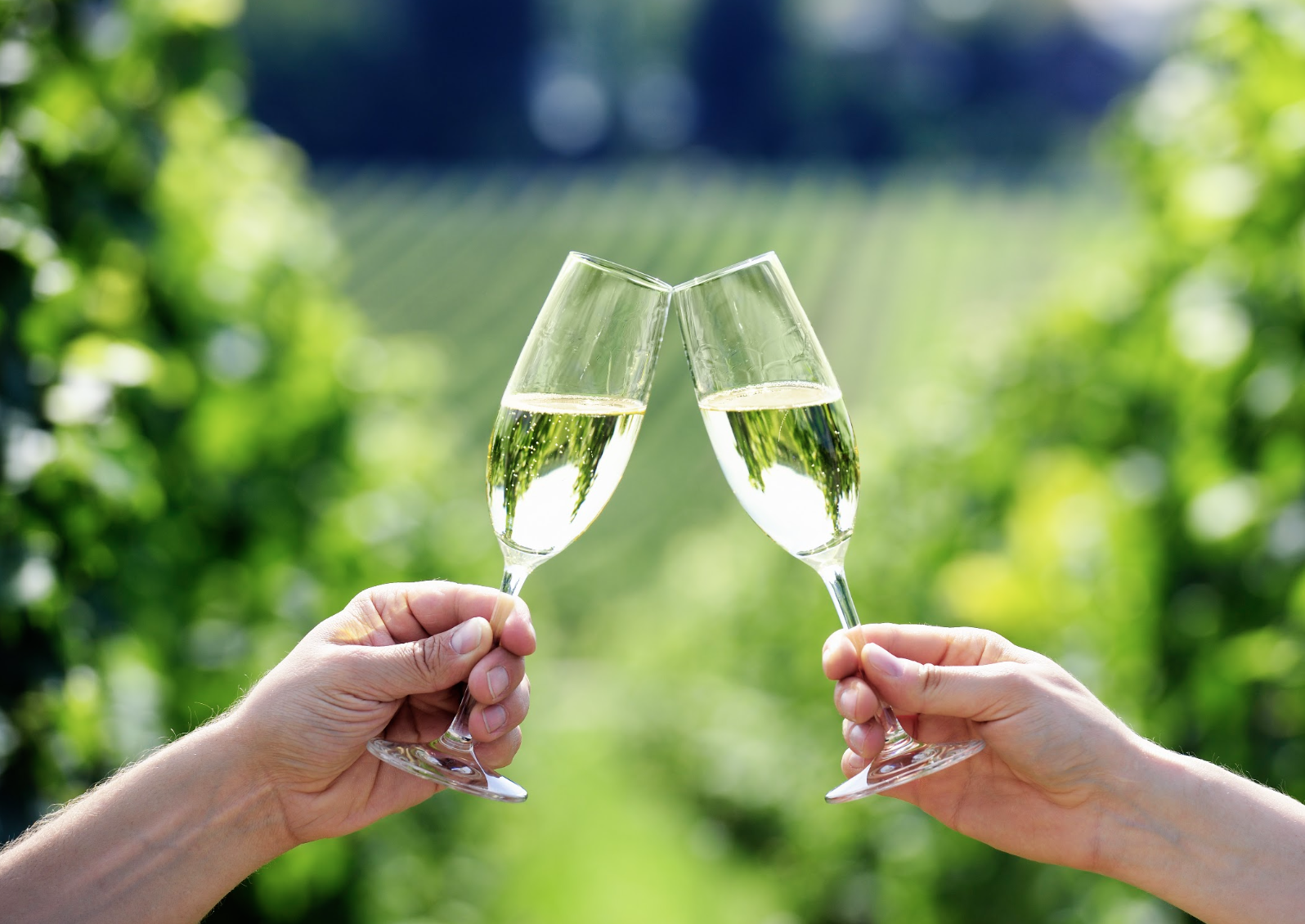
Around romantic Verona and Lake Garda lies Valpolicella country, home to fresh, food-friendly reds as well as Amarone, the region’s rich, powerful wine traditionally made from partially dried grapes.
Bubbles, big reds, Verona, Venice and Lake Garda? Veneto over-delivers on wine tourism and iconic Italian experiences.
For Italy’s wild-card wine adventure, keep heading south, and overwater across the Strait of Messina.
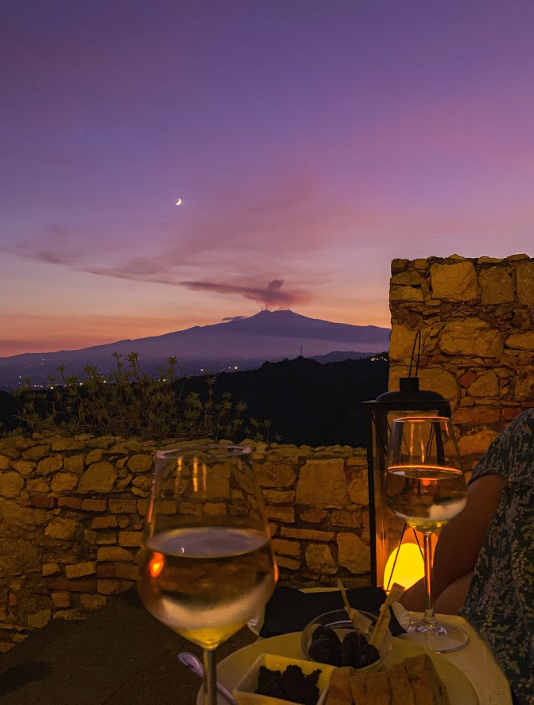
Sicily combines ancient winemaking traditions, indigenous grapes, and landscapes that can be wonderfully dramatic. And nowhere is that more obvious than Mount Etna.
Vineyards climb the dark slopes of Europe’s highest active volcano, where altitude, lava-derived soils and dramatic temperature changes help create remarkably distinctive wines.
Nerello Mascalese is the red grape to remember; Carricante is one of Etna’s white stars. Some vines are remarkably old, partly because volcanic, sandy soils helped protect vineyards from phylloxera, the pest that devastated much of Europe’s wine country in the 19th century.
But Etna is only one chapter of Sicily’s wine story. Look for Nero d’Avola, elegant Frappato, historic Marsala, and wines from Sicily’s smaller offshore islands.
And admit it: the vacation story you want to share is “I spent the afternoon wine tasting on an active volcano.”
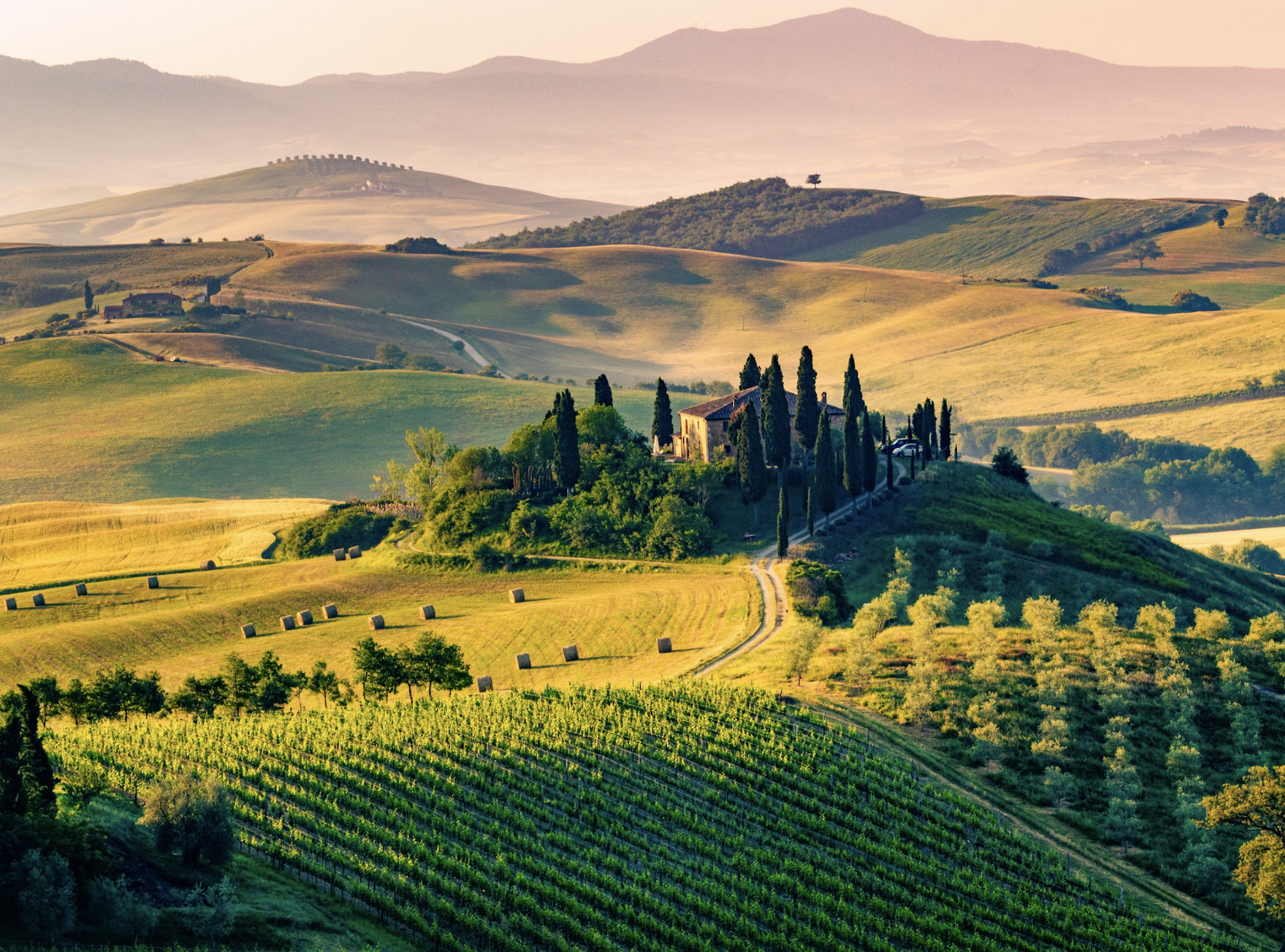
None of this means breaking up with Tuscany. Chianti, Brunello and those glorious Tuscan landscapes aren't going anywhere.
Just consider seeing other wines. And exploring all of Italy one wine region at a time.
START YOUR TRIP!
Images: Getty
All rights reserved. You are welcome to share this material from this page, but it may not be copied, re-published, broadcast, rewritten or redistributed.
by Erika Docor on 09/24/2026
Vienna has spent centuries perfecting the art of living well. Coffee and cake in chandeliered cafés. Music, art and architecture on an imperial scale. And, increasingly, some serious pampering behind the doors of the Austrian capital’s luxury hotels.
But these days, “wellness” during your trip to Vienna can involve much more than a massage.
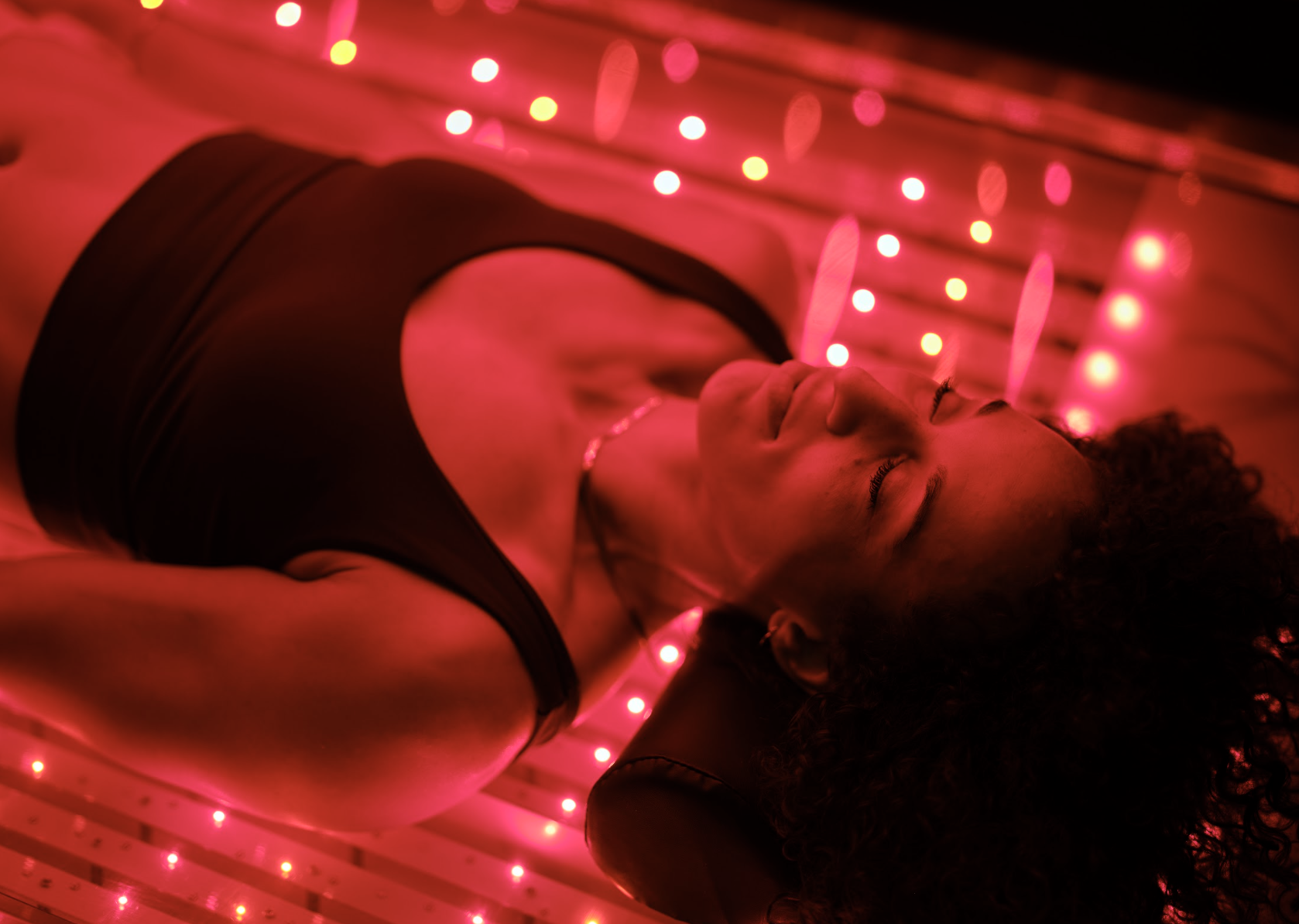
The city’s luxury hotel spas still deliver plenty of old-school indulgence, often in spectacular historic surroundings. At the same time, a new generation of wellness centers inside luxury hotels and beyond is introducing longevity-focused experiences like cryotherapy, red light and oxygen therapies, infusions, genetic testing, and even brain-health analysis.
In other words, you can come to Vienna for the fairytale Baroque design and history – and stay for the biohacking.
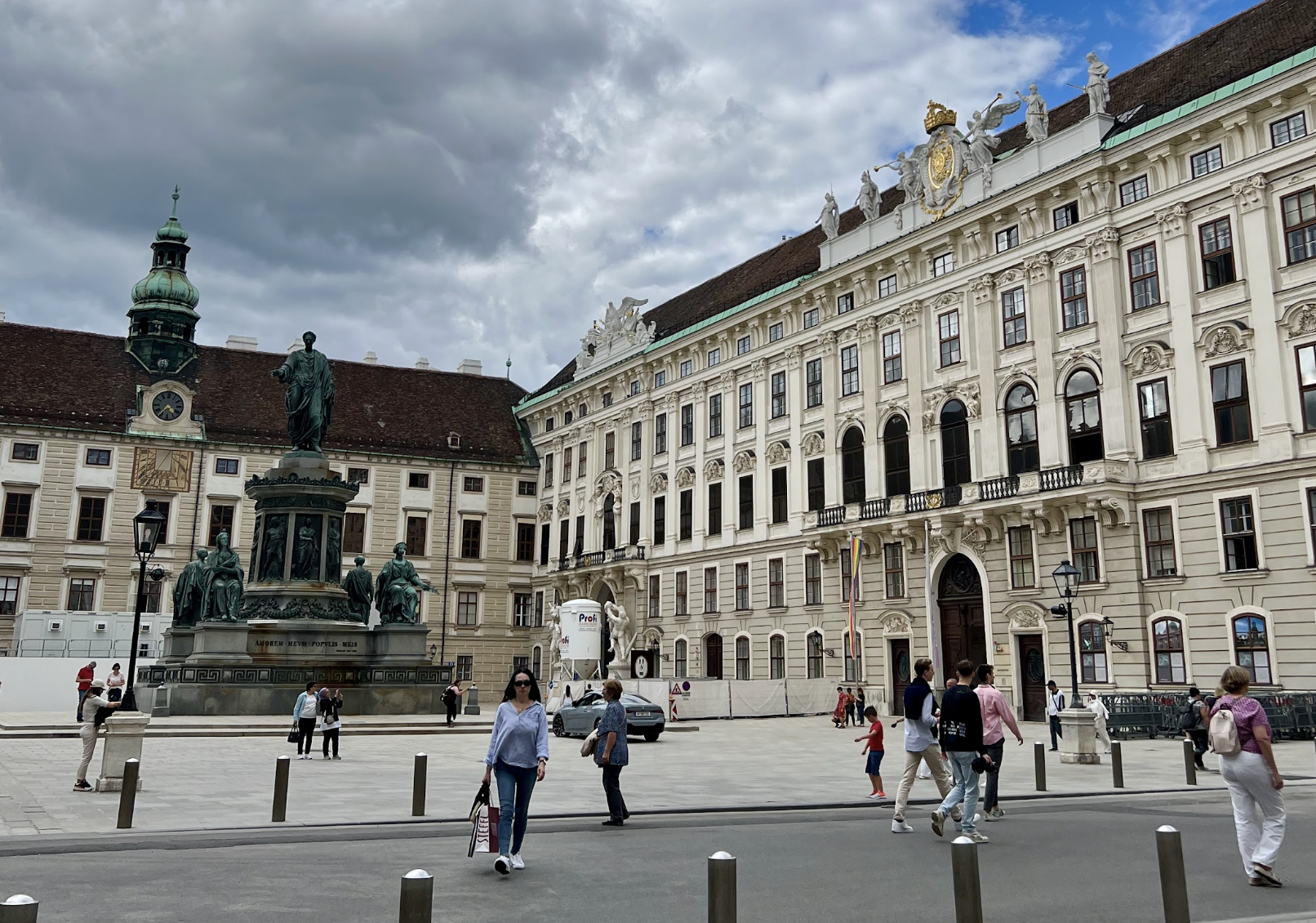
Vienna’s spa scene starts exactly where you might expect: in some of the city’s most storied hotels.
At Mandarin Oriental, Vienna, a meticulously restored Art Nouveau landmark conceals a 7,500-square-foot spa with a 43-foot heated indoor pool. Treatments draw on Traditional Chinese Medicine, while “The Artisan” turns the European sauna tradition into a three-hour ritual of aromatic infusions, steam exfoliation, and traditional sauna whisking.
The setting is even more unexpected at Park Hyatt Vienna’s Arany Spa, tucked into the former vaults of a historic bank. Beneath soaring ceilings, guests swim laps in a 49-foot pool accompanied by underwater music. “Arany” means gold in Hungarian, inspiring the spa’s gold-infused signature treatments. But here, tradition is already meeting the new wellness frontier: the spa has added a cryotherapy chamber.
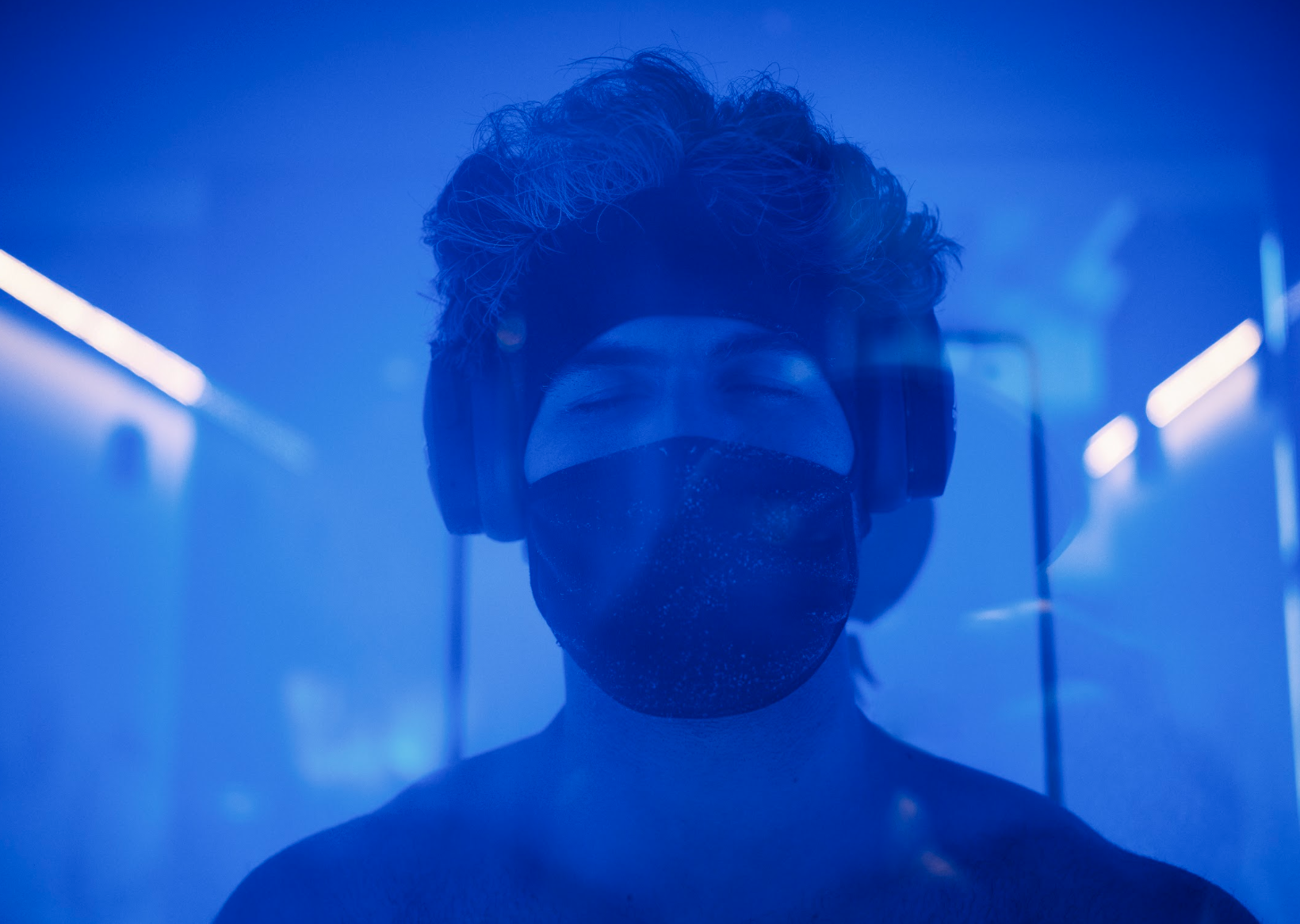
At Anantara Palais Hansen Vienna, the 1873 palace now houses an 8,600-square-foot spa with a hydrotherapy pool, saunas, a steam room, treatments, and fitness facilities. Guests who prefer wellness in the fresh air can choose among three recommended running routes directly from the hotel.
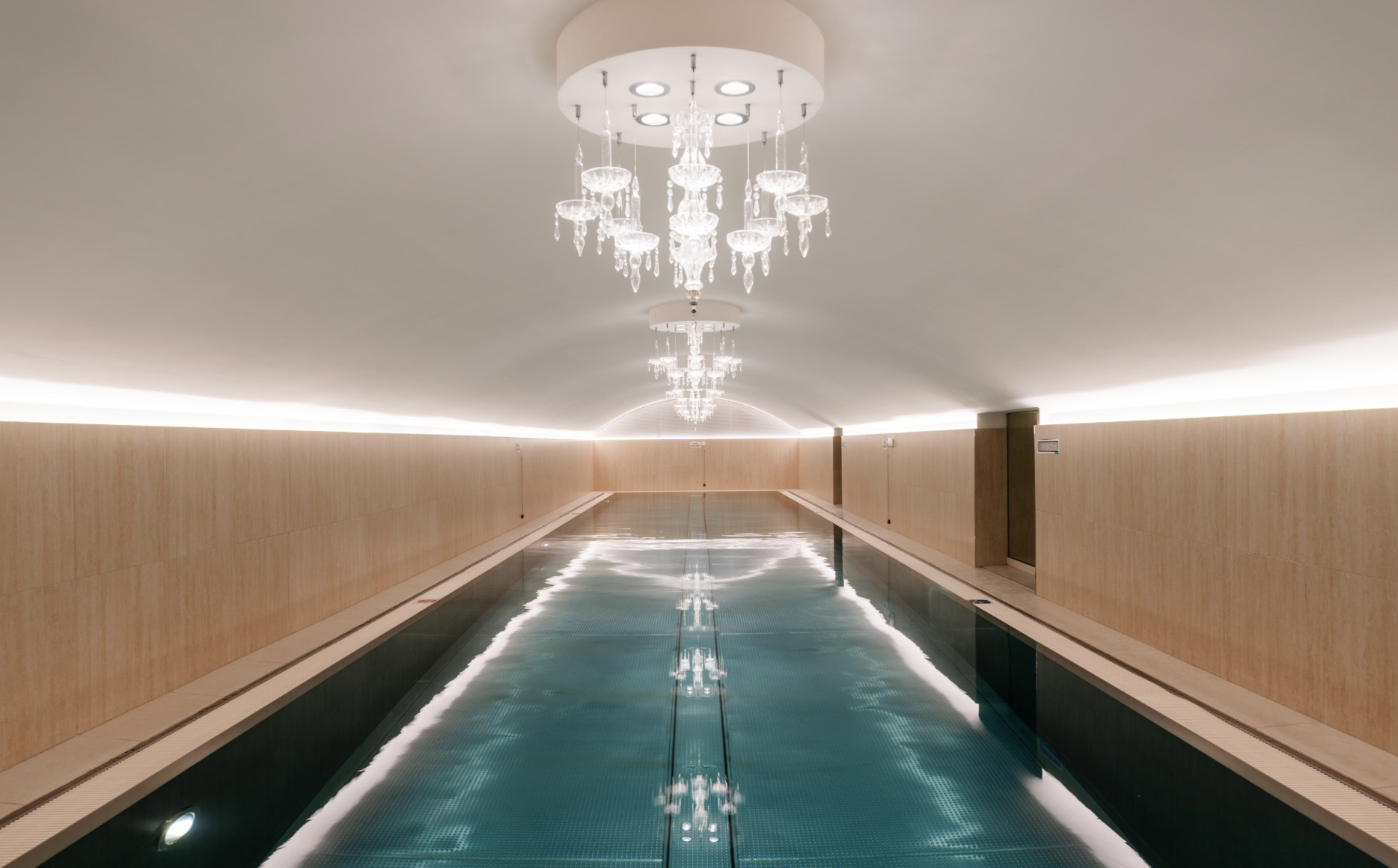
Hotel Sans Souci Vienna makes another kind of splash with what it says is Vienna’s longest hotel pool: 66 feet, dramatically illuminated by crystal chandeliers. Saunas, steam, ice treatments and an extensive massage menu round out the experience.
Meanwhile, Almanac Palais Vienna gives the traditional facial a distinctly modern vocabulary. Its “Viennese Lift & Glow Ritual” combines gua sha, cupping, dry brushing and cryo massage.
And at boutique The Amauris Vienna, the pool sits beneath a glass roof in an interior courtyard. Treatments play with color, scent and sound, and the spa is reserved exclusively for hotel guests – making it one of the city’s more private wellness retreats.
Beyond Vienna’s hotel spas, wellness is taking an even more ambitious turn.
“Longevity” has become one of the hottest concepts in global wellness travel. The idea is no longer simply to relax during a vacation, but to use diagnostics, technology, nutrition, and targeted therapies to improve long-term health – and potentially extend the number of years we remain healthy and active – and traveling!
Vienna is becoming an interesting urban hub for that trend.
Biogena Plaza, which calls itself a “Luxury Health Day Spa,” has locations on Operngasse and Mariahilfer Strasse and is deliberately accessible to walk-ins. Its menu reads more like something from the wellness future: whole-body cryotherapy, red light, magnetic field and oxygen therapies, lymphatic drainage, bone-density measurements, skin analysis and physician-supervised vitamin infusions and health checks.
Its Operngasse location also incorporates a medical area operated by Mayrlife, bringing diagnostic and preventive approaches based on modern Mayr medicine from the celebrated Austrian health resort into the heart of Vienna.
The Longevity Center Vienna pushes even further into the intersection of medicine and technology. In addition to cryotherapy, oxygen and red-light treatments, lymphatic drainage and 3D body scans, it offers dozens of physician-supervised infusions and vitamin shots.
Its particularly intriguing specialty is the brain. The center analyzes brain function, including activity and cognitive responses, to help develop personalized preventive health programs – adding cognitive wellness to the longevity conversation.
At the Healthy Aging Medical Center Vienna, the approach begins deeper still: with genetics and epigenetics. Genetic testing and biological age assessments form the foundation for individualized programs involving nutrition, exercise, and, where medically appropriate, hormone therapies.
But you don’t have to trade a slice of Sachertorte for vitamin shots.
Vienna’s new longevity experiences are appearing alongside the things that have always made the city such an appealing place to spend a few days: culture, cuisine, beautiful hotels and the city’s renowned appreciation for taking time to enjoy life.
Now it helps you make it last longer.
START YOUR TRIP!
Images: Top image: Almanac Palace Vienna Pool, copyright Tony Gigov photography, courtesy Vienna Tourism Board
Hofburg Palace: Lynn Elmhirst, cruise/ travel journalist and expert
Sans Souci’s Pool with chandeliers, copyright Chuttersnap, courtesy Vienna Tourism Board
Cryogenic treatment and Red light therapy: Getty
All rights reserved. You are welcome to share this material from this page, but it may not be copied, re-published, broadcast, rewritten or redistributed.
by Erika Docor on 09/09/2026
Two new Caribbean resort openings show travelers just how far the concept of the all-inclusive holiday is stretching, with lifestyle hotels translating their unique identities into all-inclusives and focusing less on buffets and the beach and more on wellness retreats, culinary travel, and immersive cultural experiences.
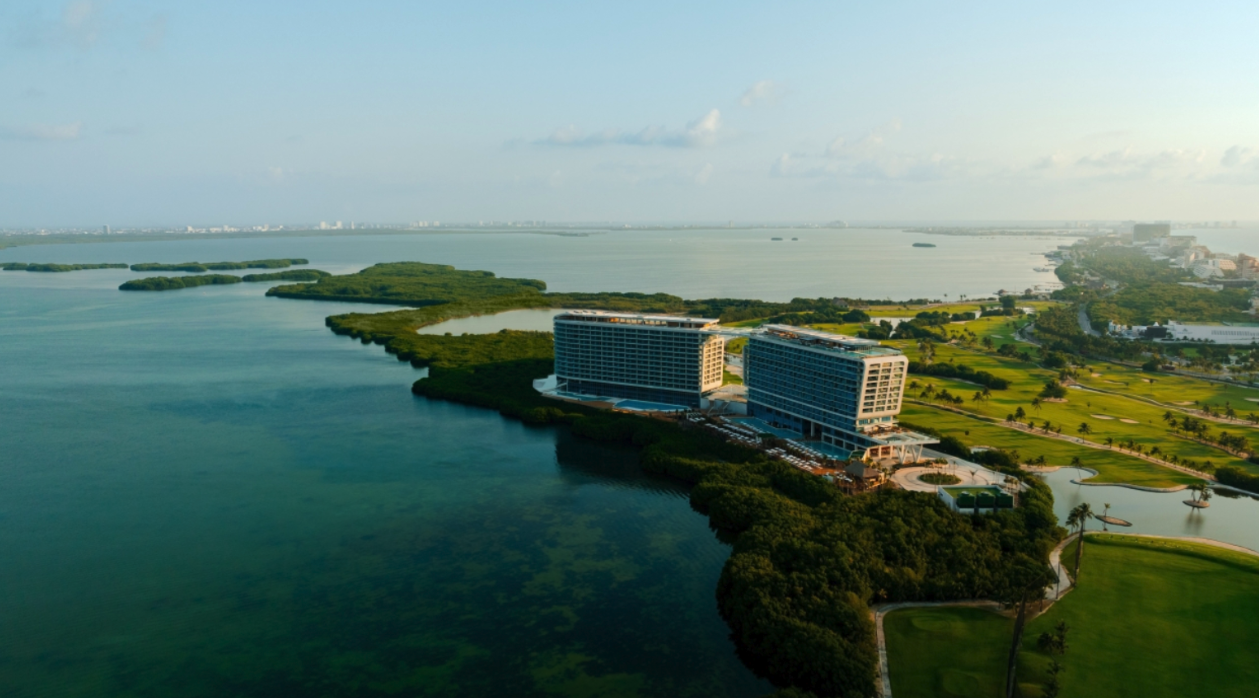
In Cancun, Mondrian is taking its famously design- and culture-driven hotel concept all-inclusive for the first time.
Meanwhile, in the Dominican Republic, the new adults-only Hyatt Vivid Punta Cana puts wellness, flexibility, social connection, and local culture at the heart of its interpretation of the all-inclusive vacation.
In other words, the wristband — literal or metaphorical — no longer has to define the experience.
The new Mondrian Cancun represents a significant crossover: a brand best known for stylish urban and resort hotels in places like Los Angeles, Miami, Cannes, Ibiza, Singapore and Hong Kong is entering all-inclusive territory, starting in Mexico.
Its 400 rooms and suites occupy a high-rise between the Caribbean Sea and Nichupté Lagoon, with contemporary interiors designed to keep the surrounding landscape in the spotlight.
But the bigger story is what Mondrian is bringing to the all-inclusive model: the social energy, design, dining, and nightlife of one of its landmark lifestyle hotels.
There are 10 dining venues and six bars, ranging from Mexican cuisine at Cuyo and Japanese fare at Niko to casual food-truck bites. Allegra features what the resort says is Cancun’s longest rooftop infinity pool, while Bungalow Beach Club gives guests a separate private beachfront playground reached by complimentary shuttle.
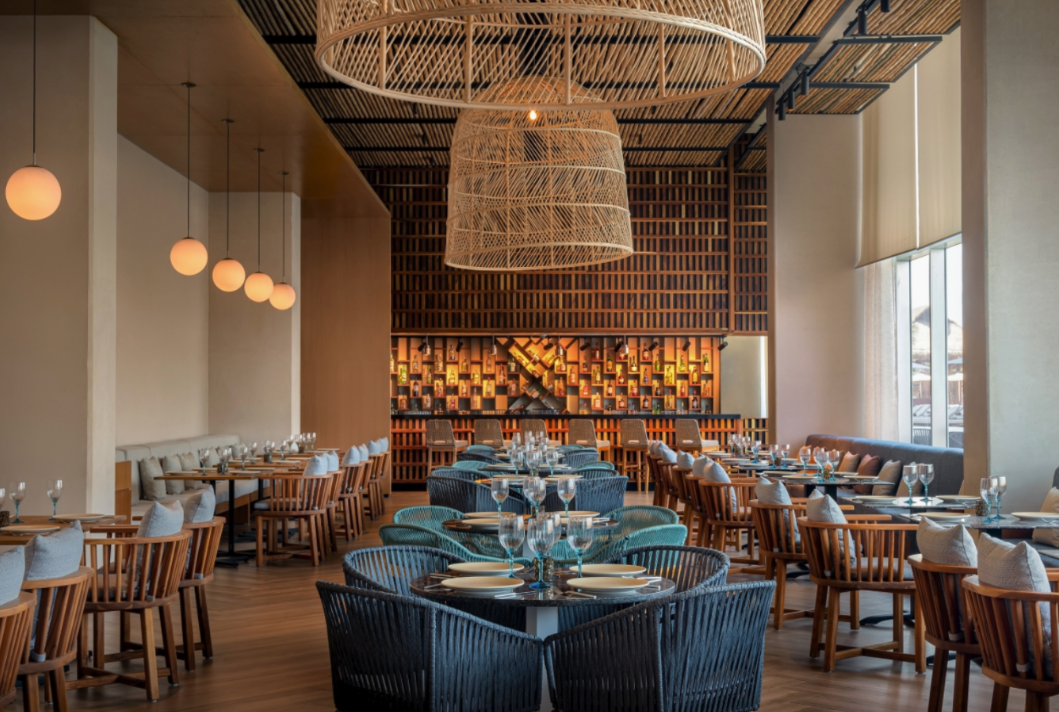
Entertainment stretches from mindful movement and wellness to live music, DJ sets and curated events. Mondrian+ takes things further with top-floor accommodations, wraparound terraces, butler service, private check-in, preferred beach-club seating and exclusive rooftop facilities.
And the resort isn’t finished. A later phase is expected to add an expanded spa and fitness center, teens club, steakhouse and Cuban-inspired sunset bar.
It’s an all-inclusive resort behaving very much like a contemporary lifestyle hotel.
Over in the Dominican Republic, Hyatt Vivid Punta Cana takes a different route to the same destination: making all-inclusive feel less packaged and more personal.
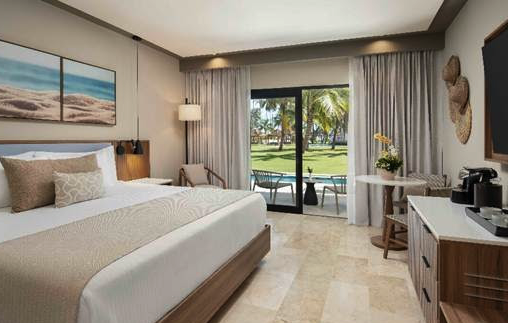
The new 467-room, adults-only beachfront resort at Cabeza de Toro is the first Hyatt Vivid in the Dominican Republic and is aimed at what Hyatt calls “social explorers” and “conscious connectors” — travelers who want plenty to do without feeling scheduled from breakfast to bedtime.
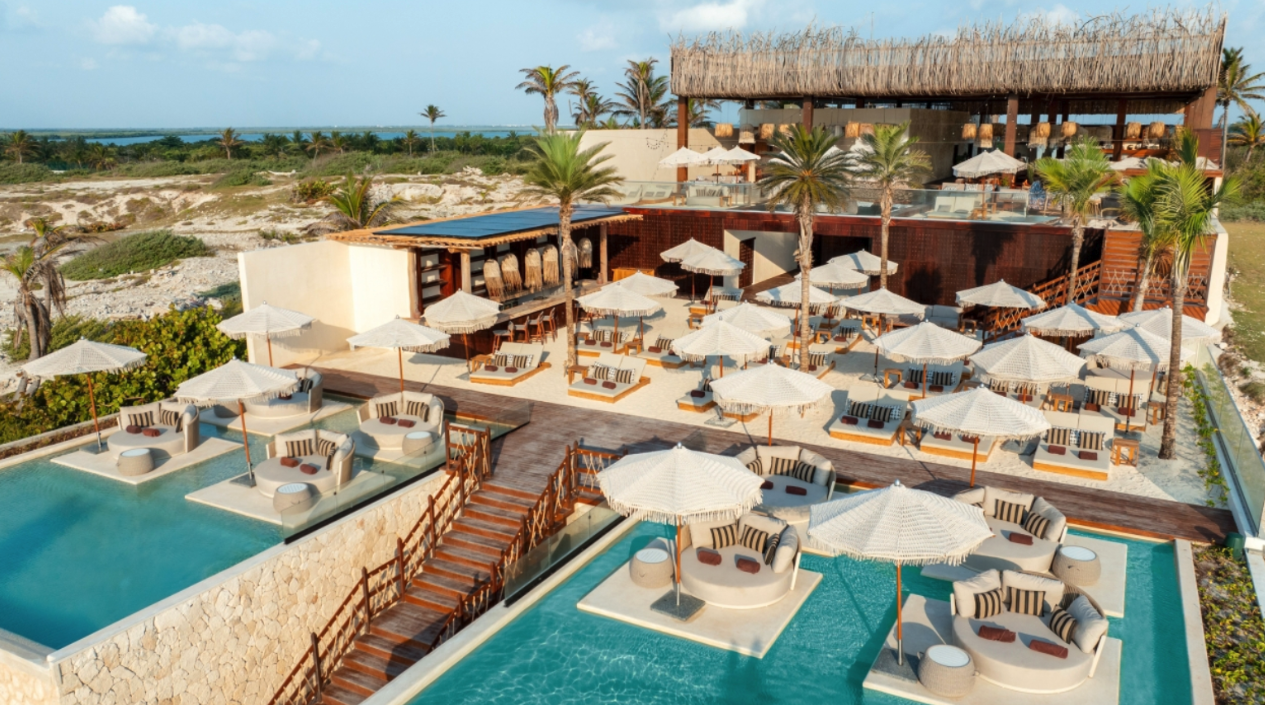
Its programming revolves around three ideas: flow, encompassing movement and wellness; discovery, connecting guests with local culture; and presence, emphasizing mindfulness and relaxation.
That translates into paddleboard yoga followed by wellness-focused nutrition, Dominican coffee “brew sessions” with healthy bites and DJs, stargazing, creative workshops, live music, and spa rituals featuring local cacao and tropical fruits.
Food is similarly flexible, with five à la carte restaurants, an international food hall, bar and grill, wellness café, seven bars and lounges — plus a hidden speakeasy guests can unlock through a creative workshop.
There’s also a notable emphasis on place. Dominican coffee, ingredients, art, music and traditions appear throughout the experience, pushing back against another old criticism of all-inclusives: that you enter a gated resort once and barely know what country you’re visiting.
These two new resorts aren’t identical — and that’s the point. Beyond the convenience of pre-purchasing almost every element of your vacation, all-inclusives are getting more specialized and sophisticated, not more cookie-cutter.
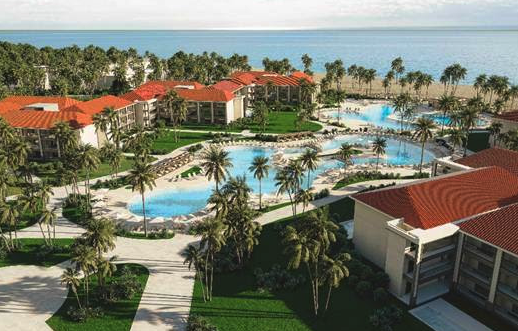
Mondrian is serving up its signature design, dining, nightlife and creative culture. Hyatt Vivid emphasizes wellness, spontaneity, social experiences, and local connections.
Increasingly, travelers are choosing an all-inclusive not simply because everything is included, but because what’s included reflects how you actually want your beach vacation.
START YOUR TRIP!
Images of Mondrian Cancun courtesy of Ennismore/Mondrian
Images of Hyatt Vivid Punta Cana courtesy of Hyatt Hotels
All rights reserved. You are welcome to share this material from this page, but it may not be copied, re-published, broadcast, rewritten or redistributed.
by Erika Docor on 09/09/2026
 Shawna Schrank
Sign up for our newsletter to learn about the latest product news and deals. Also receive exclusive offers, contest details and giveaways.