
A Christmas market river cruise may be the very best way to capture the spirit of the season. Instead of spending the weeks leading up to Christmas at your local shopping mall, imagine sipping mulled wine in medieval town squares, shopping for handcrafted gifts, and discovering holiday traditions in their homelands.
I've sailed Christmas market river cruises on both the Rhine and the Danube. Both rivers offer some of Europe's most rewarding cultural journeys at any time of year, but during Advent, they have distinctly different personalities.
Which Christmas market river cruise is right for you?
By Lynn Elmhirst, cruise and travel journalist and expert.
The route: Most Rhine Christmas market river cruises sail between Basel, Switzerland, and Amsterdam, the Netherlands, through four countries, including France and Germany.
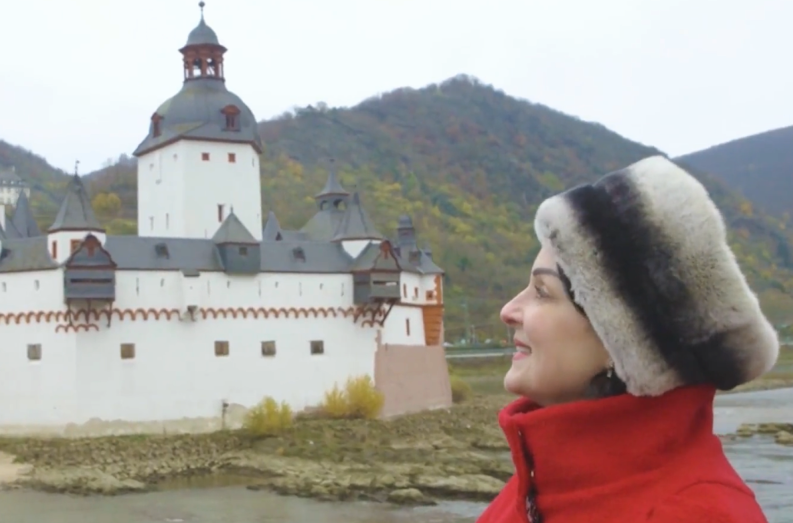
The atmosphere: Storybook Christmas. Half-timbered houses, medieval towns, Gothic cathedrals, Black Forest craftsmanship and many of the Germanic holiday traditions we've adopted in North America.

Christmas market highlights:
What to eat and drink: German gingerbread, bratwurst, Swiss cheese fondue, Alsatian choucroute and white mulled wine, a regional twist on traditional red Glühwein.

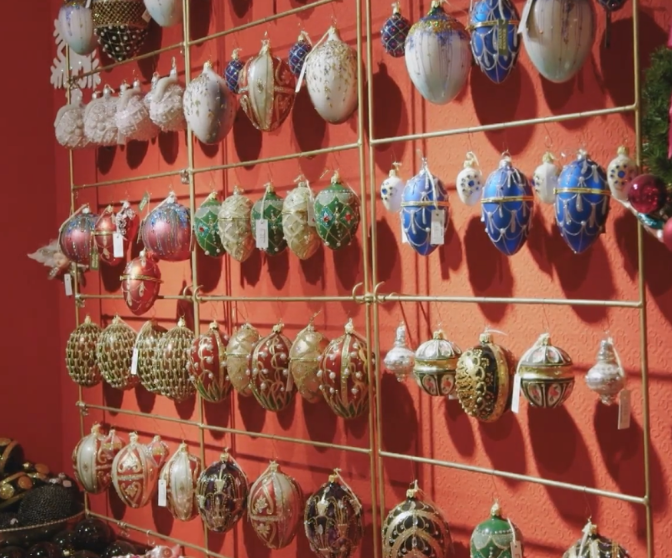
What to shop for: Nutcrackers, wooden Christmas pyramids powered by candle heat, hand-blown glass ornaments, and Black Forest handicrafts.
Scenic sailing highlight: The UNESCO-listed Upper Middle Rhine Valley, where dozens of castles overlook steep vineyards.
The route: Typically between Germany and Budapest, Hungary, through four countries, including Austria and Slovakia.
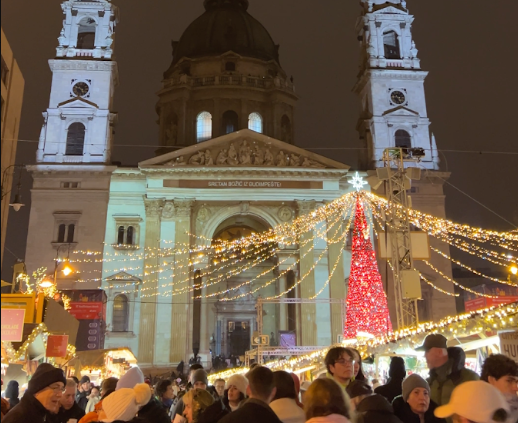
The atmosphere: Imperial Christmas. The legacy of the Habsburg Empire, magnificent palaces, grand boulevards, classical music, and elegant coffeehouses.
Christmas market highlights:
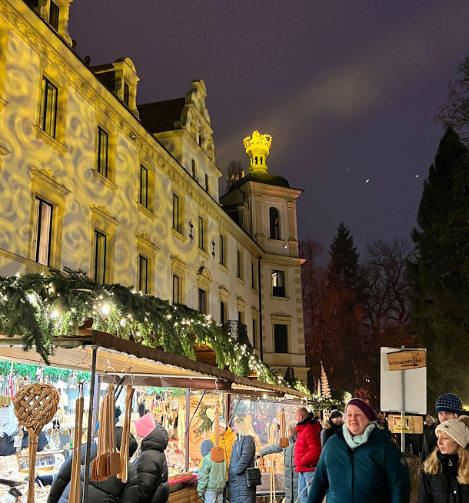
Two bonus destinations to look for on your itinerary:
What to eat and drink: Hungarian goulash, chimney cakes, Austrian Christmas cookies, Slovak potato pancakes and hot punch.

What to shop for: Beeswax candles, Hungarian embroidery, painted ceramics, especially ceramic Christmas tree ornaments in the shape of flower fairies, and felted wool clothes and crafts.
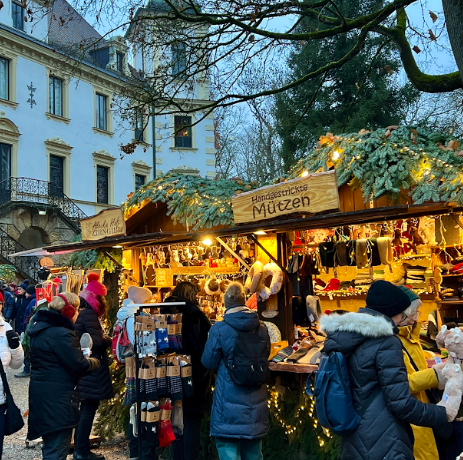
Scenic sailing highlight: The UNESCO-listed Wachau Valley. Sailing past its terraced vineyards, castle ruins, and historic wine-making villages is one of my favorite stretches of the Danube.
START YOUR TRIP!
Story and images: Lynn Elmhirst
All rights reserved. You are welcome to share this material from this page, but it may not be copied, re-published, broadcast, rewritten or redistributed.
by Lynn Elmhirst on 11/26/2026
November 24 marks ‘Origin Day,’ the anniversary of the publication in 1859 of Charles Darwin’s On the Origin of Species, a book that forever changed our understanding of life on Earth – and continues to inspire travelers today. It’s one of the most-cited entries on adventurous travelers’ bucket lists: a journey to the islands whose extraordinary wildlife helped shape one of the most revolutionary scientific theories of all time.
Darwin was just 26 years old when he arrived in the Galapagos Islands in 1835 aboard the HMS Beagle. He spent about five weeks exploring the archipelago, collecting specimens and making close, astute observations of its wildlife that would shape his theory of evolution by natural selection.
Nearly two centuries later, you can rediscover the wildlife, land- and seascapes that inspired Darwin on an expedition of your own.
Straddling the equator about 600 miles off the coast of Ecuador, the volcanic islands are a UNESCO World Heritage Site and a living laboratory of evolution. Their isolation has resulted in the development of species found nowhere else on Earth, and one of the greatest delights of visiting the Galapagos is how remarkably unfazed many of the islands’ creatures are by human visitors.
Here are some of the discoveries to make on your own Galapagos expedition.
The islands take their name from an old Spanish word associated with the saddle-shaped shells of some of their giant tortoises.
These gentle giants can weigh hundreds of pounds and live well over a century. Different island populations developed distinct characteristics, including shell shapes that help them access vegetation in different environments.
Visit the highlands of Santa Cruz Island to see giant tortoises roaming in the wild, and the Charles Darwin Research Station to learn about the extraordinary conservation and breeding programs helping restore tortoise populations across the archipelago.
Darwin’s finches are among his most famous examples of evolution. Their different beak shapes and sizes are adaptations to different food sources, from seeds to insects to cactus flowers.
Interestingly, the differences among the islands’ mockingbirds particularly caught Darwin’s attention during his visit.
But you don’t need to be a scientist to be charmed by the Galapagos’ feathered residents.
Today, perhaps the most famous Galapagos birds are its blue-footed boobies! They show off their brilliantly colored feet in an endearing courtship dance. Add to your list magnificent male frigatebirds, who inflate enormous, scarlet throat pouches to attract a mate.
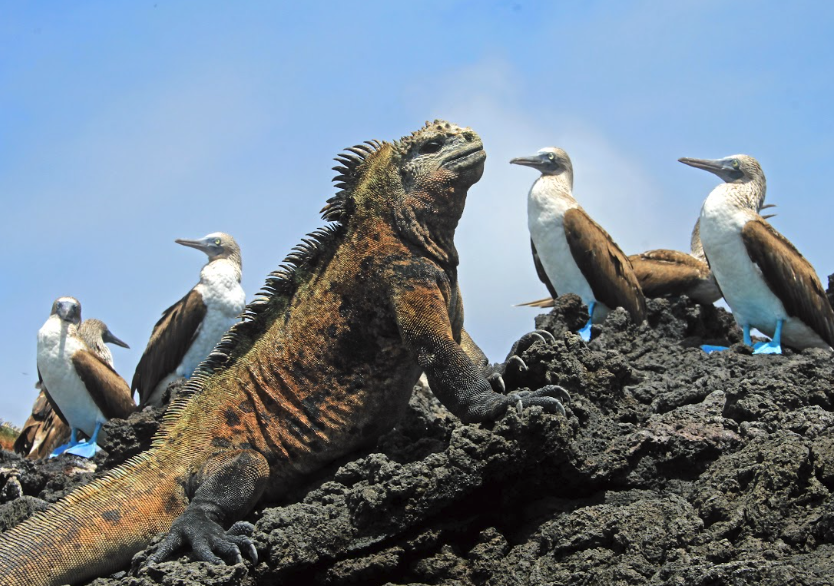
Galapagos marine iguanas look like miniature prehistoric monsters, especially when they congregate on black volcanic rocks to warm themselves in the sunshine.
They’re the only lizards in the world that forage in the sea, feeding on marine algae. They’ve even evolved the ability to expel excess salt through specialized nasal glands – so don’t be surprised if one appears to sneeze in your direction!
Penguins probably aren’t on your tropical vacation bingo card, but the Galapagos penguin is the only penguin species naturally found north of the equator.
Cool ocean currents help make these equatorial islands hospitable to penguins and an astonishing variety of other marine life.
Pack your sense of adventure for snorkeling excursions where you may find yourself swimming alongside sea turtles, rays, marine iguanas, and playful Galapagos sea lions.
The Galapagos’ evolutionary story isn’t just about wildlife. The islands themselves are at different stages of geological development.
On younger islands like Fernandina, vast expanses of relatively recent lava flows reveal the archipelago's volcanic origins, while older islands feature more established vegetation and weathered landscapes.
It’s a fascinating opportunity to see how life takes shape in seemingly inhospitable environments.
An expedition cruise is one of the best ways to explore the Galapagos, maximizing the number and variety of islands you can visit without constantly packing and unpacking.
Expert naturalist guides accompany excursions, helping you appreciate the significance of what you’re seeing, while strict national park regulations help protect the islands’ fragile ecosystems.
Unlike Darwin, you can enjoy comfortable accommodations, excellent cuisine, and even a sunset cocktail following a day of scientific discovery.
The one thing you should bring that Darwin did? An insatiable curiosity about the natural world around us.
Images: Getty
All rights reserved. You are welcome to share this material from this page, but it may not be copied, re-published, broadcast, rewritten or redistributed.
by Lynn Elmhirst on 11/26/2026
For generations, a winter vacation in Europe meant skis – and an après-ski lifestyle - in the Alps. But these days, more savvy travelers are discovering the joys of visiting Europe’s great cities, countryside and coastlines in what’s now being called not winter, but the ‘quiet season.’
The features of the seasons in Europe are rapidly changing. Increasingly hot summers can send travelers – literally – for the hills, rather than some of the most popular cities on the continent. At the same time, summer remains peak travel season, with European and North American school holidays driving demand for flights, hotels and attractions.
Meanwhile, increasingly mild winters, particularly in southern Europe, are making the traditional off-season more appealing.
It’s all adding up to new calculations about when to plan your next European vacation.
Once the Christmas markets wind down and the New Year’s revelers go home, you have a window of opportunity – and good reason - to experience a different side of Europe.
Imagine visiting Rome without seeking refuge from the midday heat, or strolling through the streets of Venice without navigating a sea of fellow travelers.
Winter is arguably the ideal time to indulge in some of the experiences that drew you to Europe in the first place.
Spend hours in the great art museums of Paris, Florence, or Madrid without feeling you’re wasting a beautiful summer’s day. Or lining up. Linger over lunch in a traditional Viennese coffeehouse or sample hearty regional dishes that are at their best in cooler weather.
Even in destinations where you need to bundle up in the winter months, there are compensations: the opera, ballet and classical music seasons are in full swing, and you’re sharing restaurants, markets and neighborhood cafes with locals rather than fellow visitors.
You may also find more attractive hotel and airfare prices, and better access to coveted restaurant reservations and tickets to major attractions.
Instead of trying to replicate a summer vacation in winter, embrace the experiences you can only have at this time of year.
February brings Carnival celebrations, from Venice’s elaborately costumed festivities to Nice's flower parades, while the French Riviera also brightens with the winter mimosa season.
Truffle season is underway in parts of France, while in Spain you can enjoy oranges fresh from the winter harvest.
Pack layers, prepare for shorter daylight hours, and check seasonal opening hours, particularly in smaller resort towns. Remember, a winter vacation in southern Europe is more about comfortable sightseeing temperatures than guaranteed beach weather.
The next 2030 Winter Olympics will be the only Games to date where you can watch skiing in the morning and sip local Provencal rosé by the Mediterranean in the afternoon. The Winter Olympics in the Côte d’Azur / French Riviera is a joint endeavor between the coast and nearby regions of the Alps.
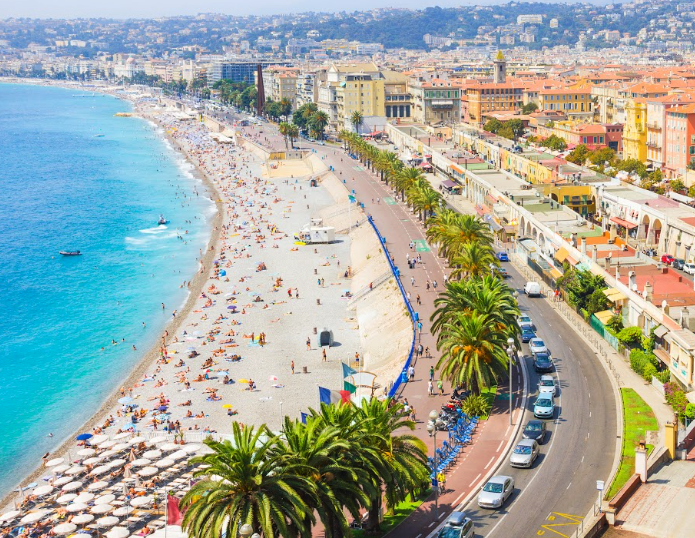
The iconic coastal city of Nice is the central hub of the Games, and will host indoor "ice" events. In the meantime, the "snow" or alpine events will be held in the nearby Alps – easy transit rides away.
And the closing ceremony is planned for Nice’s Promenade des Anglais, a historic first: a Winter Olympic finale with the Mediterranean Sea as the backdrop instead of a traditional stadium.
Perhaps the biggest endorsement of the growing appeal of European winter vacations is the number of cruise lines extending their seasons and even sailing year-round.
Once the last Christmas market river cruises wrapped up, Europe’s river cruise ships traditionally went into hibernation until spring.
Viking now sails year-round winter Rhine cruises, and AmaWaterways reduced its hiatus to just one month, with the new season starting in mid-winter.
The Rhine, with its concentration of cultural capitals, museums, cathedrals and historic towns between Amsterdam, Germany, Strasbourg, France, and Switzerland, is particularly well set up for winter exploration.
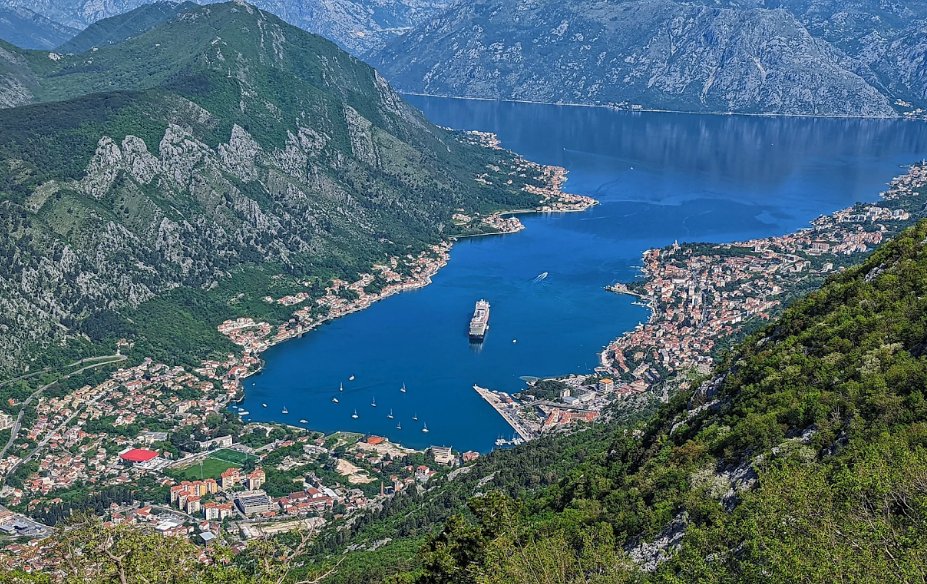
The real news is the growing critical mass of ocean cruise lines making the Med their winter home.
Along with locally-based MSC and Costa Cruises, Viking has made a splash by committing to year-round coastal itineraries in the South of Europe, with more cruise lines jumping on the winter Mediterranean bandwagon:
Windstar Cruises – Sailing the Mediterranean throughout winter since 2023, Windstar debuts its newest yacht, Star Explorer, in December 2026, with itineraries celebrating seasonal traditions, including Venice’s Carnival.
Explora Journeys – Introducing a full winter Mediterranean season in 2026–27.
Regent Seven Seas Cruises – Launching its first full winter Mediterranean season in 2026–27.
Celestyal Cruises – Adding Western Mediterranean winter cruising in both 2026–27 and 2027–28.
Oceania Cruises – Further expanding its winter program in 2027-28.
Holland America Line – Introducing year-round European cruising in 2027–28, including the Mediterranean, the Canary Islands, and Scandinavia during winter.
Not to mention Hurtigruten – which has long sailed Norway’s coastline year-round, with winter voyages offering opportunities to see the Northern Lights!
By: Lynn Elmhirst, travel journalist and expert
Image of Kotor, Montenegro courtesy of Holland America Line
Images of Nice and the Alps: Getty
All rights reserved. You are welcome to share this material from this page, but it may not be copied, re-published, broadcast, rewritten or redistributed.
by Lynn Elmhirst on 11/26/2026
The Cormorant at 55 South isn’t just a new, 150-room hotel at the southernmost tip of Chile. It’s a first-of-its-kind undertaking: the gateway to the White Continent for ultra-luxury cruise and expedition line Silversea’s Antarctica Fly Cruise program. Opening in November, 2026, the hotel debuts at the start of the 2026-2027 Antarctic season.
Every guest on Silversea’s Antarctica Fly Cruise expedition will now fly from Silversea’s private terminal in Santiago to Puerto Williams, Chile, on a Silversea-branded charter flight, stay at The Cormorant, and then continue their journey to Antarctica. They also stay at the hotel on their way home from their expedition cruise.
The Cormorant at 55 South is a complete land extension of the Silversea brand – stationary at its position 55 degrees south of the equator. The hotel provides the cruise line’s Antarctic guests the same service as on board its ships, with staff trained the same way shipboard team members are taught to provide the line’s acclaimed hospitality.
Built using modular construction, each of the 150 rooms was built in Argentina and transported across the Andes and Patagonia to The Cormorant’s place at 55 degrees south.
Its architecture and interiors draw on the landscape, local traditions, and regional materials, and that sense of place extends through the experience. Three large-scale works by Chilean artists bring the landscape, geology, and ecology of the far south into the hotel, while food and beverage begin with the destination itself and are built around local ingredients.
Each space is designed to bring the region to life, making the destination the very heart of the experience.
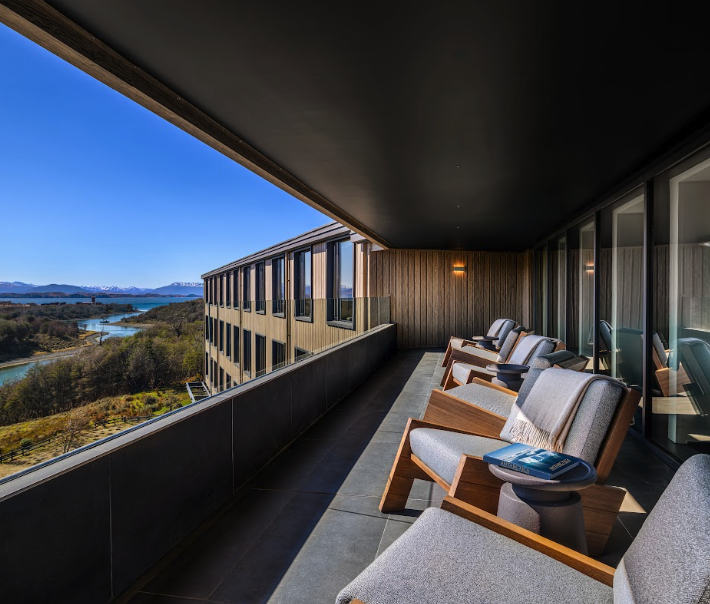
The Cormorant represents Silversea’s commitment to Antarctic expeditions and delivers an end-to-end, brand-consistent experience for guests on the White Continent.
In the hotel’s debut season through March, 2027, three ships: Silver Endeavour, Silver Wind, and Silver Cloud sail 40 voyages, including 29 Antarctica Fly Cruise expeditions, each featuring a stay at The Cormorant at 55 South.
The season’s itineraries range from six to 21 nights and extend beyond the Antarctic Peninsula to South Georgia and the Falkland Islands.
START YOUR TRIP!
Images courtesy of Silversea
All rights reserved. You are welcome to share this material from this page, but it may not be copied, re-published, broadcast, rewritten or redistributed.
by Lynn Elmhirst on 11/24/2026
Royal Caribbean has a new Legend — and it's making history in more ways than one! The cruise line's newest ship, Legend of the Seas, is the third in its groundbreaking Icon Class, following Icon of the Seas and Star of the Seas. Legend debuted in the Mediterranean in the summer of 2026 before crossing to her homeport of Fort Lauderdale’s Port Everglades for her official christening in November.
With eight distinct onboard neighborhoods, the largest water park at sea and an astonishing range of dining and entertainment, there's plenty for the ship’s 5600 guests to discover. But even if you've sailed on her sister Icon Class ships, Legend has some new tricks up her sleeve.
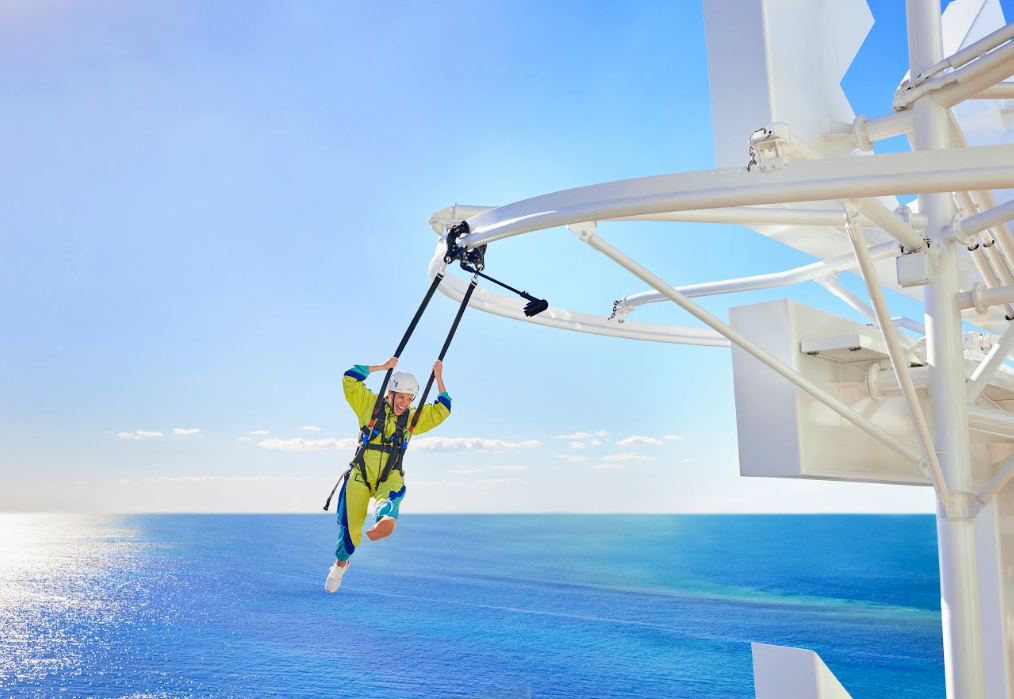
Here are 8 new experiences to put on your must-do list.
Forget the traditional cruise ship dining room. At Royal Railway — Legend Station, you're transported into a vintage railway carriage for a five-course culinary journey inspired by the ancient Silk Routes. Immersive technology, storytelling, and changing scenery turn dinner into a voyage within your voyage.
The new Hollywoodland Supper Club takes guests back to the golden age of cinema. Think jazz, cocktails, sophisticated multicourse dining and old Hollywood glamour, with a culinary and musical journey through the decades from the 1910s to the 1950s. It's a perfect excuse to dress up for dinner.
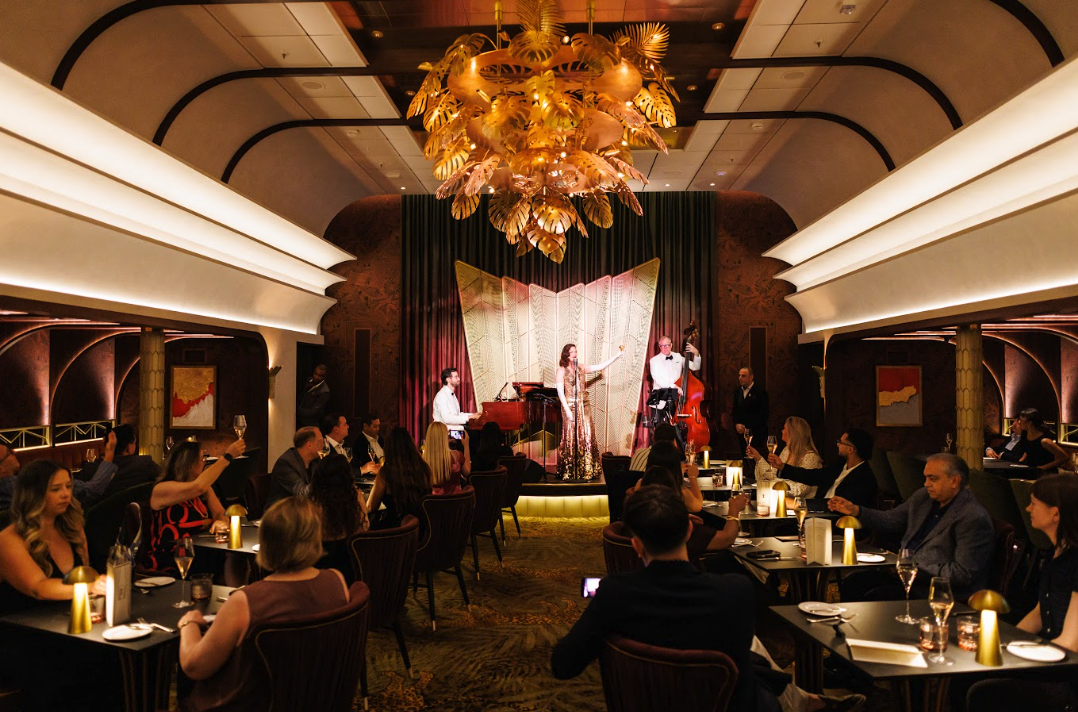
Roald Dahl's Charlie and the Chocolate Factory makes its Royal Caribbean debut aboard Legend. The full-scale Broadway musical brings Willy Wonka's wonderfully eccentric world to sea, complete with spectacular sets, costumes, and musical numbers. And unlike Broadway, the show is included in your cruise fare!
The television phenomenon takes the stage with America's Got Talent LIVE on Legend of the Seas. This first-of-its-kind cruise ship production features variety performers, from magicians and musicians to acrobats, bringing the energy of the hit television franchise to the Royal Theater.
Royal Caribbean has become famous for performances you won't see on traditional cruise ships. Legend's AquaTheater, beneath the spectacular glass AquaDome, introduces Shockwave, a new production combining high diving, aerial acrobatics, music and water effects. It's entertainment that makes a splash — literally.
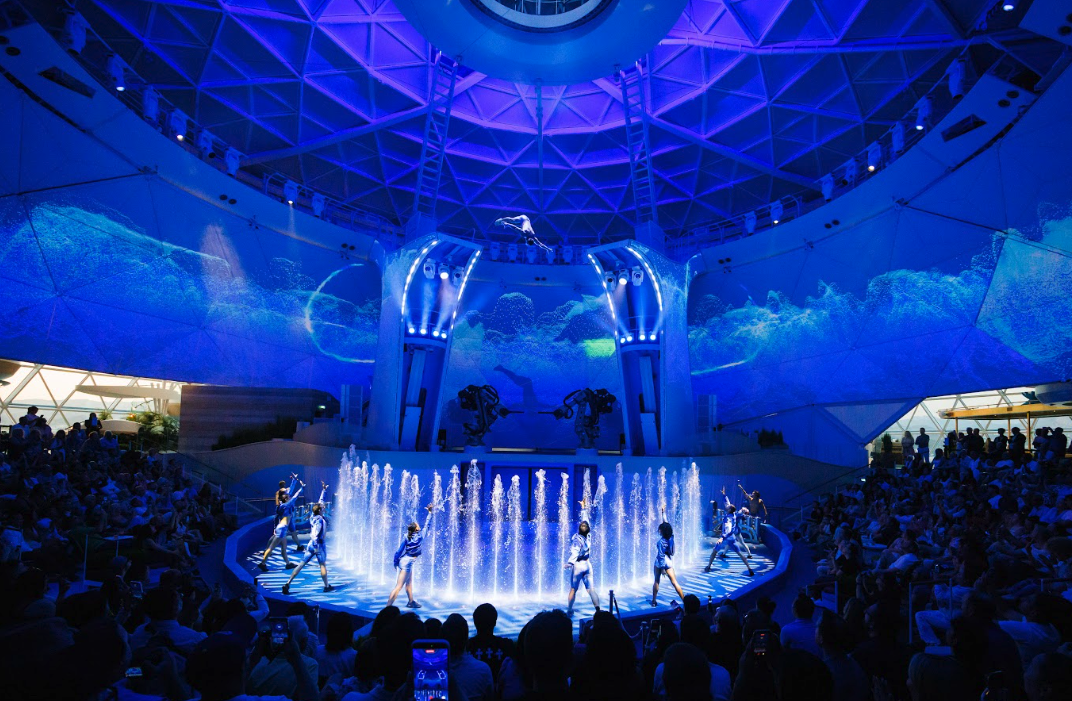
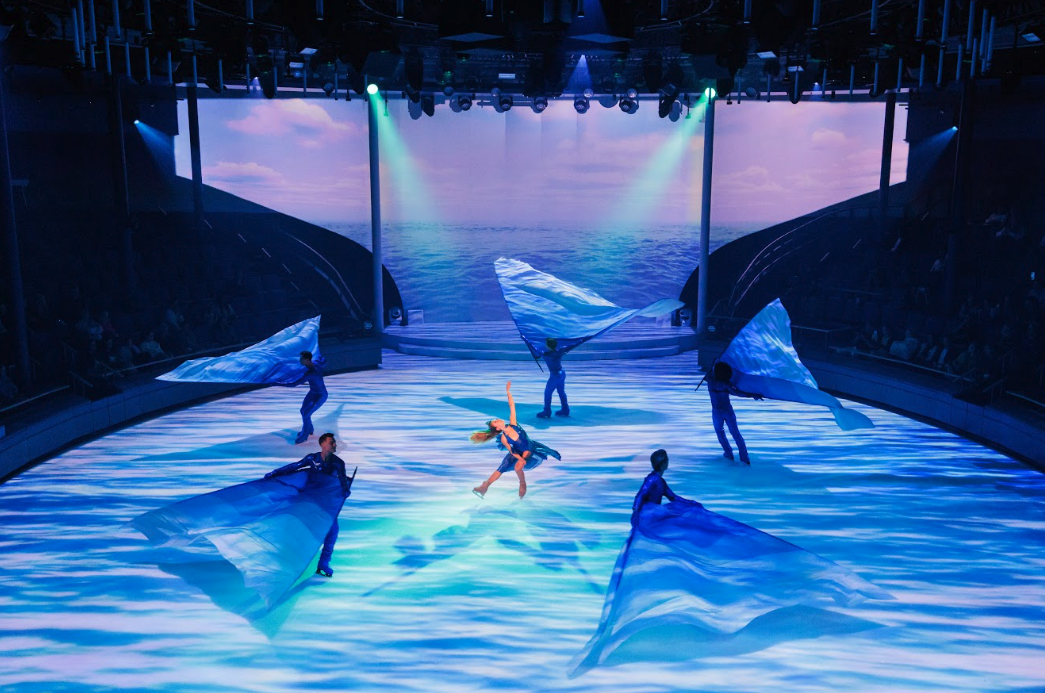
Yes, there's an ice rink on this Caribbean-bound ship! The enormous Absolute Zero arena hosts Fusion, a new ice-skating spectacular inspired by the forces of nature. It's another reminder that Royal Caribbean doesn't believe cruise entertainment should be limited to conventional theaters.
For the first time in the Royal Caribbean fleet, Casino Royale spans two decks. One particularly welcome innovation? A dedicated nonsmoking casino section, giving guests more choice in how they enjoy an evening at the tables or slot machines.
Here's a fun piece of cruise trivia: Legend of the Seas is Royal Caribbean's first ship to reuse the name of an earlier vessel. The original Legend debuted in 1995, and guests can find a model of that ship in the new Legend's Schooner Bar — a little maritime nostalgia aboard one of the world's most technologically advanced cruise ships.
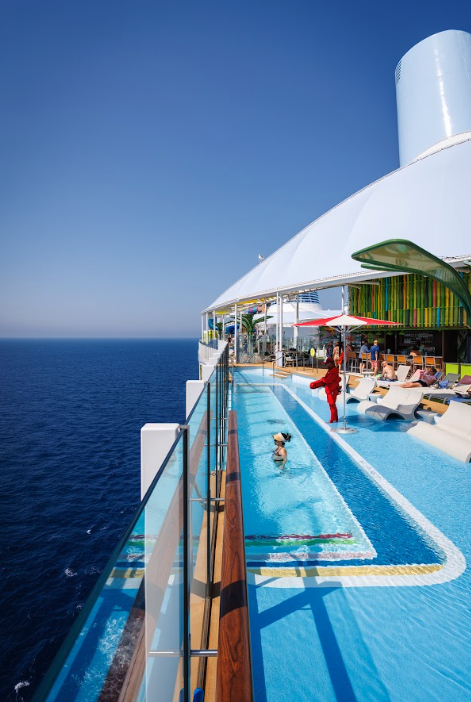
Following her naming ceremony, Legend of the Seas is now taking vacationers on 6-night Western Caribbean getaways to Cozumel, Mexico, and 8-night Southern Caribbean vacations to Oranjestad, Aruba; Willemstad, Curaçao; Cabo Rojo, Dominican Republic, and more.
Every Legend cruise calls at Royal Caribbean's private island beach destination, Perfect Day CocoCay, for a land-based day of crystal-clear waters and white-sand beaches, a thrilling waterpark with 14 waterslides, pools, swim-up bars, an adults-only oasis, cabanas and more.
START YOUR TRIP!
Images courtesy of Royal Caribbean Cruise Line
All rights reserved. You are welcome to share this material from this page, but it may not be copied, re-published, broadcast, rewritten or redistributed.
by Lynn Elmhirst on 11/16/2026
The latest travel trends come with their own new terms and appeal to every generation of traveler. Are any of these approaches to travel calling your name?
Move over, celebrity chefs. The hottest new travel influencer may be an Italian grandmother.
Nonna is Italian for grandmother, and "maxxing" is internet slang for taking something to the next level. Put them together, and you have one of the most charming travel trends - coined by younger travelers, but grandmas can inspire us all! Nonna-maxxing travel is about embracing traditional skills, home cooking, family connections, and the slower pace of life for previous generations.
In Italy, that might mean learning to make pasta from a real nonna in a traditional kitchen and village. In rural France, it could be baking bread or making cheese with local artisans. In Japan, traditional crafts offer another opportunity to connect with generations of wisdom.
Gen Z is discovering that what’s old is new again, and travel may be the best way to revive appreciation for traditions.

If you hear your parents talk about going ‘skiing,’ they may not mean swooshing down the slopes.
The latest lifestyle acronym is about newly-liberated empty nesters treating themselves after putting everyone else first for years. In travel, that translates to booking those bucket-list trips they’ve spent a lifetime dreaming about.
Think luxury world cruises, African safaris, Antarctica expeditions, and extended stays in European villas.
Baby Boomers and retirees are increasingly embracing the philosophy that experiences are worth more than money in the bank. After all, you can't take it with you. And you don’t owe your life savings to anyone.
That said, some are still ‘SKI’ing’ on the kids themselves: taking the entire family on multigenerational vacations.
It’s about creating memories together instead of leaving money behind.
Another ‘maxxing’ trend – and this one is about celebrating the pleasure of your own company.
"Solomaxxing" reflects the growing enthusiasm for solo travel. Women over 60 set the enviable example of seizing the day and traveling whether or not you have anyone to travel with. And the ‘maxxing’ generation has taken that single baton and run with it.
For younger travelers, it's about independence, self-discovery, and not waiting for someone else to share their bucket list. For older travelers, solo adventures can mean newfound freedom and the confidence to explore on their own terms.
Are you solo-travel curious? The good news is that the travel industry is focusing more on accommodating solo travelers.
Small-group adventure tours, hosted experiences, and cruise lines offering dedicated solo accommodations and events make it easier to find fulfillment traveling on your own, and meet like-minded travelers if you wish - all without paying a solo surcharge.

Does your life need a ‘glowup?’ Another growing travel trend draws on internet slang for transformation: a ‘glowup’ for a room, your house, your wardrobe, or your personal appearance… even your health and wellbeing.
A "glowcation" combines travel with wellness, rejuvenation and even aesthetics, turning a vacation into an investment in yourself. It's particularly appealing to younger travelers interested in self-care. But the promise of returning home looking and feeling better speaks to every generation.
South Korea has become a destination for skincare enthusiasts seeking advanced facials and beauty treatments. In Morocco, traditional hammams promise centuries-old cleansing rituals. And European spa towns such as Baden-Baden, Germany, offer mineral baths and thermal treatments in historic surroundings.
Luxury wellness resorts are taking the concept further with personalized nutrition, fitness, sleep programs, and longevity-focused experiences.
Forget coming home needing a vacation from your vacation. The new souvenir from a glowcation? A healthier, happier you.
And whether you're nonna-maxxing, solomaxxing, SKI-ing or glowcationing, one thing hasn't changed: travel continues to give every generation new reasons to explore the world.
START YOUR TRIP!
Images: Getty
by Lynn Elmhirst on 10/19/2026
Warning: This travel story contains excessive amounts of shaggy manes, fluffy forelocks, tiny hooves, and irresistible four-legged charm. You may experience an uncontrollable urge to book a trip and ride off into the sunset.
Move over, cat videos. There's a new contender for the internet's cutest animal obsession. And this one comes with a passport.
Ponies have a special talent for stealing hearts. Maybe it's their oversized personalities packed into undersized bodies. Or their fantastic bad hair days.
But why settle for pony videos when you can travel to meet the real thing?
These pint-sized powerhouses have called Shetland home for more than 2,000 years. Their tiny stature, thick coats, and disproportionate strength helped them survive the islands' harsh climate and made them indispensable to generations of islanders, hauling peat for fuel and seaweed to fertilize fields. In the 1800s, their small size and strength made them sought-after workers south on the mainland in Britain's coal mines, where they could navigate tunnels too small for larger horses.
Today, their working days are mostly behind them, but their magnificent manes and larger-than-life personalities still steal the show grazing in dramatic scenery in their native isles and tossing their manes in the North Atlantic winds.
It’s a highlight of visiting Shetland, and my own top goal on a Seabourn cruise that called at Lerwick – and as you can see in the video above: success!
Technically, they're horses, not ponies. But Icelandic horses are pony-sized, so we're granting them honorary membership in this cute club.
With flowing manes, thick coats, and fabulous windswept hair, Icelandic horses are among the country's most photogenic residents and the equine version of Vikings!
Their ancestors arrived aboard ships with Norse settlers more than 1,000 years ago. Isolated ever since, they've developed into a remarkably pure breed. Iceland takes protecting them so seriously that horses cannot be imported, and any Icelandic horse that leaves the country -even just to compete - can never return.
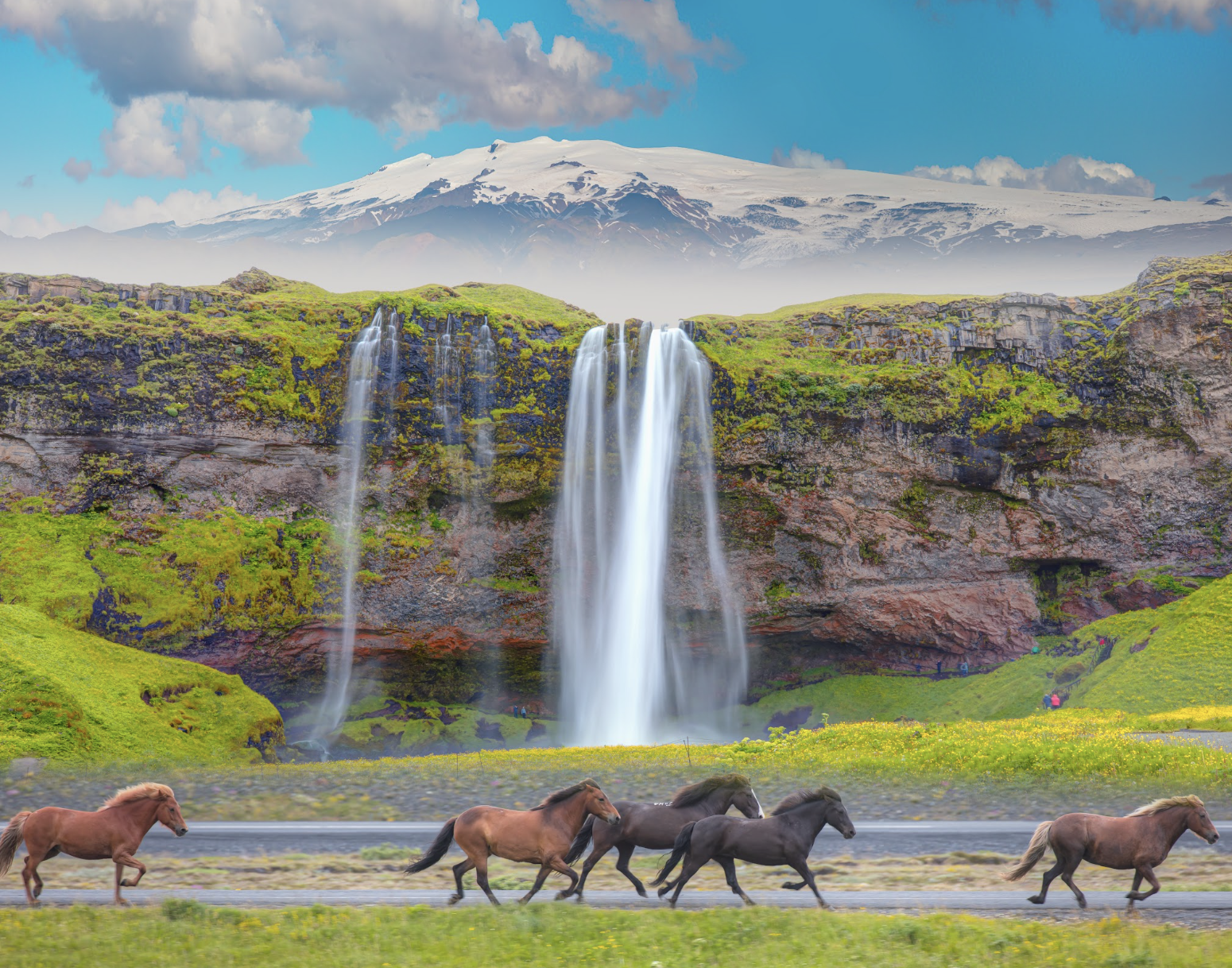
Their other claim to fame? Five gears instead of the usual three! In addition to walking, trotting, and cantering, many Icelandic horses have two extra gaits. The tölt is an exceptionally smooth, four-beat gait that lets riders glide along with hardly a bounce. It's so steady that riders can famously carry a full glass of beer without spilling a drop! The fifth gait, flying pace, is a spectacular sprint reaching nearly 30 mph.
Book a guided ride across lava fields or black-sand beaches. It's a chance to travel like a Viking on land.
Newfoundland has puffins, whales, icebergs, and some of Canada's friendliest people. But here's another reason to visit: its very own native pony breed!
The Newfoundland Pony is a distinct, officially recognized breed that developed over centuries on the island. Its ancestors arrived with European settlers, including hardy British and Irish ponies. Geographic isolation and generations of hauling wood, working farms and navigating rugged terrain helped shape these sturdy little survivors.
They're compact, shaggy and famously resilient, with thick coats, strong hooves and faces made for melting hearts.
Once numbering in the thousands, Newfoundland ponies nearly disappeared as machines replaced working animals. Three decades ago, they were designated a heritage animal, helping protect this endangered breed.
Arrange a visit to a participating farm or pony sanctuary, and your cute-animal encounter can also support an important conservation success story in the making.
Imagine driving through an English village and finding a pony casually strolling down the street as though it owns the place.
Which, in the New Forest National Park, it practically does.
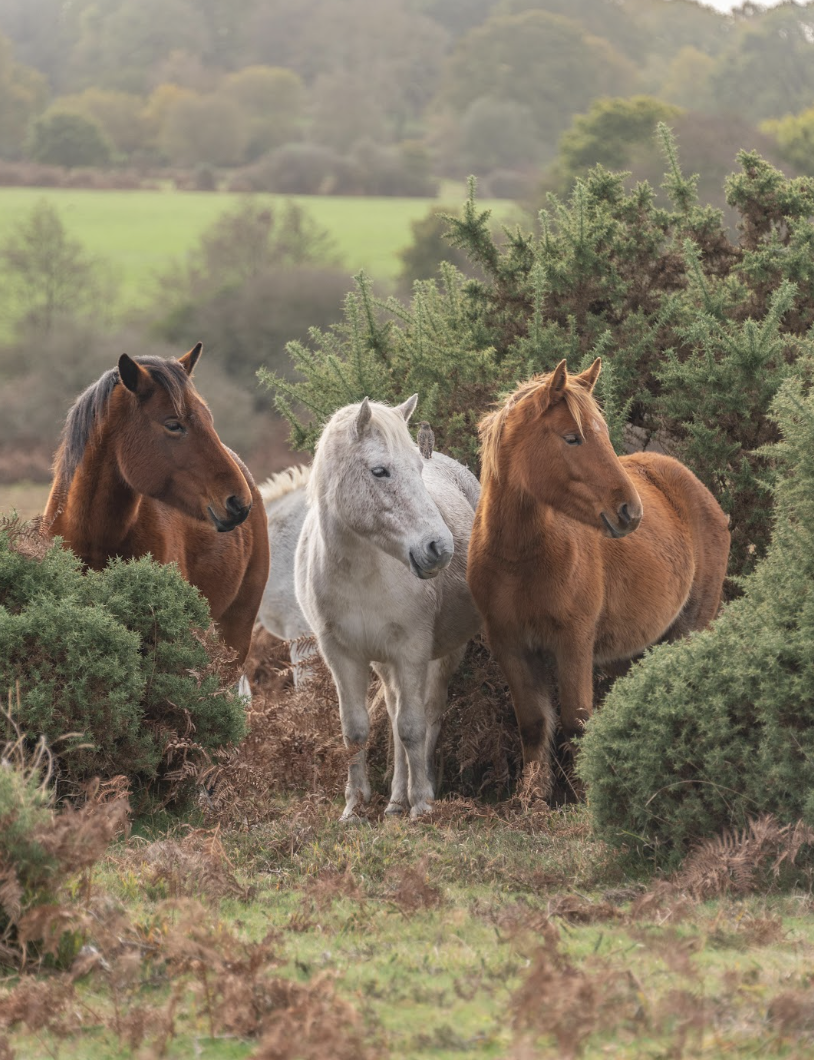
New Forest ponies are their own ancient native English breed, with ancestors roaming this landscape long before William the Conqueror declared it a royal hunting forest in 1079. Today, thousands of these free-roaming ponies wander through ancient woodlands, heathlands and villages, where traffic regularly stops for four-legged pedestrians.
Visit Brockenhurst or Burley for pony-spotting, especially in spring when adorable, wobbly-legged foals arrive.
These aren't petting-zoo ponies, though. Admire and photograph them, but don't feed or touch these wild creatures.
With brown coats, pale muzzles and distinctive light-colored rings around their eyes, Exmoor ponies look like somebody crossed a horse with a teddy bear.
Considered one of Britain's oldest native pony breeds, these hardy little animals have roamed the moorlands of southwest England for centuries, developing thick, weatherproof coats and distinctive hooded eyes to cope with the region's famously wet and windy weather.
Today, Exmoor ponies still roam the spectacular moorlands, where spring brings impossibly cute foals.
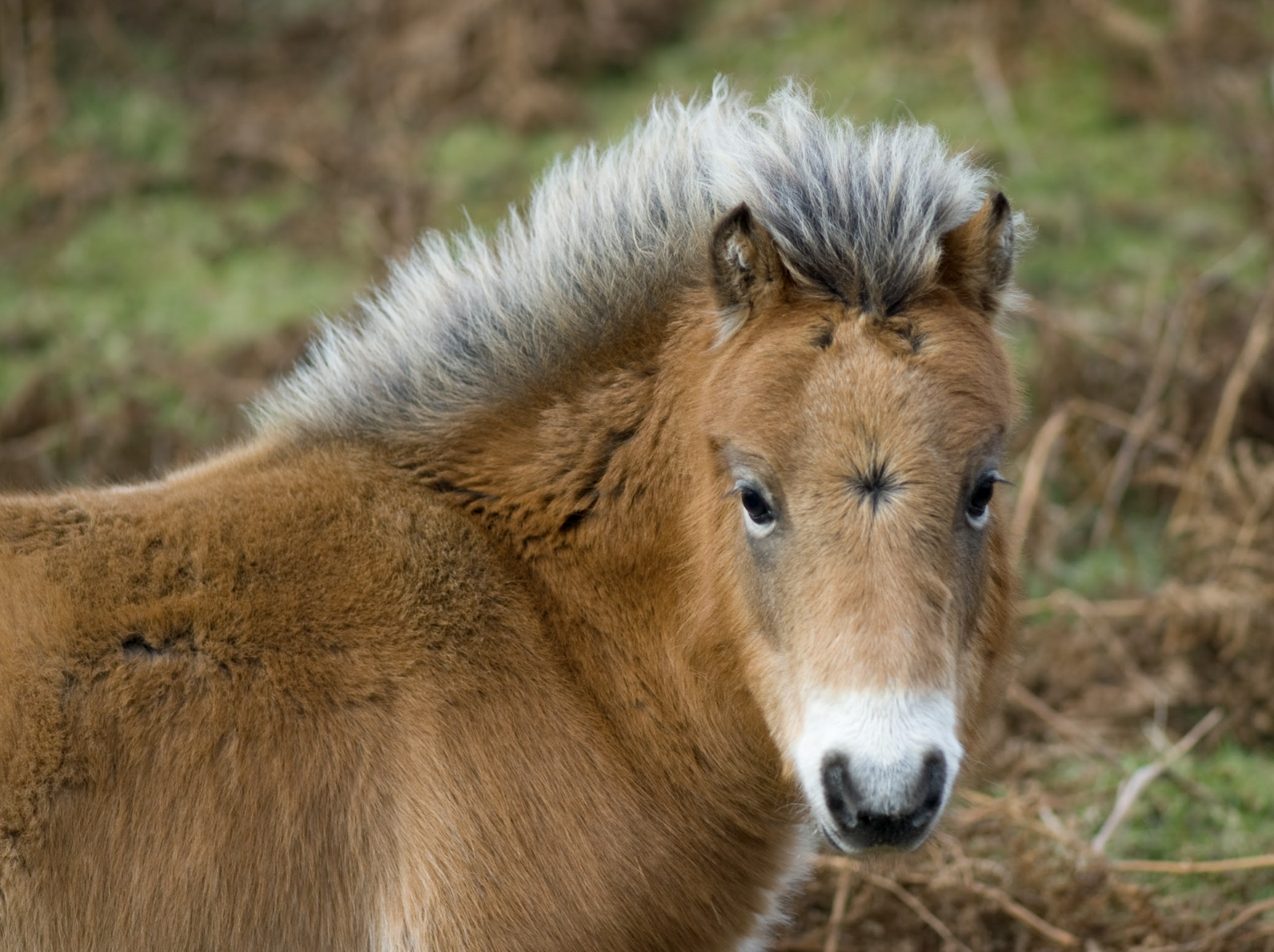
Explore the open countryside for sightings, or visit the Exmoor Pony Centre near Dulverton for an organized encounter with these charismatic creatures.
START YOUR TRIP!
Video story by Lynn Elmhirst, travel expert and journalist.
Images: Getty
All rights reserved. You are welcome to share this material from this page, but it may not be copied, re-published, broadcast, rewritten or redistributed.
by Lynn Elmhirst on 10/19/2026
The Northern Lights, or aurora borealis, are Mother Nature’s own light show, one of travel's most mesmerizing natural phenomena that nothing man-made can beat. Electrically charged particles from the sun interact with Earth's atmosphere, creating shimmering curtains of green, purple, pink and occasionally red that dance across the night sky.
Standing in the glow of this mystical Arctic phenomenon is on many a travel bucket list.
The bad news is there’s a specific time – and place – to see the Northern Lights. The season really starts close to fall, and lasts through the winter months, when Arctic travel is coldest and least accessible.
The good news? There are at least three ways position yourself for the celestial memories of a lifetime.
One of my favorite ways to experience the Northern Lights is from the deck of a ship, undiluted by city lights, with a panoramic view of the heavens.
Timing is everything. Most Arctic expedition cruises operate during the Arctic summer before the aurora get going. There’s a sweet spot: end of season September departures get you the tail end of nicer weather but still a good chance of Northern Lights.
I shot the top video on an expedition cruise aboard Seabourn Venture, where everyone - including the captain and crew! – were surprised when the Northern Lights showed up in August!
There are also dedicated winter voyages along Norway's spectacular coastline.
Norway’s coastal cruise line, Hurtigruten, offers a Northern Lights Promise on qualifying coastal voyages of 11 days or longer: if the aurora doesn't appear, guests receive a complimentary return voyage, subject to conditions.
Its former sister company, HX Expeditions (formerly Hurtigruten Expeditions), has a separate Northern Lights Promise on qualifying Arctic expedition voyages, offering future cruise credit if the lights don't make an officially recorded appearance.
No one can guarantee Mother Nature will perform on demand, but Arctic sailings – especially in the right time of the year! – can get you closest to an intense aurora experience at sea.
There's a new way to chase the Northern Lights: by train! Norway and Sweden are putting a fresh spin on the romance of rail travel with journeys into prime aurora-viewing territory.
In Norway, the Northern Lights Train departs from Narvik on an evening excursion along the historic Ofoten Railway, one of Europe's most spectacular northern rail routes. The train stops at remote Katterat, far from city lights, where passengers can watch for the aurora against a backdrop of Arctic wilderness.
In Sweden, rail operator Snälltåget is introducing a special Northern Lights journey in November 2026, traveling from Malmö via Stockholm, Kiruna and Abisko to Narvik in Norway. The multi-day adventure combines overnight rail travel with time to explore the Arctic.
And if you can't choose between ships and trains, Hurtigruten's Follow the Northern Lights itinerary combines scenic rail journeys, a Norwegian coastal cruise and even a night in a glass igloo.
It's an appealing twist on an old-fashioned journey: let the train take the strain while Mother Nature provides the entertainment.
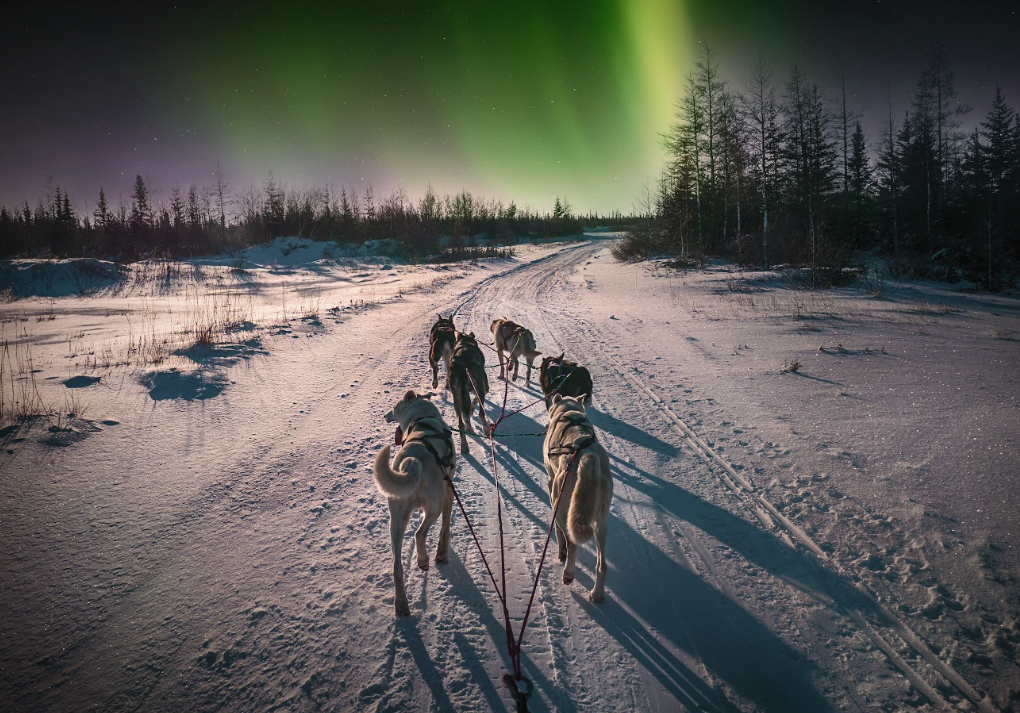
Prefer to keep your feet on terra firma? These destinations combine excellent aurora-viewing opportunities with unforgettable winter adventures.
Tromsø, Norway: The self-styled gateway to the Arctic offers Northern Lights excursions, reindeer experiences and dramatic fjord scenery.
Finnish Lapland: Why stand outside shivering when you could watch the heavens from a heated, glass-roofed igloo? Add husky sledding and snowy forests for a winter wonderland.
Iceland:Waterfalls, glaciers, geothermal lagoons and volcanic landscapes provide extraordinary foregrounds for aurora photography. Escape Reykjavík's city lights for better views.
Yukon, Canada, and Alaska, U.S.A: Close to home, both these destinations lie beneath the auroral zone and are celebrated for Northern Lights viewing, with wilderness lodges, dog sledding and guided nighttime excursions.
My advice? Book several nights between September and March – not just a quick weekend thinking the Northern Lights show up every night.
Choose accommodations with aurora wake-up calls, and don't make the lights your only reason to travel. After all, even when the sky doesn't cooperate, an Arctic adventure is one of the thrills of a lifetime.
START YOUR TRIP!
Story and top video: Lynn Elmhirst, cruise/ travel expert and journalist
Images: Getty
All rights reserved. You are welcome to share this material from this page, but it may not be copied, re-published, broadcast, rewritten or redistributed.
by Lynn Elmhirst on 10/08/2026
Take a video tour of the new cruise ship – the first of a whole new cruise line - that’s based on a premise you might find surprising. It means you can’t book a single room on this ship!
Transcend Cruises launched in 2026 with a very different idea: charter-only river cruises in Europe.
If you thought that chartering a river cruise ship would be just for company conferences, think again.
Here are some groups that travel advisors have already booked in Transcend’s inaugural year:
And what exactly does charter only mean when it comes to a river cruise ship?
No single staterooms available. No published itineraries.
It’s a ‘build your own’ river cruise. Surrounded only by the people you want to travel with, on an itinerary of your choice. With shipboard and shore experiences you design for your group’s interests – supported by the cruise line’s team of onboard and land experts who can help you craft the perfect program, just for your group.
You pick the ports of call along the river where you want to visit. Or use the ship as a literal floating boutique hotel and stay in one place for your whole booking (think business conference, yes, but also for a festival or a sporting event!)
Transcend’s one-of-a-kind design allows it to be reconfigured for 30 to 120 guests.
Plus there are innovations and technology I’ve never seen before on any river cruise ship that give groups so many options to gather all together or in breakout groups indoors and outdoors. To dine, socialize, relax,
Would you charter a whole river ship for your next big event?
Watch the video to tour the high-concept design, technology and shapeshifting features of this brand-new, charter-only, European cruise ship.
START YOUR TRIP!
Video and story by: Lynn Elmhirst, cruise/ travel journalist and expert.
All rights reserved. You are welcome to share this material from this page, but it may not be copied, re-published, broadcast, rewritten or redistributed.
by Lynn Elmhirst on 10/08/2026
A new generation of Caribbean resorts is delving deep — sometimes literally — into the nature, culture and traditions of their destinations to go far beyond the beach and offer experiences that truly deliver on the promise of ‘a sense of place.’
Three new and returning resort experiences in Mexico, The Bahamas and Saint Lucia illustrate the shift towards hyper-local coastal resorts. They’re answering the call from visitors for experiences so rooted in their destination they couldn’t be duplicated anywhere else.
Here are some of our favorites:
Fairmont Mayakoba on Mexico’s Riviera Maya holds an annual concert in a hall millions of years in the making.
Symphony in a Cenote takes just 50 resort guests into the jungle for an intimate orchestral performance inside a natural limestone cenote.
Cenotes are one of the defining geological features of the Yucatán Peninsula, formed when limestone collapses to expose groundwater and vast underground river systems. They also have profound cultural significance: to the ancient Maya, cenotes were sacred places and, in some traditions, portals to the underworld.
At dusk, guests are taken to a cavern of limestone, stalactites and crystal-clear water, and served champagne and canapés in this other-worldly setting. Musicians perform, with the cenote’s natural acoustics making the occasion like no other concert you’ve ever experienced.
Even without the Symphony in a Cenote, nature weaves itself into the Fairmont Mayakoba’s lifestyle. The resort is a luxury hideaway in nearly 600 acres of tropical forest, mangroves and waterways near Playa del Carmen.
Atlantis Paradise Island in The Bahamas has introduced a Baby Sea Turtle Release program. It invites guests to participate in the wondrous natural event of the release of newly hatched green sea turtles.
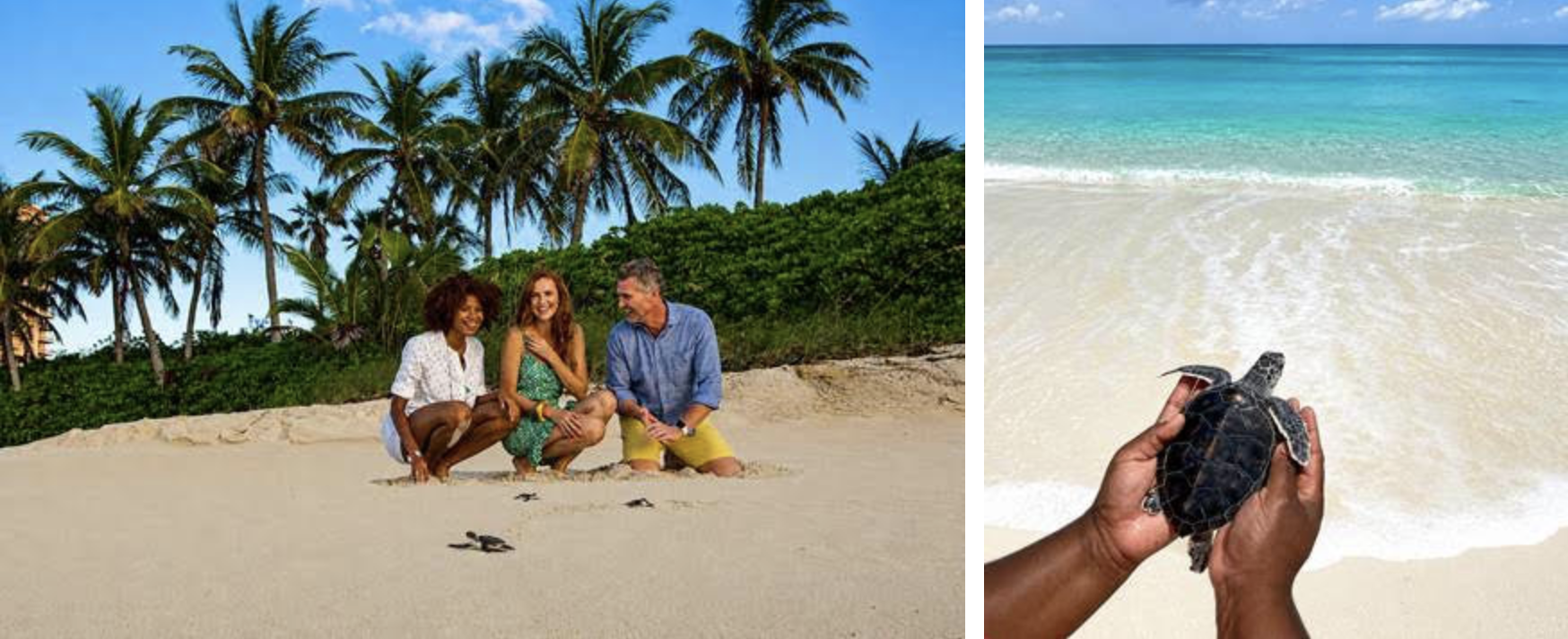
Participants first visit Atlantis’ Royal Fish Hospital to learn about green sea turtles, their habitat and conservation before heading to the beach at sunset.
Each participant releases a baby green sea turtle, watching it make its way down what Atlantis calls its “Sea Turtle Highway” toward the Atlantic Ocean.
The catch is that the exact timing is hard to predict. In theory it’s at the end of September, but the experience happens only when nests actually hatch.
Atlantis may be famous for its enormous Aquaventure water park, marine habitats and sprawling collection of hotels, restaurants and entertainment, but this is a very different kind of water attraction: small, seasonal, unpredictable and connected directly to the marine environment surrounding the resort.
Meanwhile, Secrets St. Lucia Resort & Spa marked its first anniversary in September, 2026 by turning the spotlight onto its home island.
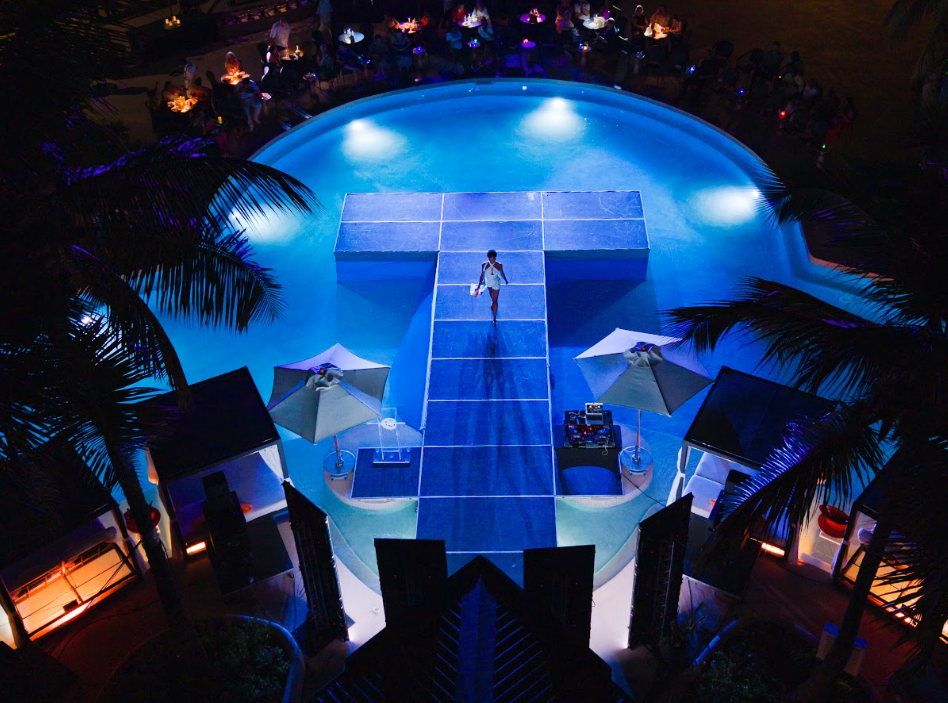
Its Carnival of the Senses transformed the resort’s pool area into an immersion in island culture, with Saint Lucian food, music, traditional dance and heritage displays, plus a pool runway presentation featuring local fashion designers.
The celebration is an interesting expression of how the relatively new resort is positioning itself within the destination.
Secrets St. Lucia is the island’s largest adults-only all-inclusive, with 355 rooms, nine restaurants, seven bars and lounges, three pools and a spa. Every ground-floor accommodation has either swim-out access or a private plunge pool, and the beachfront property is within easy reach of Pigeon Island, Rodney Bay and the famously lively Gros Islet Friday Night Jump-Up.
The resort has also established a partnership with the Saint Lucia Kings professional cricket team — another connection to an important piece of contemporary Caribbean culture.
If you are among the growing number of travelers who is looking for more from a Caribbean vacation than pool, beach and bar, hyper-local experiences like these can inspire your next tropical vacation – and creatively connect you to the destination like you’ve never experienced before.
START YOUR TRIP!
Images courtesy of their respective resort/ resort companies
Top: Fairmont Mayakoba’s Symphony in a Cenote
All rights reserved. You are welcome to share this material from this page, but it may not be copied, re-published, broadcast, rewritten or redistributed.
by Lynn Elmhirst on 10/08/2026
 Shawna Schrank
Sign up for our newsletter to learn about the latest product news and deals. Also receive exclusive offers, contest details and giveaways.